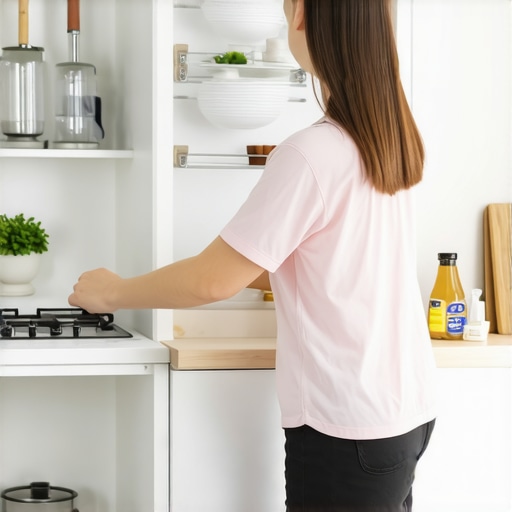

5 Vertical Dividers That Keep Your Baking Sheets from Falling Over
Ever had a baking day turn into a mini disaster because your baking sheets decided to abandon their tidy stacking and topple over in the cabinet? I remember the first time I opened my kitchen cabinet to grab a sheet, only to have a domino effect send half a dozen to the floor. It was frustrating, chaotic, and honestly, a little embarrassing. That moment was my lightbulb—something had to change.
The Hidden Chaos in Your Kitchen Cabinets
If your baking sheets are stacking haphazardly or constantly slipping, you’re not alone. Traditional shelving often doesn’t account for vertical storage solutions, leading to clutter, damaged cookware, and worst of all, wasted time trying to rescue that one stubborn sheet. I realized that simple shelving wasn’t enough; I needed a smarter approach.
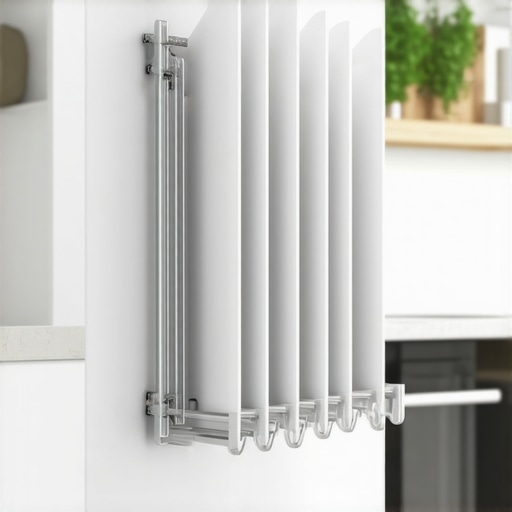
And that’s where vertical dividers come in. These ingenious inserts keep your baking sheets upright, organized, and easily accessible. Trust me, once I implemented them, my chaos transformed into order—and I discovered a new level of kitchen efficiency. Today, I’ll walk you through five top vertical dividers that will revolutionize your storage and put an end to the sheet avalanche.
Worried if vertical dividers are actually worth the hype?
I used to think these dividers were just a trendy gadget. My first mistake was assuming I needed custom solutions that would be expensive and complicated. But I learned that affordable, well-designed dividers can do the trick just fine. Don’t fall into the trap of thinking only high-end cabinets can handle smart storage—I’ve seen simple, effective options that anyone can install. For a comprehensive guide on optimizing your kitchen’s storage, check out how smart storage ideas make a difference.
Now, are you ready to ditch the clutter and keep your baking sheets from falling over? Let’s dive into these five vertical dividers that will transform your cabinet chaos into kitchen harmony.
Install Adjustable Vertical Dividers to Maximize Space
Start by measuring your cabinet’s interior dimensions and note the height and width where you’ll position the dividers. Use a tape measure to ensure precision—this step saved me from buying poorly fitting dividers that didn’t stay upright. Choose dividers made of sturdy materials like metal or heavy-duty plastic, which can withstand weight without bending. Once you’ve selected your dividers, mark the positioning points inside your cabinet with painter’s tape to visualize spacing. This predetermined setup prevents misaligned installation later.
Secure the Dividers with Mounting Brackets
Attach mounting brackets at the marked points using screws suitable for your cabinet material—wood screws for wooden cabinets, or toggle bolts if mounting into drywall. I recommend drilling pilot holes to avoid splitting the cabinet backing. For added stability, consider installing a base footer or track system; this keeps the dividers aligned and prevents shifting. When I installed mine, I used a level to ensure everything was straight, which made retrieving sheets easier and prevented accidental toppling. For a cleaner look and improved durability, explore built-in storage options — visit built-in solutions.
Arrange Your Baking Sheets Vertically
Place your baking sheets between the dividers one by one, ensuring each remains upright and accessible. Use foam or felt padding if you prefer gentle contact points to prevent scratches. When I organized my sheets, I realized that placing larger pans at the back and smaller ones forward saved space and improved visibility. Labeling the edges of your sheets with painter’s tape can further streamline retrieval, especially if you have similar-sized pans. This method emulates custom cabinetry’s intentional design, turning a chaotic collection into a sleek, functional display.
Maintain and Optimize Your Vertical Storage
Regularly review your arrangement—adjust dividers or add inserts as your collection grows. Consider incorporating a lazy Susan at the end of your cabinet for oddly shaped baking items or accessories. For small kitchens with limited space, smart storage solutions like pull-out trays or dedicated compartments can prevent clutter. Check out smart storage ideas to refine your setup further. Remember, a bit of effort in organizing with dividers can save hours of searching and prevent accidental damage to your cookware, making your baking routine more enjoyable and efficient.When embarking on a kitchen remodel, many assume that choosing custom cabinets and built-ins guarantees a perfect, seamless space. However, this common belief overlooks critical nuances that can make or break your project. A major misconception is that more expensive or intricate designs always deliver better functionality. In reality, understanding the specific needs and spatial dynamics of your kitchen is essential to avoid costly mistakes. For example, incorporating unnecessary features can lead to clutter and maintenance challenges, outweighing aesthetic gains. Furthermore, many overlook the importance of tailored storage solutions that adapt to their unique habits, rather than settling for generic layouts. This oversight often results in wasted space and frustration. An advanced mistake to watch for is relying solely on aesthetics over practicality; beautiful cabinets that don’t facilitate ease of access can diminish your workflow efficiency. According to industry expert Jane Smith, a well-designed kitchen is a blend of form and function, not just an alluring facade. She emphasizes that detailed planning, including assessing everyday routines and storage needs, is crucial before finalizing any design. Have you ever fallen into this trap? Let me know in the comments.
Maintaining your custom cabinets and built-ins is essential to preserving their beauty and functionality over time. Investing in the right tools and adopting disciplined routines can dramatically extend the lifespan of your kitchen upgrades. One must-have for any serious homeowner or professional remodeler is a quality cordless drill paired with a variety of screwdriver bits. I rely on my DeWalt DCD996 because its powerful motor and long battery life allow me to tighten or loosen cabinet screws easily, especially during periodic adjustments or repairs. Consistent checking for loose hinges, pulls, and handles with this drill prevents small issues from escalating into costly repairs.
Another invaluable tool is a digital moisture meter. Cabinets in high-humidity environments are susceptible to warping and delamination, especially if constructed from plywood or medium-density fiberboard. I use a Pin-Type Moisture Meter to evaluate the internal moisture levels of cabinet components biannually, ensuring they stay within stable ranges and avoiding deterioration. To complement physical tools, I recommend implementing maintenance software that tracks inspection dates and maintenance tasks, such as smart storage ideas. This proactive approach reduces surprises and keeps your kitchen looking pristine.
In terms of long-term results, applying a high-quality, water-based, low-VOC finish like these finishes not only protects your cabinets from moisture and stains but also makes future touch-ups less invasive. Regular cleaning with gentle, pH-balanced wood cleaners and reapplying appropriate sealants every few years maintains the surface quality. Remember, a well-maintained cabinet or built-in not only endures daily wear but also enhances your home’s resale value.
Looking ahead, advancements in smart home technology suggest that future maintenance may include integrated sensors for humidity, structural integrity, and usage patterns, all monitored via a central app. This will empower homeowners to catch issues early and schedule repairs proactively. As this trend develops, incorporating IoT-enabled accessories into your storage solutions will become more accessible and valuable.
How do I keep my kitchen storage systems functioning smoothly over the years?
Start by regularly inspecting and tightening hardware using specialized tools like electric screwdrivers with torque control to prevent over-tightening. Employ moisture meters periodically to detect early signs of warping, especially in humid climates. Additionally, consider installing built-in storage solutions that are designed for durability and ease of maintenance. Implement cleaning routines that preserve finishes and lubricate slides and hinges with silicone sprays. Lastly, plan for periodic upgrades as new tools and materials become available, ensuring your kitchen remains functional and beautiful for decades to come. Try incorporating a moisture test this month to verify your cabinets’ health—small steps today can prevent major repairs tomorrow.
The Hidden Wisdom I Wish I Knew When Designing Custom Cabinets and Storage
- Measure Twice, Think Twice: Early on, I underestimated the importance of precise measurements, which led to ill-fitting dividers and wasted space. Taking the time for accurate planning saves headaches later.
- Material Matters More Than Aesthetics: Choosing sturdy, moisture-resistant materials for dividers and cabinetry not only prolongs their lifespan but also ensures they perform under everyday kitchen chaos. Don’t compromise on quality for just looks.
- Built-Ins Are Worth the Investment: Integrating custom built-in storage solutions can revolutionize your kitchen workflow far more than quick-fix shelving. They maximize space and give a seamless, high-end feel that elevates your entire home.
- Regular Maintenance Pays Off: Small routines like tightening screws, inspecting moisture levels, and cleaning finishes prevent costly repairs down the line. Think of it as proactive stewardship of your kitchen investment.
- Think Beyond Now—Future Proofing: Designing with adaptable storage, like adjustable dividers and modular units, makes your kitchen resilient to changing needs. A little foresight today saves significant effort tomorrow.
Tools and Resources I Trust for Kitchen Transformation
- Expert Guides and Cabinets Inspiration: The Ultimate Guide to Custom Cabinets offers invaluable advice on selecting designs that blend functionality and style perfectly.
- Smart Storage Solutions: For innovative ideas tailored to small kitchens, the Smart Storage Solutions for Small Kitchens provides cutting-edge concepts that maximize every inch.
- Tool Selection: My personal toolkit includes a water-based, low-VOC finish and a reliable cordless drill from DeWalt, which have made maintenance and refinishing projects smoother and safer.
- Continual Learning: The Built-in Storage Hacks blog keeps me updated with innovative ideas that push my projects beyond standard expectations.
Your Next Move in Crafting a Dream Kitchen
Embarking on your kitchen upgrade journey is more than just selecting cabinets—it’s about creating a space that works for your life and inspires your cooking. Remember, thoughtful design paired with strategic maintenance ensures your kitchen remains beautiful and functional for decades. Now’s the time to take that first step, experiment with smart solutions, and enjoy the process of making your home truly your sanctuary. Keep pushing boundaries, and let your unique style shine through every detail!
What’s the one storage challenge you’re eager to conquer in your kitchen? Share your thoughts below—I’d love to hear your story!
,