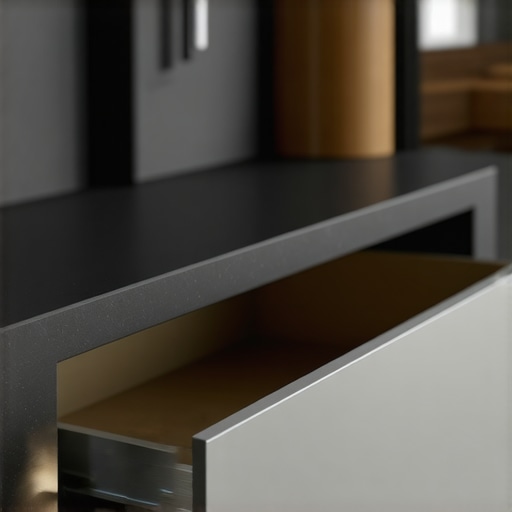
7 Soft-Close Drawer Slides That Won’t Fail Under Cast Iron
It was a typical Saturday morning when I leaned against my kitchen counter, clutching a steaming cup of coffee, only to hear an unsettling slam from the drawer nearby. My heart sank. That sound wasn’t just annoying—it was a glaring sign that my previous soft-close slides had finally given way under the weight of my beloved cast iron skillet collection. I realized then that, after all the effort and expense of my kitchen remodel, I was still battling faulty hardware that compromised both safety and style.
Why Choosing Reliable Drawer Slides Is a Bigger Deal Than You Think
When I first embarked on my kitchen upgrade, I assumed all soft-close drawer slides were created equal. Turns out, I was sorely mistaken. The wrong choice can lead to sagging, jamming, or worse—drawer failure that risks damaging your cabinets or injuring someone. Especially when supporting heavy items like cast iron cookware, investing in high-quality hardware isn’t just smart—it’s essential. Studies have shown that choosing durable, reliable hardware can extend the lifespan of your cabinets and save you money in the long run (Wood Magazine).
Ever Wondered if All These Fancy Slides Are Worth It?
I made the mistake early in my renovation of opting for the cheapest slides I could find. They snapped within a year—disappointing and frustrating. Since then, I’ve learned that not all soft-close slides are built to handle the weight and frequent use that a busy kitchen demands. Understanding the differences in design, materials, and weight ratings is crucial. So, if you’ve experienced the dreaded drawer sag or sudden slam, don’t worry—you’re not alone. Let’s explore how to select slides that truly stand the test of time and heavy usage, ensuring your kitchen remains both functional and beautiful.
Identify Your Load Requirements
Before purchasing, measure the weight of the items your drawers will support. For instance, when I upgraded my kitchen, I weighed my cast iron skillet collection and found that heavy-duty slides were necessary. Use a kitchen scale or refer to product specifications to ensure compatibility. Remember, choosing slides rated for at least 75 pounds can prevent sagging over time.
Choose the Right Material for Longevity
Opt for material options like stainless steel or heavy-gauge metal, which resist corrosion and wear. During my remodel, I selected steel slides with a nickel finish, which held up against moisture and frequent use. These materials make a noticeable difference in durability and smooth operation, especially in humid kitchens.
Consider the Extension and Accessibility
Full-extension slides allow you to access the entire contents of the drawer easily—crucial for efficient kitchen work. I installed full-extension slides for my spice drawers, which provided effortless access to everything stored at the back. When planning, verify the extension length matches your drawer depth for seamless operation.
Evaluate Soft-Closing Mechanisms
High-quality soft-close features prevent slamming and prolong hardware life. I found that investing in slides with soft-close dampers reduced noise and protected my cabinets from repetitive impact. Test the slides by gently closing; if they close smoothly without effort, they likely have effective dampers.
Prioritize Compatibility with Built Cabinets
Ensure the hardware you select aligns with your cabinet construction. For custom-built cabinets, like in my project, I checked the manufacturer’s specifications and confirmed the slides were compatible with the thickness and material. Some premium brands even offer customization options to match specific cabinet styles.
Install with Precision to Maximize Outcomes
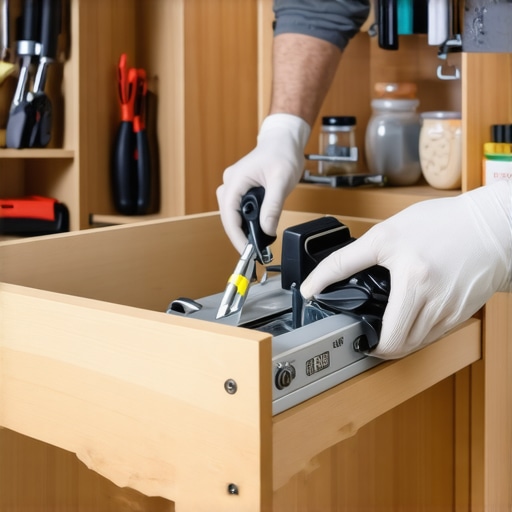
Proper alignment during installation is vital. For my heavy-duty drawers, I used a spirit level and measured carefully to prevent uneven opening or closing. Use appropriate tools, follow manufacturer instructions meticulously, and consider shimming the slides if necessary. Correct installation ensures longevity and smooth operation over years of use.
Maintain Your Hardware Regularly
Routine cleaning and lubrication extend the life of drawer slides. I applied a small amount of silicone spray to the tracks biannually, which kept the movement fluid. Check for signs of wear or debris, and replace slides if you notice difficulty in sliding or hardware failure.
By following these steps, you can ensure your drawers support heavy items safely and operate quietly for years. For tailored advice on fitting these options into your specific kitchen, consider reaching out to professionals via this contact page.
Many homeowners enter a kitchen renovation with a set of assumptions that can backfire if not challenged. One widespread misconception is that standard off-the-shelf cabinets and storage solutions will suffice for unique needs. However, this approach often leads to wasted space and frustration, because modular or generic options rarely align with your specific layout or lifestyle. Embracing **custom cabinets** can be a game-changer, providing tailored solutions that optimize every inch, as discussed in [this comprehensive guide](https://artisancabinetworkz.com/the-ultimate-guide-to-custom-cabinets-for-a-stylish-kitchen-overhaul).
Are Built-Ins Always Worth the Extra Cost? Here’s What You Might Miss
Keeping your meticulously remodeled kitchen in top shape requires the right tools and a disciplined maintenance routine. Over the years, I’ve developed a set of specific equipment and methods that help me ensure everything from custom cabinets to storage solutions continues to perform flawlessly. Investing in high-quality hardware cleaners like silicone sprays for drawer slides, as well as precision tools such as bit driver sets, has been a game-changer. These allow me to quickly address minor issues before they escalate, saving me time and money in the long run.
My Go-To Maintenance Tools for Kitchen Longevity
The first tool I swear by is a magnetic hex key set, which makes adjusting soft-close hinges and tightening cabinet hardware effortless. I also rely heavily on a digital caliper to measure precise gap dimensions during adjustments, preventing alignment issues that can cause doors to misfit over time. For cleaning, I prefer a microfiber cloth combined with a gentle, pH-neutral cleaner like Simple Green to keep surfaces free of grime without damaging delicate finishes.
Another essential piece is a set of small scraper tools. They help me remove stubborn debris from tracks and hinges without risking damage, ensuring smooth operation. For more advanced maintenance, I use a pneumatic air compressor to blow out dust from tight spots—particularly effective in ventilation areas behind built-in appliances or in concealed cabinet corners. Regularly scheduling these inspections and cleanings, guided by these tools, keeps my kitchen functioning as intended.
The Future of Kitchen Maintenance
Advancements in smart home technology are increasingly integrating sensors capable of monitoring hardware wear and alerting homeowners before issues become major problems. Imagine receiving a notification when your drawer slides need lubrication or hinge adjustments—such technology could revolutionize how we manage home maintenance, making it more proactive than reactive. Companies are already experimenting with IoT-enabled hardware that self-diagnoses, and I predict these innovations will become standard practice in the next decade.
How do I stay on top of ongoing kitchen upkeep?
Developing a regular maintenance schedule is key. I set reminders every three to six months to inspect sliding mechanisms, hinges, and seals on built-in appliances. For example, lubricating drawer slides with a silicone spray significantly prolongs their lifespan and keeps everything operating quietly (Wood Magazine). I also make a point to check for loose screws or misalignments—these simple steps prevent costly repairs later on. I highly recommend trying out a comprehensive toolkit like a precision screwdriver set combined with maintenance lubricants—it’s an investment that pays off in peace of mind. Want to explore more advanced tips? Reach out through this contact page and start maintaining your kitchen with confidence.
Reflecting on my kitchen journey, the biggest lesson I learned was that cutting corners on hardware can undo years of thoughtful design. Investing in quality, heavy-duty drawer slides and hinges might seem costly upfront, but their reliability pays dividends in daily performance and safety. Remember, your kitchen sees constant use—so choosing hardware that supports your lifestyle isn’t just smart; it’s essential for enduring beauty and function.
Lessons From My Overlooked Hardware Failures
- Skip the cheap slides at your peril—early replacements can turn into costly headaches, as I experienced firsthand. Opting for superior materials like stainless steel and design features like full extension unlocks accessible and durable storage, saving time and frustration over the years.
- Understanding load ratings made me realize that supporting heavy cast iron cookware requires slides rated well above the basics. This eye-opening lesson ensured my drawers stay supportive, even after years of heavy usage, and prevented sagging or sticking.
- Meticulous installation and periodic maintenance are the bridges between good hardware and lifelong performance. Using precise tools like digital calipers and silicone lubricants keeps everything operating smoothly, avoiding misalignments or squeaks that diminish user experience.
- Technology is quietly advancing—smart sensors and self-diagnosing hardware may revolutionize future kitchen maintenance. Keeping an eye on innovations can help you stay ahead, ensuring your investment lasts, and your space remains functionally flawless.
Tools and Secrets That Transformed My Maintenance Routine
- A magnetic hex key set became my go-to for effortless adjustments—no more struggling with tiny screws or misaligned hinges. Paired with a microfiber cloth and a gentle cleaner, it’s perfect for routine care that preserves finish and function.
- Blowing out dust and debris with a pneumatic air compressor prevents buildup that causes sticking or noise, especially in concealed or hard-to-reach spots. This proactive step extends hardware lifespan remarkably.
- Monitoring signs of wear early through visual checks or simple tests allows me to replace or lubricate before full failure, avoiding surprises at the worst moment.
Thinking Ahead with Clever Storage and Hardware Planning
Designing with future maintenance in mind—like accessible screws and modular components—saves time and effort down the line. Combining high-quality hardware with tailored storage solutions—see this guide—creates a kitchen that’s not only beautiful but intuitive to care for. When considering upgrades or repairs, consulting expert advice can be invaluable.
Embrace the Future of Kitchen Hardware Maintenance
As technology evolves, so will the ease of maintaining a high-performing kitchen. From IoT-enabled slides to smart diagnostic systems, staying informed ensures your fixtures support you, not the other way around. Transitioning from reactive fixes to proactive care transforms your space into a resilient, long-lasting haven.
What’s Your Heavy-Use Hardware Experience?
Have you faced challenges with supporting heavy kitchenware or maintaining drawer slides over time? Share your stories below—your insights might help others avoid costly mistakes or discover new solutions. And if you’re ready to elevate your kitchen’s hardware game, don’t hesitate to reach out through this contact page. Remember, a well-chosen hardware setup is the backbone of a kitchen built to last!