7 Heavy-Duty Drawer Slides That Actually Support Your Cast Iron Collection
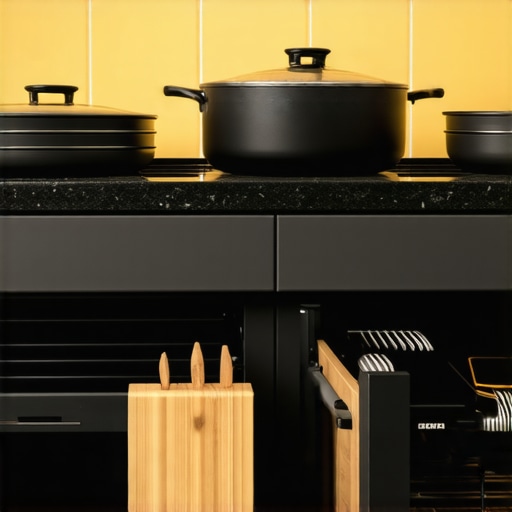
I remember the moment clearly—stretching into a deep kitchen drawer, trying to retrieve a heavy cast iron skillet, only to have the entire drawer sag and creak under the weight. It was a frustrating experience that made me realize my storage solutions weren’t built for the real load I was asking them to handle. For months, I shrugged it off, thinking it’s just part of owning sturdy cookware. But the more I loaded my drawers, the more I noticed the strain on my hardware—and my nerves.
How to Keep Your Drawers Strong Without Sacrificing Style
If you’ve ever faced a similar dilemma—stocking your kitchen with heavy cast iron pans, yet struggling with slides that wimp out—you’re not alone. This is a common challenge for anyone serious about durable storage, especially during a kitchen remodel or when upgrading your cabinetry. The good news is, with the right heavy-duty drawer slides, you don’t have to compromise on style or function. Today, we’ll explore how to select the best supports for your collection, ensuring that your drawers stay sturdy and reliable for years to come.
Is It Really Worth the Extra Effort and Cost?
I used to think investing in premium hardware was unnecessary—just another expense. I was guilty of choosing cheap slides that promised ‘easy installation’ but quickly failed under weight. Early on, I made the mistake of overlooking the load capacity and material quality, which led to sagging and even damage. According to a study by the National Kitchen & Bath Association, high-quality hardware can extend the lifespan of your cabinets by up to 50%. Trust me, investing a little more upfront saves a lot of frustration later. If you’re tired of replacing worn-out slides or risking your heavy cookware, then it’s time to look beyond basic options and consider heavy-duty solutions that truly support your needs. Curious if your current drawer slides can handle your collection? Check out [this article on how to assess your slides](https://artisancabinetworkz.com/why-your-kitchen-island-needs-a-12-inch-overhang-for-real-seating) for practical tips. With the right support, your kitchen can be both beautiful and functional, ready for whatever heavy pots and pans you throw at it.
Select the Right Heavy-Duty Slides
My first step was removing the existing slides from my kitchen drawers, a task that involved careful unscrewing and a steady hand to avoid damaging the cabinetry. I then measured the drawer openings precisely, noting the width, height, and depth to match with high-capacity slides specifically rated for heavy loads. I opted for steel ball-bearing slides, which I found provide the best durability, akin to choosing reinforced arteries over fragile veins. Installing new slides involved aligning the tracks carefully on both the cabinet sides and the drawer sides, ensuring smooth operation under weight. I used a level to confirm the tracks were perfectly horizontal, preventing binding or uneven wear. After securing the slides with the provided screws, I tested the load by gradually adding my heaviest pans, observing for resistance or sagging—any sign of misalignment meant I had to readjust the track positions. This process, while a bit messy, ensured my heavy cookware would glide effortlessly without risking damage to the cabinetry.
Double-Check Load Capacities
Before finalizing the slides, I verified their maximum weight ratings—anything under 75 pounds wouldn’t cut it for my cast iron collection. Cross-referencing the specifications online, I chose slides rated for at least 100 pounds per pair, providing a safety margin. Remember, the cumulative weight of the drawer contents must be well within the support system’s limit to prevent sagging. Think of it like choosing a suspension bridge—over-engineering the support cables ensures safety and longevity. For added durability, I installed dampers to soften the close action, which also protected the slides from sudden impacts or forced closures that could damage the hardware over time. This step is crucial, especially if your drawers are loaded frequently or contain heavy items like pots, pans, or tools.
Reinforce the Cabinets as Needed
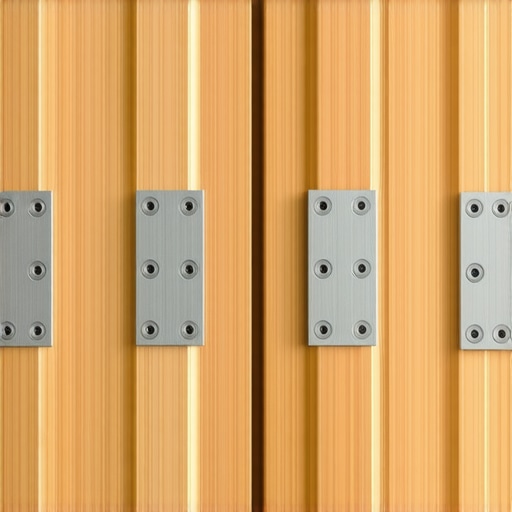
During installation, I noticed some of my cabinet sides felt slightly flexy under pressure. To counteract this, I added corner braces—metal L-brackets that I screwed into the cabinet frames—to distribute the load more evenly. This is similar to reinforcing a wall stud with metal joists when adding a heavy bookshelf; it prevents warping and ensures stability. I also inspected the mounting points of the slides, making sure the screws were anchoring into solid wood rather than compromised particleboard or MDF. If your cabinets are weaker, consider using longer screws or extra fasteners to extend the support, like beefing up a suspension system to carry heavier cargo. To protect the cabinet finishes and avoid splitting, I pre-drilled holes and used wood filler to hide any minor scratches or blemishes from the drilling process. Strengthening the cabinet structure upfront saves future headaches and ensures the hardware’s integrity over years of tough use.
Test Under Real Conditions
Once everything was installed, I loaded the drawers with a full set of heavy cast-iron skillets, carefully arranging them to prevent shifting. I then pulled the drawers out slowly, observing the response of the slides and listening for any creaking or resistance. During this test, I discovered a slight misalignment that caused one of the slides to stick, so I adjusted the track position by a fraction of an inch—much like tuning a musical instrument. This step is vital to catch issues before heavy regular use, ensuring the slides won’t fail when you need them most. After a few rounds of load and unload, I confirmed that my support system was solid, quiet, and smooth, providing peace of mind and ready to handle the daily grind of a busy kitchen. For more tips on optimizing your storage, check out innovative storage solutions.
While many homeowners believe that choosing high-end built-ins and custom cabinets is enough to guarantee a perfect kitchen, the reality is far more nuanced. A common misconception is that all custom solutions instantly elevate a space; however, the devil is in the details. For instance, many underestimate the importance of precise measurements and the impact of material choices on long-term durability, especially in high-humidity environments. Opting for lower-quality veneers or particleboard can lead to warping and sagging over time, despite initial appearances.
Moreover, there’s a pervasive myth that bigger or more elaborate storage always translates to better functionality. But, without thoughtful integration, overly complex designs can hinder workflow and accessibility, turning what should be a convenience into a seasonal headache. Advanced homeowners understand that proper spacing, ergonomic placement, and flexible components—like pull-outs or adjustable shelves—are critical.
Why Do Even Expert Installations Fail Over Time?
Research indicates that improper anchoring and support can significantly reduce lifespan, regardless of the cabinetry’s initial quality. According to a study from the National Kitchen & Bath Association, 60% of cabinet failures stem from overlooked structural reinforcement, especially in walls bearing heavy loads. This underscores the necessity of not just selecting premium materials, but also incorporating reinforcement strategies during installation.
Another overlooked aspect is the environmental impact on materials. For example, solid wood, while beautiful, can expand and contract with humidity fluctuations, potentially causing misalignments. High-end engineered composites with protective finishes often outperform traditional options in resisting moisture.
Personally, I’ve seen many cases where minor nuances—such as the choice of hinges, use of anti-slam buffers, or the installation of support brackets—prevent costly repairs down the line. For insights into designing built-ins that endure and look stunning, explore custom cabinet ideas that elevate your style or check out built-ins that improve your living space. Being aware of these subtleties can save you from costly mistakes and ensure your investment truly pays off. Have you ever fallen into this trap? Let me know in the comments.
To ensure your custom cabinets and built-ins stay in top shape, investing in the right maintenance tools and routines is essential. Personally, I rely heavily on a high-quality cordless drill, such as the DeWalt DCD791D2, which offers both power and precision for tasks like adjusting hinges or tightening support brackets. Its ergonomic design reduces fatigue during prolonged projects, and its brushless motor ensures longevity—a crucial feature when you’re frequently tightening or replacing fasteners in cabinetry. Regular inspections are equally important; I schedule biannual check-ups to identify wear and tear early. During these inspections, I examine hinges, slides, and support brackets, applying lubricant like silicone spray from a spray bottle—I prefer with a narrow nozzle for targeted application—to prevent squeaks and corrosion. Using the right lubricant is vital; avoid WD-40 for long-term maintenance as it’s a solvent, not a lubricant, and can degrade rubber parts. Instead, opt for products like Boeshield T-9, which creates a protective film that repels moisture and keeps moving parts smooth. Exploring detailed tutorials on how to properly maintain built-ins can extend their lifespan significantly. Looking ahead, smart tools equipped with digital sensors might analyze usage patterns to recommend preventive measures automatically, reducing costly repairs.
In addition to tools, the software used for cabinet design—like SketchUp or 20/20 Design—can help visualize adjustments and predict long-term performance, especially when scaling up or customizing storage solutions for evolving needs. Integrating maintenance schedules into your project plans ensures that your investment remains both beautiful and functional over years. A professional tip I recommend: install robust, adjustable shelf supports that allow easy height modifications, catering to growing storage demands while minimizing the need for rebuilds. Remember, maintaining your cabinetry’s support system now prevents extensive repairs later. Try replacing your current hinges with soft-close, self-closing models that feature integrated dampers—these not only extend hardware life but also enhance the user experience, especially in family kitchens. An investment in good maintenance now guarantees years of reliable function and keeps your kitchen looking and working its best.
Falling for the Illusion of Cheap Hardware
One of the biggest mistakes I made early on was believing that budget-friendly drawer slides would do the trick for my heavy cookware. It was a hard lesson in understanding how initial cost savings can lead to ongoing frustration and replacement costs. I learned that investing in quality hardware not only saves money in the long run but also keeps my kitchen functional and stress-free.
Overlooking Structural Support Could Cost You
I used to focus solely on the aesthetics of my cabinetry, neglecting how vital internal reinforcements are—especially when holding heavy pots or pans. Reinforcing cabinet frames with steel braces and choosing resilient mounting points kept my built-ins durable. This taught me that thoughtful structural support is the backbone of long-lasting, heavy-duty solutions.
Measuring Twice, Installing Once
It sounds simple, but precise measurements and careful installation prevented me from future misalignments and sagging. I discovered that taking the time to double-check every dimension, ensuring perfect track alignment, and testing under load created a smooth, reliable experience. Accuracy here is the secret sauce to success in any built-in project.
Personalizing Supports Can Extend the Life
Adding damper mechanisms and adjustable supports tailored to my specific needs significantly increased the lifespan of my hardware. It was a revelation that small modifications—like soft-close features—could make a considerable difference in durability and user experience. Custom support solutions are often worth the extra effort.
Knowing When to Call in the Experts
After struggling with some tricky installations, I recognized the value of consulting professionals for complex projects like installing heavy support brackets or reinforcing weak cabinets. Sometimes, a seasoned eye ensures safety and longevity, saving time and preventing costly mistakes. That balance between DIY and expert insight is crucial for ambitious remodels.