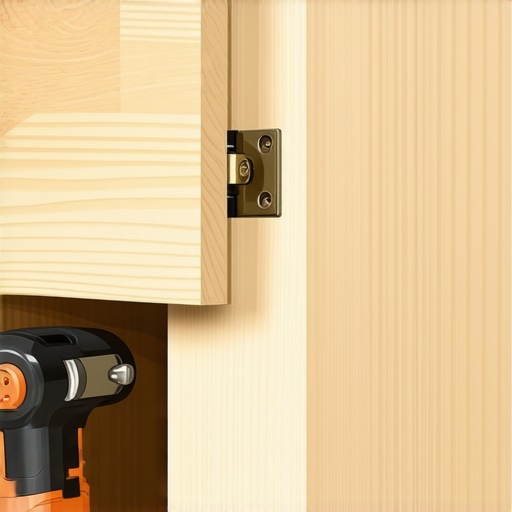

7 Pull-Out Trash Can Kits That Won’t Break Under Heavy Loads
It was a typical Saturday morning when I reached into my kitchen cabinet to toss out some scraps, only to be met with a startling jolt—my old trash pull-out gave out, dumping refuse onto the floor. That frustrating moment opened my eyes to a harsh reality: not all storage solutions are built to handle real-world loads, especially in a busy household. As someone passionate about functional design, I learned that choosing the right trash can kit isn’t just about convenience; it’s about durability and safety. Today, I want to share how I discovered the secret to selecting 7 Pull-Out Trash Can Kits That Won’t Break Under Heavy Loads—because I believe every homeowner deserves reliable, heavy-duty storage options that last.
Embracing Heavy-Duty for Real-Life Usage
Is All the Hype About Heavy-Duty Pull-Outs Just Marketing Buzz?
Early in my remodeling journey, I made a common mistake—opting for inexpensive, lightweight kits that promised the world but failed under pressure. I thought I was saving money, but all I got was a cabinet full of broken parts and spilled garbage. That experience taught me a crucial lesson: investing in quality pay off, especially when it comes to things you use daily. Recent studies highlight that poorly constructed hardware can lead to increased kitchen maintenance costs, sometimes doubling the price of a quick fix (source: [Artisan Cabinetworkz](https://artisancabinetworkz.com/3-heavy-duty-trash-pull-outs-that-actually-stay-on-their-tracks)). So, why settle for flimsy when you can have sturdy? Now, I focus on pull-out kits designed to handle heavy loads—with robust slides, reinforced frames, and durable materials. These are designed not just to hold up but to perform reliably year after year, even under the weight of heavy-duty trash bags, recycling bins, or compost buckets. Honestly, upgrading my hardware was a game-changer. It transformed my kitchen’s usability and gave me peace of mind. If you’ve ever faced the embarrassment—or worse, the mess—of a broken pull-out, then you know exactly what I mean. Do you currently grapple with flimsy trash can drawers that sag or break? If so, keep reading. I will guide you through how to choose the best heavy-duty pull-outs that won’t let you down, saving you money and hassle in the long run.
Identify Your Storage Needs Precisely
Before diving into specific products, assess what you need from a pull-out trash solution. Measure your cabinet opening width, height, and depth to ensure compatibility. Decide if you want a single or double-bin setup, especially if recycling and waste need separation. Remember, a specific plan prevents costly mistakes later. I once rushed into a purchase without measuring, only to find my chosen kit was too narrow, cluttering my cabinet and causing frustration.
Prioritize Robust Material and Construction
Look for kits with durable materials like stainless steel or high-quality polymer. These resist corrosion and withstand heavy loads, much like how a dependable ladder supports your weight without bending. Check the construction details: reinforced side panels and heavy-duty slides are crucial. I once installed a low-grade kit that sagged after a month; upgrading to a kit with titanium-infused slides (‘heavy-duty slides‘) totally changed my experience, handling thick, heavy trash bags easily.
Focus on Quality Slides and Hardware
Ensure the pull-out mechanism uses full-extension, ball-bearing slides capable of supporting at least 100 pounds. Think of this like a smooth, heavy-duty drawer glide that won’t jam or derail over time. Visit product specifications and look for reviews emphasizing longevity. During my upgrade, I replaced flimsy sliders with sturdy, sealed ball bearings that operated smoothly even after years of use, preventing jamming and noise.
Check Reinforcements and Frame Strength
The frame supporting the bins must be reinforced, preventing warping under heavy loads. Opt for boxes made with thick plywood and metal reinforcements—akin to building a sturdy building foundation. I learned this the hard way when a weaker frame cracked under weight; switching to a reinforced kit was a game-changer, giving peace of mind and reducing replacements.
Evaluate Ease of Installation and Maintenance
Choose a kit that offers straightforward mounting options—many employ adjustable brackets or slide-in assembly. This saves time and reduces errors, just like a good DIY project. I once struggled assembling a complicated kit, but switching to an easier, modular system sped up installation and made future maintenance simple. Look for kits that include clear instructions and accessible components.
Assess Compatibility With Your Cabinet Style
Custom cabinets differ in construction. For a seamless look, pick kits designed for integrated cabinetry. Some models allow for overlay or inset installation, matching your cabinet door style. I installed a kit that integrated perfectly with my existing cabinetry, enhancing both function and aesthetic. For ideas on seamless cabinets, consider browsing custom cabinet ideas.
Read Reviews and Ask Experts
Real user reviews reveal how a pull-out performs under real conditions. Look for mentions of weight capacity, smooth operation, and durability. Don’t hesitate to contact professionals for advice—many hardware suppliers, like here, offer expert support to help you select the best kit. A trusted recommendation saved me from purchasing a subpar product that failed within months.
Many homeowners assume that all built-in storage options are created equal, but this oversimplifies a complex field that combines design, engineering, and practical use. One widespread myth is that standard cabinetry can handle the demands of a busy household without specialized reinforcement or thoughtfulness in design. In reality, overlooking nuances like material quality, hardware strength, and installation techniques can lead to costly failures, such as sagging drawers or misaligned doors. For example, relying solely on cost-saving options often results in frequent repairs, undermining the long-term benefits of a custom kitchen. Technical insights from experts highlight that selecting premium materials like high-grade plywood and integrating reinforced hardware dramatically improve durability and user satisfaction. Think about it: a well-designed cabinet not only offers aesthetic appeal but also supports heavier loads and daily wear. This is why understanding the details—such as the type of hinges or the framing technique—is crucial. Do you know what hidden features to look for in high-end cabinets? Exploring these advanced nuances can elevate your remodel from ordinary to exceptional. For further reading, consider how custom cabinets that incorporate innovative joinery and reinforcement techniques can transform your space, not just in looks but in function—be sure to check out this guide on custom cabinet ideas. It’s also important to recognize that many homeowners fall into the trap of believing that all storage solutions are universal; in truth, effective storage must be tailored to specific needs and nuanced with careful planning. For example, corner cabinets with blind pulls might seem inefficient until you realize how much space they save and how they improve accessibility—details often missed in generic designs. Are you considering a remodel and unsure about the subtle features that make a difference? Let me know in the comments! Remember, the key to successful storage isn’t just about picking the prettiest cabinet but selecting options that are engineered for your lifestyle and backed by expert craftsmanship. Delve into innovative storage solutions to discover how the right choices can optimize every inch of your kitchen.
Keeping Your Storage Systems in Top Shape
To ensure your customized cabinets and built-ins continue performing flawlessly, regular maintenance is essential. I personally rely on specific tools and routines that keep my kitchen storage solutions durable and functional over time. One of my go-to tools is a high-qualitycordless drill with adjustable torque settings. I use it for tightening hardware periodically, preventing screws from loosening due to daily use. Another essential is asoft cloth and gentle cleaner for cleaning surfaces without damaging delicate finishes. Additionally, I swear by alaser level to ensure that all hardware and accessories remain perfectly aligned after years of use, especially in custom cabinetry where precision makes a difference.
When it comes to software, I utilizecabinet design and maintenance apps that help me visualize and schedule routine upkeep. These tools remind me to inspect hinges, slides, and seals, catching issues before they escalate. As I look ahead, automation and smart sensors are becoming increasingly popular in storage management. Expect to see more cabinets equipped with smart storage features by 2025, which can alert you to jams or weight thresholds, ensuring long-term performance.
How do I maintain custom cabinets and built-ins over time?
Implementing a routine that includes gentle cleaning, periodic hardware checks, and calibration of mechanical parts can prolong life and maintain aesthetics. For instance, regularly lubricating drawer slides with a silicone-based lubricant prevents squeaks and supports smooth operation. I also inspect sealants and finishes for signs of wear, applying touch-up finishes when needed. Properly anchored and reinforced cabinetry, especially in high-traffic areas, requires periodic tightening of mounting brackets—this prevents misalignment and potential damage. Proper maintenance not only extends the lifespan of your built-ins but also keeps your space looking pristine and functioning flawlessly.
For detailed guidance on reinforcement techniques, visit this article on anchoring. And if you’re considering integrating innovative storage, exploring these space-saving solutions can give your kitchen a fresh, organized look that lasts. Remember to schedule regular inspections and don’t hesitate to tighten or replace hardware when needed—these small steps can save you from costly repairs down the line. I recommend trying out a laser level to keep your hardware installation perfectly aligned; it’s a game-changer for maintaining precision in custom cabinetry.
Lessons That Changed My Approach to Built-In Storage
One of the most eye-opening lessons I learned was the importance of investing in quality hardware, especially for heavily used kitchen components. Skimping on sturdy slides or reinforced frames ended up costing me more in repairs and replacements than if I’d chosen premium materials from the start. Additionally, I discovered that understanding the intricacies of cabinet framing and reinforcement techniques isn’t just for professionals—it’s essential knowledge for homeowners aiming for durability. Lastly, I realized that seamless integration with existing cabinetry isn’t just aesthetic; it requires careful measurement and a keen eye for detail to avoid costly misalignments that can compromise load-bearing capacity.
Tools and Resources That Elevated My Storage Game
Over the years, I’ve relied on specific tools and references to ensure my storage solutions were up to par. The website on built-ins provided invaluable insights into integrating functional storage without sacrificing style. The ‘heavy-duty slides’ guide on Artisan Cabinetworkz helped me choose hardware capable of supporting significant weight, which was pivotal in avoiding future sagging. For inspiration and technical advice, books like ‘Innovative Storage Solutions for Modern Homes’ proved transformative. Lastly, consulting with experts through direct contact ensured I tailored my choices precisely to my needs, saving me from common pitfalls.
Your Next Step: Elevate Your Space with Confidence
Embarking on a kitchen remodel or upgrading your built-ins is more than just a project—it’s an investment in your home’s functionality and your peace of mind. Remember, choosing heavy-duty, well-engineered storage solutions can profoundly impact your daily routine, saving you time, effort, and stress. Whether it’s selecting rugged pull-out trash kits or reinforcing your cabinetry for heavy loads, these decisions empower you to create a space that truly supports your lifestyle. Don’t let the fear of complexity hold you back—start small, measure carefully, and consult trusted resources to guide your journey. Your improved, organized kitchen awaits; take that first step today and enjoy the transformation!