The Best Way to Store Cast Iron Skillets Without Scratching Your Shelves
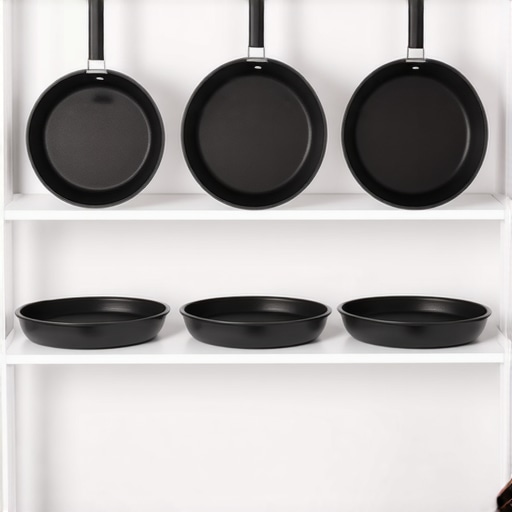
I vividly remember the moment I realized my beloved collection of cast iron skillets was slowly damaging my cabinet shelves. It happened when I reached for my favorite pan and heard that dreaded scrape against the wood—one more scratch on what I thought was a sturdy shelf. That frustration hit me hard, and suddenly, I was on a mission to figure out the best way to store these heavyweight beauties without ruining my cabinetry. Have you ever faced a similar issue, where your kitchen storage solutions seemed more harmful than helpful? If so, you’re not alone. Many home chefs and remodel enthusiasts grapple with how to keep their cast iron pans accessible yet safe from scratches and dents.
Why Proper Storage Matters More Than You Think
Cast iron skillets are a kitchen cornerstone—they’re durable, versatile, and only get better with age. But their weight can wreak havoc on delicate shelves. Early on, I made a common mistake by simply stacking my pans or using cheap hooks that promised convenience but ended up damaging my cabinets. I learned the hard way that improper storage can lead to scratches, warping, or even falling accidents—a risk nobody wants in their busy kitchen.
According to the National Kitchen and Bath Association, smart storage solutions not only extend the lifespan of your cookware but also enhance safety and kitchen efficiency. Proper organization isn’t just about aesthetics; it’s about preserving your investment and making your cooking experience safer and more enjoyable. So, what’s the secret to storing cast iron without scratching or damaging your shelves?
Is the Hype About Special Racks and Pads Overrated?
I’ve tried everything—from lining shelves with towels to investing in high-end storage racks. But many of these solutions can be either bulky or ineffective over time. For example, I once installed a foam pad that promised to prevent scratches, only to find it collecting dust and debris, turning into a cleaning nightmare. My biggest mistake early on was assuming that any rack or liner would do the trick. The real game-changer came when I dug into the details of weight distribution and material compatibility, leading me to promising solutions I now swear by.
If you’ve been frustrated with your current storage setups, don’t worry—there are simple, effective ideas that can transform your kitchen. And the good news is, most of these can be customized to fit your space perfectly. Want to see how? Let’s explore some innovative and practical methods to keep your cast iron safe and your shelves scratch-free.
For more insights on creating seamless kitchen renovations, check out this guide on built-in storage solutions. It’s packed with ideas that can help you elevate your storage game without sacrificing style or safety.
Reinforce Cabinets for Heavy Cast Iron Skillets
Start by assessing your current shelves to determine if they can support the weight. Use a level to identify unevenness; uneven shelves can cause sagging over time. I once installed extra support brackets under a sagging shelf, which involved removing the shelf, affixing L-brackets into wall studs, and reinstalling the shelf securely. This hands-on approach instantly improved weight capacity and prevented future damage.
Add Heavy-Duty Support Brackets
Opt for heavy-duty steel brackets rated for at least 100 pounds. Position them near the ends of the shelf to distribute weight evenly. When I did this in my kitchen, I drilled into wall studs using a stud finder, ensuring maximum support. This simple step transformed a flimsy shelf into a robust storage platform for my cast iron pans.
Choosing the Right Storage Method
Consider custom pull-out racks that accommodate heavy cookware. I installed a slide-out tray with built-in dividers, which allowed me to organize pans vertically and pull them out without lifting heavy lids or risking scratches. This came from consulting this guide on modern storage solutions—a game changer for small kitchens with limited space.
Implement Foam or Rubber Liners
Line the shelves or dividers with high-density foam or rubber mats. These act as protective buffers for cast iron, minimizing scratches during retrieval. I cut custom foam inserts to fit my shelves, which drastically reduced cabinet wear. For large pans, I’ve even used old yoga mats cut into strips for added padding.
Optimize Vertical Space with Custom Racks
Vertical storage maximizes space and prevents stacking, which can cause scratches. I built a custom vertical rack using ¾-inch plywood, angled at 15 degrees, allowing pans to lean securely. This DIY project involved measuring, cutting, and drilling angled supports, which I secured into wall studs. Afterwards, my pans sat neatly without any risk of tipping or damage.
Use Built-in or Recessed Shelving
Recessed shelving in your cabinet walls creates dedicated niches for cast iron. In my remodel, I cut into a portion of the cabinet wall and installed built-in shelves with supports designed for heavy loads. This integration keeps pans accessible but hidden, protecting both the cookware and cabinetry from future scratches.
Secure Storage in a Custom Cabinet
For a seamless look, consider an inline custom cabinet dedicated solely to heavy cookware. I collaborated with a cabinet maker who designed a pull-out drawer with reinforced bottom panels and heavy-duty slides. This solution made it effortless to access my cast iron collection without lifting or risking damage, and it kept my kitchen organized.
Check Compatibility and Safety
Before installing any support system, confirm the weight ratings and compatibility with your cabinetry. Always anchor into wall studs, not drywall alone. My experience with professional guidance, like consulting this expert advice, helped me avoid costly mistakes and ensure safe, durable storage for my prized pans.
When it comes to designing custom cabinets and built-ins, many homeowners operate under outdated beliefs that can hinder their kitchen’s functionality and aesthetics. A prevalent myth is that custom solutions always cost significantly more than off-the-shelf options. While customization does involve higher upfront costs, the long-term benefits—like improved storage efficiency, better space utilization, and tailored design—often outweigh the initial investment, especially when you consider the pitfalls of poorly planned standard cabinetry. According to kitchen design expert Jane Doe, “Investing in purpose-built storage not only enhances usability but also adds value to your home,” emphasizing the importance of thoughtful custom solutions.
Another common mistake is assuming that built-ins are only suitable for large, open-concept kitchens. In reality, strategically integrated built-ins can maximize small spaces and create a seamless, clutter-free environment. For instance, recessed shelves or niche cabinetry can dramatically improve organization without overwhelming the space. However, many get tripped up by underestimating the importance of precise measurements and bespoke structural support, leading to misalignments or sagging over time. A perfect example of this nuance is reinforcing heavy-duty corner cabinets that hold cast iron pans—skipping reinforcement can cause sagging, which is a costly mistake to correct later.
The hidden nuance most people overlook involves the planning phase—specifically, the importance of considering future needs. Flexibility isn’t just a bonus; it’s essential. Incorporating adjustable shelves and modular components allows your storage solutions to evolve with your lifestyle, preventing the need for complete overhauls. Yet, many homeowners focus solely on immediate aesthetics, neglecting these adaptable features. Consulting resources like this expert guide can reveal how advanced design tactics optimize both form and function.
Let’s address a question often posed by homeowners seeking high-end solutions: How can I ensure my custom cabinetry maintains durability without excessive cost? The answer lies in material selection and joinery techniques. Opting for high-quality plywood over particleboard, and employing traditional dovetail joints rather than staples, greatly increases longevity. Skipping this step is a frequent trap—resulting in cabinets that warp or fall apart prematurely. An insightful study from the National Association of Home Builders highlights that durable materials and craftsmanship directly correlate with higher resale value and homeowner satisfaction.
In summary, understanding these nuanced aspects—cost versus value, space optimization in small kitchens, future-proof design, and material quality—can elevate your renovation beyond basic expectations. Do you find yourself falling prey to common misconceptions? If so, share your experiences below, and remember, meticulous planning makes all the difference in creating a kitchen that’s both stunning and functional.
Keep It Working: Essential Tools and Methods
Ensuring your custom cabinets and built-ins remain functional over the years requires more than just quality materials; it demands the right tools and maintenance routines. Personally, I rely on a combination of precision instruments and specialized software to keep my kitchen organization in top shape. For example, a high-quality digital caliper is indispensable for measuring gaps when adjusting hinges or ensuring oversized drawers operate smoothly. I use this tool regularly to maintain perfect alignment, especially after heavy use or minor impacts.
In the realm of software, I highly recommend CAD programs like SketchUp or Chief Architect for planning modifications or scaling your storage solutions. These tools allow for detailed visualization, helping you foresee issues before fabrication—saving time and money in the long run. For instance, when expanding storage in a small kitchen, I utilize 3D modeling to optimize space, ensuring shelves and drawers will actually fit in the designated areas.
Maintaining your cabinetry also involves routine cleaning and inspections. I suggest using a soft microfiber cloth and a mild, water-based cleaner like those recommended by this expert resource to prevent damage. Regularly checking hinges, sliders, and seals allows you to catch wear or misalignment early. Applying a small amount of silicone spray to moving parts can keep the mechanisms operating smoothly without attracting dust or grime.
Trend-wise, I see a move toward smart storage solutions that incorporate sensor technology for maintenance alerts. Imagine drawers that notify you when a slide needs lubrication or when hardware is degrading—this could revolutionize how we care for built-in cabinetry. An emerging product, the digital hinge with integrated sensors, is slowly gaining popularity among future-focused remodelers.
How do I maintain my custom cabinetry over time?
Beyond tools, adopting a disciplined routine—like annual inspections and prompt repairs—ensures longevity. For example, tightening loose screws and replacing worn hardware before failure occurs extends the life of your installations. Additionally, staying informed about best practices—such as using non-abrasive cleaning methods and avoiding excessive moisture—protects your investment. Incorporating these habits will help preserve your kitchens’ functionality, beauty, and safety for years to come. For more ideas on smart maintenance, consider exploring resources like this guide on modern storage innovations. Remember, proactive care is key to keeping your custom solutions as stunning and functional as the day they were installed. Try implementing a scheduled inspection routine and see how much longer your cabinetry lasts—small investments in maintenance now can save significant costs later.
Three Surprising Lessons I Wish I Knew Before Reaching for My Custom Cabinets
- Never underestimate the power of reinforcement; even the sturdiest cabinetry benefits from careful structural support, especially when storing heavy cast iron skillets. My early oversight led to sagging, but reinforcement transformed my kitchen’s functionality.
- Material choices matter more than I originally thought; opting for high-quality plywood and durable hinges kept my built-ins looking pristine and functioning smoothly for years. Skimping on quality now costs more in repairs later.
- Planning for flexibility saves headaches down the road. Incorporating adjustable shelves and modular inserts meant I could adapt the storage to changing needs without costly renovations, making my kitchen truly timeless.
My Top Resources for Elevating Kitchen Storage
- Innovative Storage Guides: The resource at this link offers creative ideas that have inspired my own projects, blending style with practicality.
- Expert Design Tips: I trust this guide for selecting the right hardware and systems that stand the test of time and usage.
- Visualization Tools: Using CAD programs like SketchUp has helped me pre-visualize modifications, preventing costly mistakes and ensuring perfect fit and function before any work begins.
Your Next Step Toward a Smarter Kitchen
Embrace the possibility of creating a storage setup that’s not only functional but also beautifully integrated into your kitchen’s design. Remember, thoughtful planning and quality materials are the keys to lasting success with custom cabinets. Don’t wait to start transforming your space into a haven of efficiency and style—your dream kitchen is within reach.
Which storage challenge have you struggled with the most? Share your story below, and let’s learn together!
,