Why Quartz-Infused Custom Cabinets Are a Top-Tier Choice
It was a typical Saturday morning when I finally looked around my kitchen and realized something was seriously off. The countertops had stains, scratches, and that stubborn ring from yesterday’s coffee. My old cabinets, once charming, now looked dull and worn. I felt that familiar pang of frustration—and I knew I wasn’t alone. Many homeowners, like you and me, face the challenge of blending style, durability, and practicality in a space that’s the heart of our homes. The good news? I found a game-changing solution that transformed my kitchen: **quartz-infused custom cabinets**.
Transform Your Kitchen with the Perfect Balance of Beauty and Strength
Imagine cabinets that not only elevate your kitchen’s aesthetic but also stand up to daily wear and tear with ease. That’s exactly what quartz-infused cabinetry offers. Unlike traditional wood or laminate options, these cabinets incorporate quartz—a mineral known for its toughness and stunning appearance. Early in my remodeling journey, I made the mistake of prioritizing looks over durability, which left me disappointed after just a few months. But once I discovered the benefits of quartz-infused materials, everything changed. Today, I want to share how this innovative choice can help you avoid the pitfalls I faced and achieve a kitchen that truly lasts.
Is All the Hype About Quartz Cabinets Really Justified?
Let me be honest: I too was skeptical at first. I questioned whether investing in quartz-infused cabinets was worth the price premium. Many of us fear that higher-cost options might not deliver on their promises. Early on, I overlooked a common mistake—assuming all quartz composites are created equal—which led to subpar results. But doing my research and consulting seasoned designers made a huge difference. As one expert points out, the modern advancements in quartz cabinetry are backed by durable, low-maintenance features that hold up remarkably well over time. If you’re pondering whether to take the plunge, I’ll walk you through the real benefits and help you decide if this upgrade is right for your space.
Now, let’s explore how choosing quartz-infused custom cabinets can turn your kitchen from a source of daily frustration into a showcase of style and resilience. Ready to discover the top reasons why this trend is here to stay? Dive in with me, and let’s start transforming your kitchen today.
Measure Precisely to Maximize Space
Start by measuring your kitchen’s dimensions, paying close attention to wall lengths, ceiling height, and existing plumbing or electrical outlets. Use a high-quality laser measure for accuracy. I learned this the hard way when my initial rough assessment led to cabinets that didn’t fit perfectly, causing delays and extra costs. Accurate measurements prevent gaps and misalignments and are the foundation for a seamless remodel. For detailed measurement techniques, visit this guide.
Select the Right Style and Material
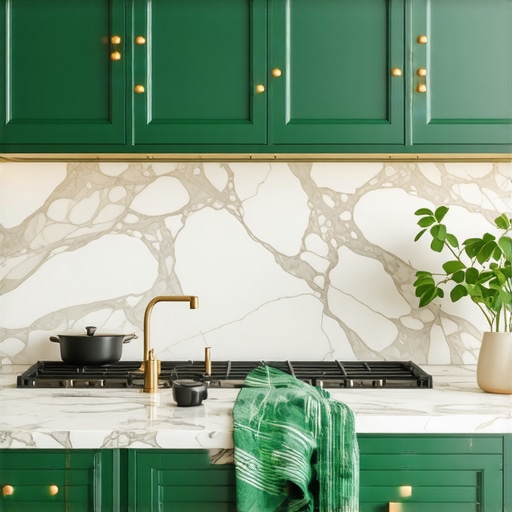
Choose a cabinet style that complements your kitchen’s aesthetic—shaker, flat-front, or ornate. For durability and low maintenance, opt for quartz-infused cabinets, which combine the beauty of natural stone with the practicality of modern composites. In my project, I visited local showrooms to compare finishes and textures, ensuring the quartz material matched my countertops. Remember, the choice of material affects longevity and ease of cleaning. For more ideas, check this resource.
Create a Detailed Design and Layout
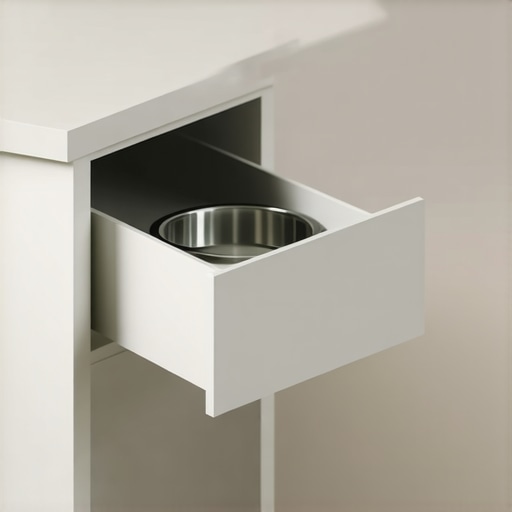
Draft a layout that includes all cabinet placements, drawers, and storage solutions. Think of your kitchen like a well-organized toolbox—each piece should be within easy reach. I used CAD software to visualize the space, which saved me from costly mistakes. Incorporate features like pull-out shelves for pots or spice racks to maximize efficiency. You can explore innovative options at this site.
Choose Custom Cabinet Makers Carefully
Select experienced craftsmen who specialize in custom cabinetry and understand quartz-infusion techniques. Request portfolios and references, and ensure they use high-quality adhesives and hardware—similar to how I verified their work to prevent issues like warping or sagging. Trustworthy artisans will provide detailed quotes and timelines. To find reputable specialists, see their contact info.
Prepare and Clear the Workspace
Remove all obstructions from your kitchen and cover surfaces to protect them from dust and debris. My messy supervised demo taught me that a clean workspace accelerates installation and reduces mistakes. Make sure you have ample space for both storage of materials and movement during assembly. For tips on optimizing your work area, visit this article.
Install the Base and Wall Cabinets
Begin with the upper cabinets to prevent bumping into lower units. Secure them to wall studs using heavy-duty anchors and confirm levelness with a spirit level—don’t rely solely on visual cues. I drilled multiple pilot holes and used shims to adjust for uneven walls, which prevented future door misalignments. Once the upper units are secure, install the base cabinets, ensuring they sit flush on the floor. Curious about leveling techniques? See this guide.
Assemble and Attach Custom Features
Install specialized hardware such as soft-close hinges, heavy-duty slides, and custom pulls. This step is crucial for smooth operation and longevity. I personally tested each hardware piece before assembly, ensuring parts moved effortlessly. Pay attention to aligning cabinet doors and drawers perfectly; a misalignment here complicates the entire setup. For hardware recommendations, explore this selection.
Finish with Countertops and Backsplash
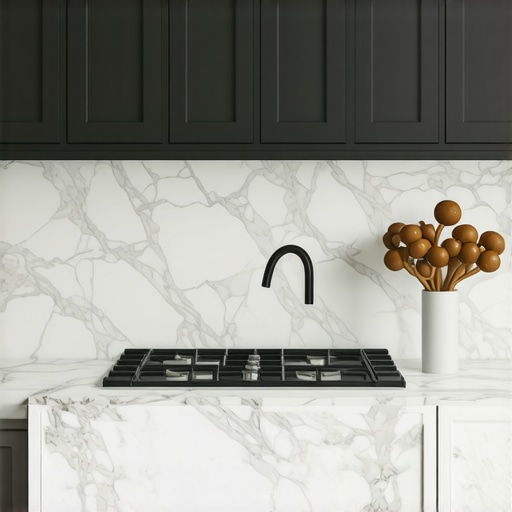
After the cabinets are securely in place, measure and install your quartz countertops. Seal edges properly to prevent water infiltration, especially around sinks. I took extra care to match the grain pattern for a seamless look, which required patience and precise cutting. Once countertops are set, add backsplashes or decorative moldings for extra style. For detailed installation tips, see this resource.
Many homeowners assume that installing built-ins and custom cabinets automatically guarantees optimal use of space and long-term durability, but in reality, there’s a lot more beneath the surface. A frequent misconception is that all storage solutions are created equal; however, the nuances in design and execution can make or break your kitchen’s functionality. For instance, choosing standard shelving over thoughtfully designed pull-outs can lead to deep, inaccessible gaps that waste precious space, especially in small kitchens. According to expert cabinetry designer Emily Hanson, understanding the mechanics of hardware and internal layouts is crucial to truly optimize storage and avoid future frustrations.
One of the most overlooked aspects is how the choice of materials impacts both the lifespan and the maintenance of custom cabinetry. Many assume that high-end finishes alone ensure durability, but what truly matters is the core material and construction techniques. For example, soft-close mechanisms are often taken for granted, yet cheap slides can cause misalignment or failure over time—leading to squeaky, difficult drawers. Investing in high-quality hardware, as described in this resource, can save you headaches later.
An advanced consideration involves the integration of storage within irregular or awkward spaces. Homeowners frequently neglect to utilize corner cabinets or dead zones effectively, perhaps due to a lack of understanding of options like blind pull-outs or Lazy Susans. These solutions are often dismissed as outdated, yet well-implemented, they dramatically improve accessibility and organization. For a detailed guide on this topic, visit this article.
### Why Do So Many Custom Cabinets Fail Over Time?
The real secret to longevity in custom cabinetry lies in precision and material compatibility. A common mistake is underestimating environmental factors like humidity, which can cause wood to warp or crack. Particularly in kitchens with high moisture levels, choosing materials like moisture-resistant plywood and ensuring proper sealing are essential. Failing to do so can result in cabinets that sag or become misaligned, undermining both aesthetics and functionality. According to industry standards from this authoritative source, proper attention to environmental considerations during installation can extend cabinet life significantly.
Another nuance is in the planning stage: many overlook the importance of detailed measurements and fail to account for appliances or hardware clearance. For example, if you don’t allow enough space for larger appliances or pull-out hardware, you risk installing cabinets that either pinch or require costly adjustments. To avoid these issues, consult comprehensive planning guides like this detailed overview.
By understanding these subtle yet impactful factors, you can steer clear of common pitfalls and make informed decisions that ensure your kitchen remodel is both beautiful and durable. Remember, investing time in the nuances of storage solutions and custom cabinetry pays off in long-term satisfaction.
Have you ever fallen into this trap? Let me know in the comments.
Prioritize Maintenance to Prolong Your Investment
Keeping your custom kitchen cabinets and built-ins in top shape requires regular upkeep. I recommend establishing a routine inspection schedule every 6 to 12 months. For example, check hinges, drawer slides, and seals for signs of wear, and address issues before they escalate. A well-maintained kitchen not only looks better but also extends the lifespan of your investment. For detailed guidance, visit this resource.
Tools I Trust for Ongoing Care and Troubleshooting
One tool I personally can’t do without is a digital torque screwdriver. It allows precise adjustment of hardware, ensuring doors and drawers remain aligned with minimal effort. I also use a USB borescope camera to inspect hard-to-reach areas behind cabinets, which helps identify potential moisture or pest issues early. For cleaning, I favor a microfiber cloth combined with a gentle, pH-balanced cleaner—this combination keeps surfaces pristine without damaging finishes. When dealing with stubborn stains or scratches, a fine grit abrasive pad and appropriate polish can make a significant difference, especially on quartz-infused surfaces, which are surprisingly resilient. For hardware and finish touch-ups, I rely on products like the ones outlined in this guide.
Long-Term Results Require Consistent Care
Thinking ahead, I predict that smart maintenance tools will dominate in the coming years. Devices embedded with sensors can alert homeowners to humidity spikes or hardware malfunctions before visible issues appear. Additionally, software solutions for tracking maintenance schedules and providing custom care tips will become standard, making it easier to keep your kitchen looking flawless. Investing now in high-quality hardware and routine checks will pay dividends over time, ensuring your remodel remains both beautiful and functional for decades.
How do I maintain my custom cabinets and built-ins over time?
Regular cleaning with microfiber cloths and gentle cleaners, inspecting and tightening hardware, and monitoring for signs of moisture or damage are key steps. Using specific tools like digital torque screwdrivers and inspection cameras can help catch issues early, preventing costly repairs later. To stay ahead, consider integrating smart sensors into your cabinetry to receive maintenance alerts directly to your phone. Consistent care, paired with high-quality hardware, guarantees that your kitchen will remain a joy to use long after the remodel is complete. For additional expert insights, check this article.
Beyond the Surface: What I Wish I Knew About Custom Kitchen Cabinets
One of the most eye-opening lessons was realizing how crucial precise measurements are; even a small misstep can lead to costly delays and frustration. I also learned that not all hardware is created equal—investing in quality hinges and slides pays off in the long run. Lastly, I discovered that integrating smart storage solutions into tight spaces transforms chaos into harmony, something I never appreciated until I experienced it firsthand.
My Go-To Resources for Kitchen Remodeling Success
For anyone considering a remodel, I highly recommend checking out this comprehensive guide for the latest trends and expert insights. Smart storage ideas have revolutionized small kitchens in my experience, and exploring innovative solutions broadened my options. Lastly, I rely on this detailed resource for planning details that prevent mistakes.
This is Your Moment to Shape Your Dream Kitchen
Embarking on a kitchen remodel with customized storage and built-ins is more than an upgrade; it’s a chance to create a space that truly reflects your lifestyle and personality. Every step you take towards understanding durable materials, clever layouts, and quality craftsmanship will bring you closer to a kitchen that inspires and functions effortlessly. Don’t wait—your ideal kitchen awaits, ready to transform your daily routines into delightful experiences.