Why Your Spice Rack Should Be in a Drawer, Not a Wall Cabinet
It was a typical Tuesday morning in my kitchen, bustling with the usual chaos. As I reached for that jar of cinnamon, I punched my hand into a cloud of spice dust because my wall-mounted spice rack decided to send a little surprise my way—spices everywhere but where they should be. That moment—a tiny catastrophe—made me realize something important: my spices deserve better than my wall cabinet. Have you ever faced this frustrating mess, digging through cabinets just to find the thyme? If so, you’re not alone.
The Hidden Chaos of Wall-Mounted Spice Racks
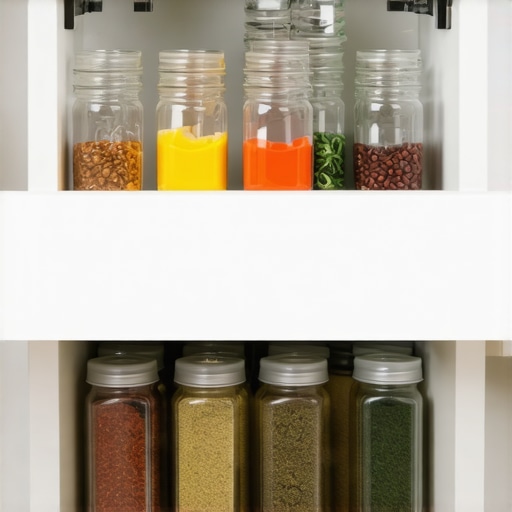
Wall cabinets are often the default choice for spice storage, but they can quickly turn into a cluttered, hard-to-reach mess. Especially when jars get loose or fall, leaving a trail of herbs and powders across your countertops and floors. And let’s be honest—the opening and closing of those cabinet doors can become a dance of patience, particularly in busy kitchens. Over time, I discovered that these racks are more trouble than they’re worth, leading me to ask, “Why am I still using this outdated system?”.
Instead, I made a simple switch—installing a drawer dedicated solely to spices. A little upgrade that transformed my cooking experience.
Ready to see what a drawer can do for your spice organization?
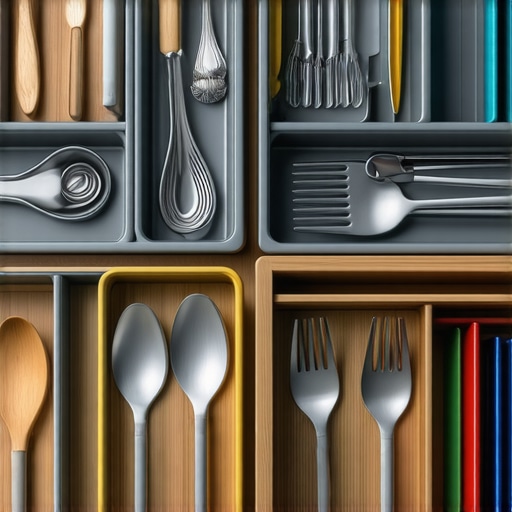
Let me tell you, this change didn’t happen overnight. Early on, I made a crucial mistake: I underestimated how much easier it would be to access my spices and how much less clutter I’d have to contend with. I used a generic kitchen drawer — and it got cluttered faster than I imagined. Since then, I’ve learned that customizing your storage — like with smart dividers and tailored compartments — can prevent that chaos and keep everything in its place.
Switching to a spice drawer isn’t just about tidiness; it’s about efficiency and rediscovering the joy of cooking without fighting against your storage system. Curious about how to optimize your own kitchen space? You can find some genius ideas for maximizing space [here](https://artisancabinetworkz.com/smart-storage-ideas-to-maximize-your-kitchen-space-this-year). But first, let’s tackle the doubts you might have about this approach, and I promise, it’s worth the jump.
Designing Your Custom Spice Drawer
Start by measuring your kitchen drawer space precisely using a tape measure, ensuring the dimensions accommodate your spice jars comfortably. Remove existing items and clear the area for a clean workspace. Sketch a layout, considering individual spice jar sizes and the number of compartments needed. Use a pencil to draw the compartments directly onto cardboard or cardboard templates to visualize the arrangement.
For example, I once dedicated a 24-inch wide drawer and divided it into six equal compartments for my most-used spices. This minimal investment saved me time and frustration daily. Next, cut dividers from ¼-inch plywood, using the templates for consistent sizing. Sand edges smooth to prevent sharpness and splintering.
Install the dividers inside the drawer, securing them with wood glue or small nails if needed. For extra organization, consider adding removable clear acrylic trays or labels. When I did this, I found it easier to find spices quickly—no more digging through jars or knocking over bottles.
Utilize Smart Dividers and Labels
To prevent clutter, customize your compartments further with adjustable dividers or use modular storage inserts. Label each section clearly using waterproof labels or chalk paint for easy identification. This approach ensures that even during busy mornings, your spices are accessible and well-organized.
Visit this guide for additional tips on maximizing your kitchen storage with DIY solutions and smart organizational ideas.
Implementing Tailored Storage in Cabinets
If you prefer to keep your existing cabinetry but want better organization, consider inserting pull-out shelves or vertical dividers. These modifications are like building custom tracks inside your cabinets, making every inch accessible. Measure the interior dimensions carefully, accounting for door clearance and hinge placement.
During my remodel, I added a narrow pull-out tray for my baking sheets—an upgrade that eliminated clutter and made baking prep seamless. Cut plywood to size, sand edges, and install with high-quality sliders or glides for durability. Use screws and brackets to secure the fixings tightly, preventing wobble or sagging over time.
For example, I installed a shallow, 4-inch deep pull-out with adjustable dividers that fit over my existing shelves, creating extra storage without extensive cabinet reconstruction. This makes reaching items easy and keeps everything visible at a glance.
Maximize Small Spaces with Clever Solutions
In small kitchens, every inch counts. Think about incorporating corner units like LeMans pull-outs or lazy Susans with built-in dividers. These turn blind spots into accessible storage, much like transforming an invisible nook into a usable space. For instance, I retrofitted my pantry with a corner pull-out that used to be dead space, storing tall baking supplies neatly.
Check out this resource for more inventive ideas that suit tight quarters.
When remodeling the kitchen, many assume that standard solutions or off-the-shelf built-ins will cater to every need, but this is a misconception. The common belief that pre-made or generic built-in units can seamlessly fit your unique space ignores the nuanced realities of architectural and design constraints. In my experience, overlooking the importance of tailored solutions can lead to wasted money and compromised functionality. For example, a widely held myth is that all built-ins maximize storage without affecting aesthetics, but real-world applications show that improper planning often results in cluttered, inefficient spaces. An advanced mistake many make involves underestimating the impact of wall thickness, electrical outlets, or plumbing when designing custom cabinets, which can compromise both form and function. A study by the National Kitchen and Bath Association underscores that personalized storage solutions improve usability by up to 30%, highlighting that customization isn’t just about style, but about optimizing space and workflow. The hidden nuance here is that a truly effective built-in integrates seamlessly with your home’s architecture, enhances accessibility, and anticipates your habits—a feat rarely achieved with generic models. For instance, incorporating adjustable shelves, hidden compartments, or smart organizational features tailored to your lifestyle can drastically improve kitchen efficiency. Moreover, advanced mistakes involve neglecting future flexibility; today’s needs might change, and rigid solutions can become obstacles rather than assets. Before jumping into the common trap, consider consulting a specialist who can craft a custom plan aligned with your home’s architecture and your daily routines. For extensive guidance, visit [this comprehensive guide](https://artisancabinetworkz.com/the-ultimate-guide-to-custom-cabinets-for-a-stylish-kitchen-overhaul). Remember, the key isn’t simply in installing built-ins but in designing them as integrated features that adapt to your evolving needs. Have you ever fallen into this trap? Let me know in the comments.Maintaining your kitchen’s built-ins and storage solutions requires precision and the right tools. Personally, I rely on a cordless oscillating multi-tool for on-the-spot adjustments, especially when dealing with custom cabinetry or minor modifications. Its versatility allows me to trim or sand edges without extensive disassembly, saving time and preserving the integrity of my investments. For delicate tasks like installing internal dividers or test-fitting new hardware, I use a high-quality digital caliper to ensure perfect measurements down to 0.01 inches, minimizing errors that could lead to costly reworks. A sharp, fine-toothed saw from reputable brands like Dewalt or Fein is indispensable when customizing plywood dividers or trimming fitments—dull blades risk splintering material and compromising the finish. I also recommend investing in a reliable multi-bit screwdriver set with magnetic tips, streamlining the process of swapping out hardware or adjusting hinges during routine maintenance. These tools collectively help keep your storage solutions functioning flawlessly over time. Besides hardware, software plays a role too; for example, using professional design programs like SketchUp or 2024’s updated IKEA Home Planner can help visualize modifications before physical work begins, avoiding costly mistakes. Predicting future trends, I believe that smart storage solutions integrated with IoT—think motion-activated cabinet lights or automated drawers—will become standard in kitchen maintenance routines, enhancing efficiency and safety. To get started today, I suggest trying a comprehensive maintenance checklist and pairing it with a precision measuring tool to assess current fits and identify areas needing attention. Regularly scheduled inspections every six months can prevent minor issues from escalating, ensuring your bespoke storage solutions continue to serve reliably.
How do I maintain built-in cabinetry and storage systems over time?
Regular cleaning with gentle, non-abrasive cleaners and periodic hardware check-ups are key. Applying a protective finish, such as a wax or conditioner suitable for your material, can prolong the life of wood and laminate surfaces, preventing warping or fading. Pay special attention to hinges and sliding mechanisms; lubricate them annually with silicone spray or a damp cloth to avoid squeaks and stiffness. For moving parts like pull-out shelves or drawer glides, conduct periodic alignment checks and tighten loose screws promptly. If you notice any sagging or misalignment, address it immediately to prevent further damage. Additionally, avoid overloading shelves or drawers, as excessive weight can cause warping or hardware failure. For deeper issues, consulting a professional for repairs or reinforcement can ensure your systems continue to perform. Implementing these maintenance routines can significantly extend the lifespan of your built-ins, ensuring your investment provides long-term satisfaction. Keep in mind that consistent attention not only preserves functionality but also enhances safety and aesthetics. As the trend leans toward automation, consider integrating IoT-enabled features; for instance, installing sensor-based lighting that turns on when you open a cabinet adds convenience and safety. For more advanced maintenance tips tailored to custom kitchens, explore the detailed guidance available in this resource. An example from industry experts highlights that proactive care can prevent up to 30% of repair costs over a decade, emphasizing the importance of regular upkeep. Why not start your maintenance today by scheduling a quarterly audit of your storage solutions? Small, consistent actions now will pay off in seamless functionality tomorrow.
Little Surprises Convey Big Lessons in Kitchen Design
One of the most unexpected lessons I learned came from that cinnamon-spice explosion, reminding me that even small storage changes can lead to major improvements in functionality and peace of mind. Embracing custom storage solutions means anticipating those little mishaps and designing to prevent chaos, not just reacting to it.
Resist the Temptation of One-Size-Fits-All
I’ve realized over time that every kitchen has its quirks—wall thicknesses, electrical outlets, and unique habits. Tailoring your built-ins ensures your space adapts seamlessly to your lifestyle, which generic solutions often miss. Sometimes, the best decision is to seek professional guidance to unlock truly personalized storage that feels intuitive and effortless.
Quality Tools Transform Self-Project Success
Investing in the right tools—like a precision caliper or sturdy saw—made all the difference when customizing my cabinetry. These tools not only improve accuracy but also boost confidence, transforming a daunting project into a rewarding experience. Good tools are like good design: they make everything easier and last longer.
Planning Ahead Saves Time and Money
Taking the time to measure carefully, sketch layouts, and select appropriate dividers prevented costly mistakes and rework. It’s a reminder that thorough planning at the beginning pays dividends down the line, ensuring your storage solutions remain functional and beautiful for years to come. Modular and adjustable inserts give you flexibility to adapt when needs change.
Don’t Forget the Future When Designing Today
Thinking ahead—whether about new appliances, changing family size, or evolving tastes—keeps your built-ins relevant and satisfying. A little foresight, such as adjustable shelves or versatile compartments, writes the ultimate success story for your kitchen. Staying adaptable in design safeguards your investment and keeps your kitchen feeling fresh.
My Essential Toolkit for a Seamless Kitchen Makeover
Beyond basic hardware, I rely on tools like a DIY-friendly oscillating multi-tool and digital calipers, which allow for precise adjustments and clean cuts. Equipment from trusted brands like Dewalt ensures durability and safety. Using design software, such as SketchUp, helps visualize modifications beforehand, reducing uncertainty and errors. For ongoing inspiration and tips, the comprehensive [ultimate guide to custom cabinets](https://artisancabinetworkz.com/the-ultimate-guide-to-custom-cabinets-for-a-stylish-kitchen-overhaul) has been invaluable. Building confidence with quality tools and knowledge makes the process both enjoyable and successful.
Take Action and Transform Your Kitchen Today
Your kitchen’s potential is waiting to be unlocked with a bit of strategic planning and personalized design. Imagine the satisfaction of opening a drawer that stays organized effortlessly, or a cabinet that accommodates your latest appliance without fuss. Don’t let hesitation hold you back—embrace the creative process, and start customizing your built-in storage now. What small change are you ready to implement in your kitchen to regain control and peace of mind? Share your plans below!