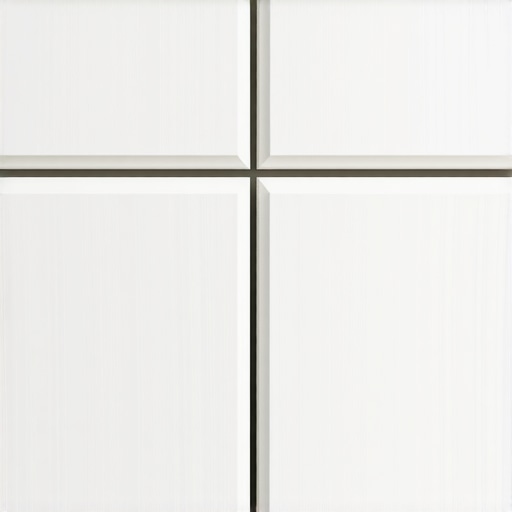
The Best Wood Species for Painted Cabinets That Will Not Crack at the Joints
I remember the cold January morning I first noticed it. I was leaning against the counter, waiting for the kettle to whistle, when the winter sun hit my upper cabinets at just the right angle. There, right at the corner where the vertical stile met the horizontal rail, was a jagged, dark hairline crack. My heart sank. I had spent months obsessing over the layout of my
Why Your Painted Cabinets Are Breaking Your Heart
It felt like a personal failure. I’d spent thousands on what I thought was a high-end modern kitchen remodel featuring custom cabinets, only to have the joints look like they were pulling apart after just two seasons. I’d even bragged to the neighbors about my ultimate guide to custom cabinets choices. But looking at those ‘stepped’ joints, I realized I’d focused on the color and forgot about the chemistry of the wood itself. If you are staring at similar cracks or—worse—you are currently picking out materials and feeling paralyzed by the fear of a failing finish, I am here to help. We are going to solve the mystery of wood movement today so your kitchen stays looking like a showroom for years.
Will any wood really stay perfect forever?
It is a fair question to be skeptical about. Wood is a living, breathing material. According to the USDA Forest Products Laboratory, wood can actually expand or contract significantly—sometimes up to 10% across the grain—depending on the ambient humidity of your home. That is a massive amount of physical stress on a rigid paint film. Early in my journey, I made the classic ‘Oak Mistake.’ I thought because it was heavy and durable, it would be the perfect base for a sleek finish. I was wrong. Not only did the grain telegraph through the paint, but the movement was so aggressive it practically snapped the paint film at the seams. I’ve since learned that why solid wood door panels still need room to breathe in summer is the most critical lesson in cabinetry. Have you ever tried to ‘touch up’ a joint crack only to have it reappear three months later? It is a cycle of frustration we are going to end right now.
The Heavy Hitters That Keep Their Cool Under Paint
Choosing the right species is about finding a balance between stability and surface texture. You want something with a closed grain so it is smooth, but low ‘hygroscopicity’—a fancy word for how much water it sucks out of the air. When you get this right, you avoid the heartbreak of the real reason your white painted cabinets are turning yellow or cracking. We also have to consider the ‘mapping’ effect, where the wood grain eventually shows through the paint like an old ghost. To get that glass-smooth look, you need a species that is naturally boring and stable. Let’s look at the woods that actually play nice with high-end lacquers and won’t leave you searching for the 5-minute hinge adjustment for fixing wonky cabinet reveals just to hide a structural eyesore.To achieve a finish that looks more like a factory-applied automotive coating than a DIY project, you have to stop thinking about paint as a cover-up and start viewing it as a transparent layer that reveals every flaw of the substrate beneath. The first step in any successful modern kitchen remodel featuring custom cabinets is selecting a material that resists the urge to expand.
Pick the Wood Species That Plays Nice with Paint
Most homeowners assume solid wood is always the ‘premium’ choice, but for a painted finish, a hybrid approach is actually superior. If you use a species with a coarse texture, the paint will sink into the pores and create an orange-peel effect. This is why the best wood species for painted cabinets that won’t show grain are typically Hard Maple or High-Density Fiberboard (HDF). Maple is incredibly dense and smooth, making it the gold standard for door frames, while HDF is used for the center panels because it is dimensionally stable—it won’t shrink and expose an unpainted ‘gap’ when the heater kicks on in December. While why we use solid maple for drawer boxes instead of poplar is a different discussion centered on durability, for the exterior surfaces, you need that dead-flat smoothness that only specific species provide. 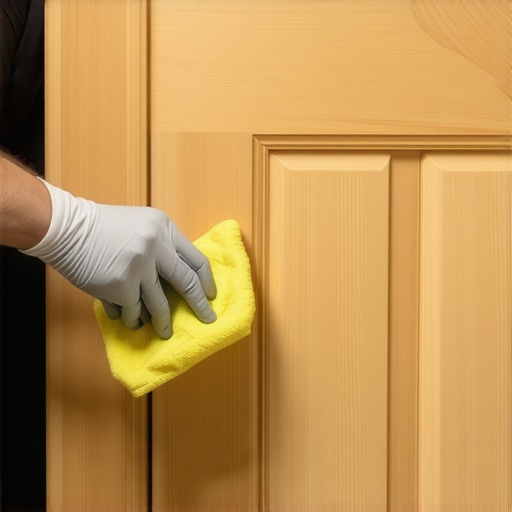
Why Your Prep List Needs a Mandatory De-greasing Stage
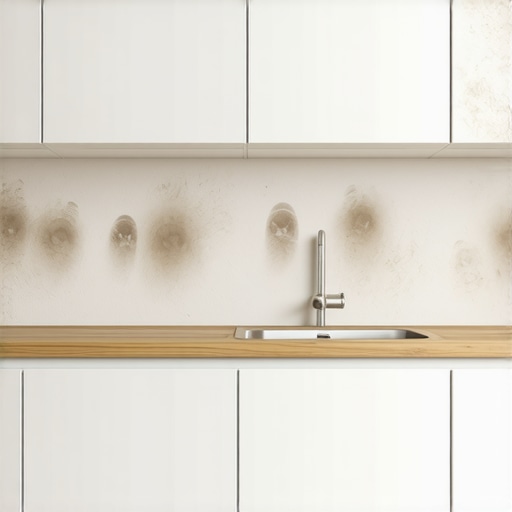
I learned this lesson the hard way during a summer project in a high-use kitchen. I thought a quick scuff-sand was enough. Within an hour of spraying the primer, I saw ‘fish-eyes’—tiny circular craters where the paint was literally jumping away from the wood. It turned out that years of aerosolized cooking oils had created an invisible film that even 120-grit sandpaper couldn’t fully remove. This is why your Indianapolis kitchen cabinet paint quote includes a mandatory de-greasing step using a chemical like TSP or a dedicated wax and grease remover. You aren’t just cleaning; you are chemically altering the surface tension so the primer can actually bite into the fibers.
Mastering the Mechanical Bond with Sanding
Once the surface is chemically clean, you need to create a ‘profile’ for the paint to grip. Think of it like mountain climbing; it’s easier to hold onto a jagged rock than a sheet of ice. I use a progressive sanding technique, starting at 120-grit and finishing at 180-grit. If you go much higher, like 320-grit, you actually polish the wood and close the pores, which is a disaster for adhesion. This is part of the proper way to prep Indianapolis kitchen cabinets before the first coat of paint to ensure the finish doesn’t just flake off when a rogue pot hits the door.
Select Your Shield with High-Performance Lacquers
Finally, the chemistry of the coating matters as much as the wood. Standard house paint is designed to be flexible and thick, which is the opposite of what you want for a ultimate guide to custom cabinets finish. Professionals use conversion varnishes or lacquers. Understanding the difference between pre-catalyzed and post-catalyzed cabinet lacquer is vital; a post-catalyzed finish creates a chemical cross-link as it dries, forming a shell that resists water, heat, and even some household chemicals. It’s the difference between a kitchen that looks good for a year and one that looks new for a decade.While we’ve covered the basics of species selection, there’s a persistent myth in the design world that ‘all-wood’ construction is the only way to go for high-end results. In my experience, that’s actually a recipe for a warranty claim. Everyone says solid wood panels are the pinnacle of luxury, but for a painted finish, they are often a liability. When you look at custom cabinets as a game changer in your kitchen remodel journey, you have to prioritize stability over sentimentality. Solid wood panels expand and contract so much that they physically tear the paint at the joints. This is why I advocate for HDF center panels—they provide a dead-flat, non-moving surface that prevents the dreaded ‘halo’ of unpainted wood from appearing during winter. Have you ever fallen into this trap? Let me know in the comments.
Stop Chasing the All-Wood Myth for Painted Doors
It is time to address the elephant in the room: corner storage. Most designers will automatically suggest a Lazy Susan, but they are often the most under-utilized and frustrating parts of a kitchen. I always tell my clients why you should skip the lazy susan and install lemans pull outs instead. A Lazy Susan often has a central pole that wastes space and allows items to fly off into the ‘cabinet abyss’ never to be seen again. A LeMans unit, however, brings the entire shelf out to you, maximizing every square inch of that corner. 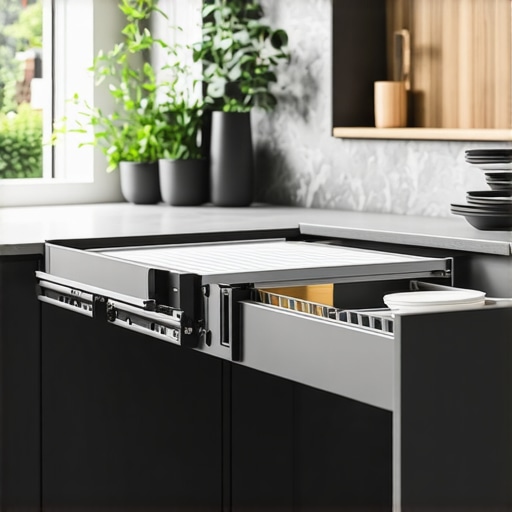
Does the heat from your oven really kill your cabinet finish?
It is a nuance that even some ‘pro’ designers miss. For example, why your garbage pull out should never be next to the oven is a matter of both hygiene and chemistry. The heat from a self-cleaning oven cycle can reach temperatures that literally melt standard coatings or cause the wood nearby to dry out prematurely and crack. According to the Kitchen Cabinet Manufacturers Association (KCMA), finishes must pass rigorous heat-resistance tests to be certified, but placing high-heat appliances without proper ‘heat shields’ or clearances is an ‘oops’ factor that voids many warranties. I’ve seen beautiful modern kitchen remodels featuring custom cabinets and built-ins ruined simply because the dishwasher was placed directly against a side wall without a return panel, leading to steam-damaged finishes.
The $5,000 Paint Trap You Need to Avoid
Don’t let a contractor talk you into using ‘premium’ wall paint for your cabinets. This is why using standard interior paint on your kitchen cabinets is a five-year-mistake. Wall paint is designed to be breathable and slightly flexible to deal with drywall movement; cabinet coatings need to be hard, chemical-resistant, and block-resistant so they do not stick together when closed. If you are looking at innovative storage solutions for modern kitchen remodels, do not just think about where the pots go—think about how the finish will survive the heat and steam of a real kitchen.
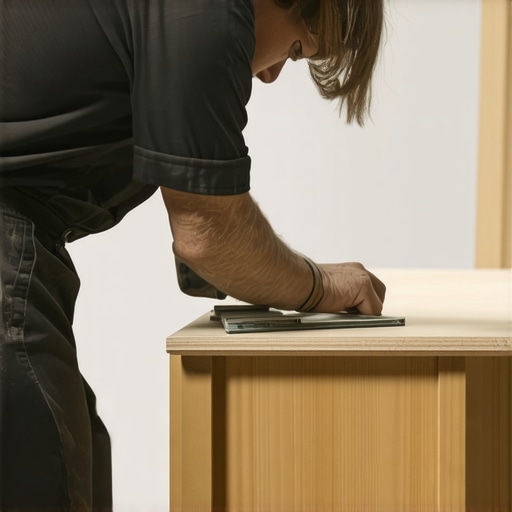
I remember the first time I tried to eyeball the placement of a handle on a brand-new drawer front. I was so confident, until I stepped back and realized the handle was tilted exactly three millimeters to the left. It looked like a permanent wink, and not the good kind. That is when I realized that in a modern kitchen remodel featuring custom cabinets, the difference between ‘professional’ and ‘amateur’ isn’t just the paint—it’s the precision of the final hardware installation. If you are doing this yourself or even just watching your contractor, you need to insist on using the one tool you need for perfectly aligned cabinet knobs every time: a professional-grade hardware jig. I personally use the True Position Drill Guide because it eliminates the ‘drift’ that happens when a drill bit hits a dense maple grain. It turns a stressful afternoon into a twenty-minute victory lap.
Stop Guessing Where Your Cabinet Handles Go
Precision isn’t just about looks; it’s about physics. When handles are misaligned, you apply uneven pressure to the drawer slides every time you pull. Over a decade, that tiny imbalance is the real reason your cabinet drawer slides are grinding or failing prematurely. By ensuring your pulls are perfectly centered and level, you are actually extending the mechanical life of your cabinetry components. 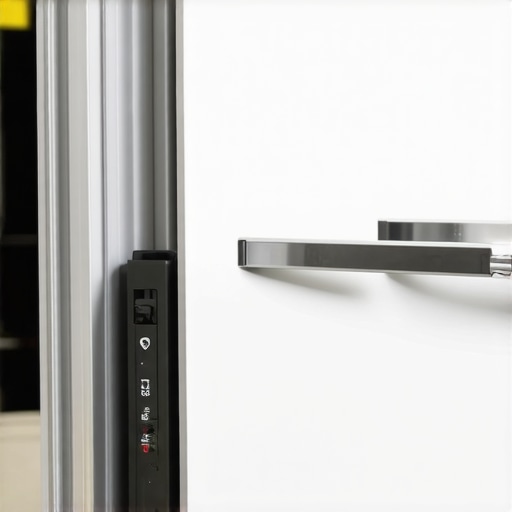
How can I keep my custom finish looking brand new?
This is the most common question I get once the plastic is off and the dishes are put away. Maintenance for high-end coatings isn’t about scrubbing; it’s about prevention. According to technical documentation from Blum, their hardware is tested for 200,000 opening and closing cycles, but that durability relies on the doors remaining balanced. If a door starts to sag, it puts torque on the lacquer at the hinge cup, which can lead to spider-web cracking. You also have to be careful with moisture. If you notice a spill, don’t let it sit; learning how to remove stubborn water rings from natural wood cabinet surfaces is helpful, but preventing them with a simple microfiber cloth and a pH-neutral cleaner is better. Never use furniture polish with silicone, as it creates a film that makes future touch-ups impossible.
Why Your Next Kitchen Will Probably Charge Your Phone
As we look toward the next few years, the biggest shift I’m seeing in smart storage solutions for small kitchens in 2025 is the integration of ‘invisible’ technology. We are moving away from cluttered countertops and toward cabinets that work harder. This is why every kitchen should have a dedicated charging station for laptops and devices hidden right inside a drawer. The trend is moving toward ‘stealth’ kitchens where everything from your toaster to your MacBook has a powered home, keeping the aesthetic of your ultimate guide to custom cabinets choices clean and uninterrupted. I predict we will see inductive charging built directly into the underside of the cabinet shelves within the next five years.
Before you consider the job finished, I want you to try one advanced tip that separates the pros from the dreamers. Grab a screwdriver and perform the 5-minute hinge adjustment for fixing wonky cabinet reveals. Even the best-installed cabinets settle after they are loaded with heavy plates. Taking five minutes to level those doors will make the entire room feel more expensive and well-crafted. If you find yourself stuck or planning your next big project, don’t hesitate to contact us to discuss how to make these storage dreams a reality in your own home.
I remember the cold January morning I first noticed it. I was leaning against the counter, waiting for the kettle to whistle, when the winter sun hit my upper cabinets at just the right angle. There, right at the corner where the vertical stile met the horizontal rail, was a jagged, dark hairline crack. My heart sank. I had spent months obsessing over the layout of my
Why Your Painted Cabinets Are Breaking Your Heart
It felt like a personal failure. I’d spent thousands on what I thought was a high-end modern kitchen remodel featuring custom cabinets, only to have the joints look like they were pulling apart after just two seasons. I’d even bragged to the neighbors about my ultimate guide to custom cabinets choices. But looking at those ‘stepped’ joints, I realized I’d focused on the color and forgot about the chemistry of the wood itself. If you are staring at similar cracks or—worse—you are currently picking out materials and feeling paralyzed by the fear of a failing finish, I am here to help. We are going to solve the mystery of wood movement today so your kitchen stays looking like a showroom for years.
Will any wood really stay perfect forever?
It is a fair question to be skeptical about. Wood is a living, breathing material. According to the USDA Forest Products Laboratory, wood can actually expand or contract significantly—sometimes up to 10% across the grain—depending on the ambient humidity of your home. That is a massive amount of physical stress on a rigid paint film. Early in my journey, I made the classic ‘Oak Mistake.’ I thought because it was heavy and durable, it would be the perfect base for a sleek finish. I was wrong. Not only did the grain telegraph through the paint, but the movement was so aggressive it practically snapped the paint film at the seams. I’ve since learned that why solid wood door panels still need room to breathe in summer is the most critical lesson in cabinetry. Have you ever tried to ‘touch up’ a joint crack only to have it reappear three months later? It is a cycle of frustration we are going to end right now.
The Heavy Hitters That Keep Their Cool Under Paint
Choosing the right species is about finding a balance between stability and surface texture. You want something with a closed grain so it is smooth, but low ‘hygroscopicity’—a fancy word for how much water it sucks out of the air. When you get this right, you avoid the heartbreak of the real reason your white painted cabinets are turning yellow or cracking. We also have to consider the ‘mapping’ effect, where the wood grain eventually shows through the paint like an old ghost. To get that glass-smooth look, you need a species that is naturally boring and stable. Let’s look at the woods that actually play nice with high-end lacquers and won’t leave you searching for the 5-minute hinge adjustment for fixing wonky cabinet reveals just to hide a structural eyesore.To achieve a finish that looks more like a factory-applied automotive coating than a DIY project, you have to stop thinking about paint as a cover-up and start viewing it as a transparent layer that reveals every flaw of the substrate beneath. The first step in any successful modern kitchen remodel featuring custom cabinets is selecting a material that resists the urge to expand.
Pick the Wood Species That Plays Nice with Paint
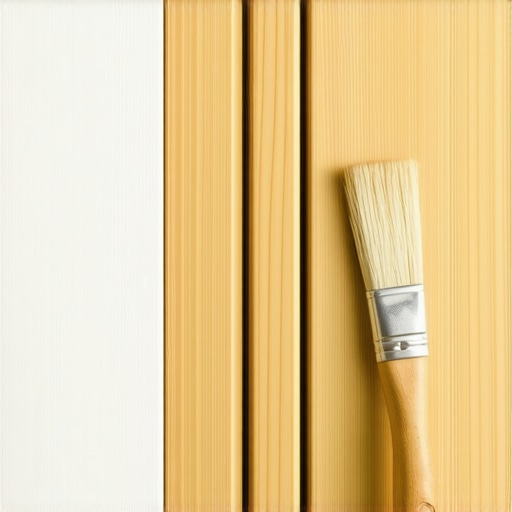
Most homeowners assume solid wood is always the ‘premium’ choice, but for a painted finish, a hybrid approach is actually superior. If you use a species with a coarse texture, the paint will sink into the pores and create an orange-peel effect. This is why the best wood species for painted cabinets that won’t show grain are typically Hard Maple or High-Density Fiberboard (HDF). Maple is incredibly dense and smooth, making it the gold standard for door frames, while HDF is used for the center panels because it is dimensionally stable—it won’t shrink and expose an unpainted ‘gap’ when the heater kicks on in December. While why we use solid maple for drawer boxes instead of poplar is a different discussion centered on durability, for the exterior surfaces, you need that dead-flat smoothness that only specific species provide. #IMAGE_PLACE_HOLDER_B#
Why Your Prep List Needs a Mandatory De-greasing Stage
I learned this lesson the hard way during a summer project in a high-use kitchen. I thought a quick scuff-sand was enough. Within an hour of spraying the primer, I saw ‘fish-eyes’—tiny circular craters where the paint was literally jumping away from the wood. It turned out that years of aerosolized cooking oils had created an invisible film that even 120-grit sandpaper couldn’t fully remove. This is why your Indianapolis kitchen cabinet paint quote includes a mandatory de-greasing step using a chemical like TSP or a dedicated wax and grease remover. You aren’t just cleaning; you are chemically altering the surface tension so the primer can actually bite into the fibers.
Mastering the Mechanical Bond with Sanding
Once the surface is chemically clean, you need to create a ‘profile’ for the paint to grip. Think of it like mountain climbing; it’s easier to hold onto a jagged rock than a sheet of ice. I use a progressive sanding technique, starting at 120-grit and finishing at 180-grit. If you go much higher, like 320-grit, you actually polish the wood and close the pores, which is a disaster for adhesion. This is part of the proper way to prep Indianapolis kitchen cabinets before the first coat of paint to ensure the finish doesn’t just flake off when a rogue pot hits the door.
Select Your Shield with High-Performance Lacquers
Finally, the chemistry of the coating matters as much as the wood. Standard house paint is designed to be flexible and thick, which is the opposite of what you want for a ultimate guide to custom cabinets finish. Professionals use conversion varnishes or lacquers. Understanding the difference between pre-catalyzed and post-catalyzed cabinet lacquer is vital; a post-catalyzed finish creates a chemical cross-link as it dries, forming a shell that resists water, heat, and even some household chemicals. It’s the difference between a kitchen that looks good for a year and one that looks new for a decade.While we’ve covered the basics of species selection, there’s a persistent myth in the design world that ‘all-wood’ construction is the only way to go for high-end results. In my experience, that’s actually a recipe for a warranty claim. Everyone says solid wood panels are the pinnacle of luxury, but for a painted finish, they are often a liability. When you look at custom cabinets as a game changer in your kitchen remodel journey, you have to prioritize stability over sentimentality. Solid wood panels expand and contract so much that they physically tear the paint at the joints. This is why I advocate for HDF center panels—they provide a dead-flat, non-moving surface that prevents the dreaded ‘halo’ of unpainted wood from appearing during winter. Have you ever fallen into this trap? Let me know in the comments.
Stop Chasing the All-Wood Myth for Painted Doors
It is time to address the elephant in the room: corner storage. Most designers will automatically suggest a Lazy Susan, but they are often the most under-utilized and frustrating parts of a kitchen. I always tell my clients why you should skip the lazy susan and install lemans pull outs instead. A Lazy Susan often has a central pole that wastes space and allows items to fly off into the ‘cabinet abyss’ never to be seen again. A LeMans unit, however, brings the entire shelf out to you, maximizing every square inch of that corner. #IMAGE_PLACE_HOLDER_C#
Does the heat from your oven really kill your cabinet finish?
It is a nuance that even some ‘pro’ designers miss. For example, why your garbage pull out should never be next to the oven is a matter of both hygiene and chemistry. The heat from a self-cleaning oven cycle can reach temperatures that literally melt standard coatings or cause the wood nearby to dry out prematurely and crack. According to the Kitchen Cabinet Manufacturers Association (KCMA), finishes must pass rigorous heat-resistance tests to be certified, but placing high-heat appliances without proper ‘heat shields’ or clearances is an ‘oops’ factor that voids many warranties. I’ve seen beautiful modern kitchen remodels featuring custom cabinets and built-ins ruined simply because the dishwasher was placed directly against a side wall without a return panel, leading to steam-damaged finishes.
The $5,000 Paint Trap You Need to Avoid
Don’t let a contractor talk you into using ‘premium’ wall paint for your cabinets. This is why using standard interior paint on your kitchen cabinets is a five-year-mistake. Wall paint is designed to be breathable and slightly flexible to deal with drywall movement; cabinet coatings need to be hard, chemical-resistant, and block-resistant so they do not stick together when closed. If you are looking at innovative storage solutions for modern kitchen remodels, do not just think about where the pots go—think about how the finish will survive the heat and steam of a real kitchen.
I remember the first time I tried to eyeball the placement of a handle on a brand-new drawer front. I was so confident, until I stepped back and realized the handle was tilted exactly three millimeters to the left. It looked like a permanent wink, and not the good kind. That is when I realized that in a modern kitchen remodel featuring custom cabinets, the difference between ‘professional’ and ‘amateur’ isn’t just the paint—it’s the precision of the final hardware installation. If you are doing this yourself or even just watching your contractor, you need to insist on using the one tool you need for perfectly aligned cabinet knobs every time: a professional-grade hardware jig. I personally use the True Position Drill Guide because it eliminates the ‘drift’ that happens when a drill bit hits a dense maple grain. It turns a stressful afternoon into a twenty-minute victory lap.
Stop Guessing Where Your Cabinet Handles Go
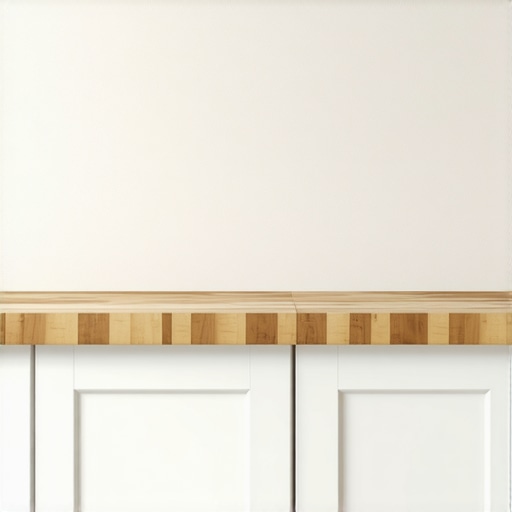
Precision isn’t just about looks; it’s about physics. When handles are misaligned, you apply uneven pressure to the drawer slides every time you pull. Over a decade, that tiny imbalance is the real reason your cabinet drawer slides are grinding or failing prematurely. By ensuring your pulls are perfectly centered and level, you are actually extending the mechanical life of your cabinetry components. #IMAGE_PLACE_HOLDER_D#
How can I keep my custom finish looking brand new?
This is the most common question I get once the plastic is off and the dishes are put away. Maintenance for high-end coatings isn’t about scrubbing; it’s about prevention. According to technical documentation from Blum, their hardware is tested for 200,000 opening and closing cycles, but that durability relies on the doors remaining balanced. If a door starts to sag, it puts torque on the lacquer at the hinge cup, which can lead to spider-web cracking. You also have to be careful with moisture. If you notice a spill, don’t let it sit; learning how to remove stubborn water rings from natural wood cabinet surfaces is helpful, but preventing them with a simple microfiber cloth and a pH-neutral cleaner is better. Never use furniture polish with silicone, as it creates a film that makes future touch-ups impossible.
Why Your Next Kitchen Will Probably Charge Your Phone
As we look toward the next few years, the biggest shift I’m seeing in smart storage solutions for small kitchens in 2025 is the integration of ‘invisible’ technology. We are moving away from cluttered countertops and toward cabinets that work harder. This is why every kitchen should have a dedicated charging station for laptops and devices hidden right inside a drawer. The trend is moving toward ‘stealth’ kitchens where everything from your toaster to your MacBook has a powered home, keeping the aesthetic of your ultimate guide to custom cabinets choices clean and uninterrupted. I predict we will see inductive charging built directly into the underside of the cabinet shelves within the next five years.
Before you consider the job finished, I want you to try one advanced tip that separates the pros from the dreamers. Grab a screwdriver and perform the 5-minute hinge adjustment for fixing wonky cabinet reveals. Even the best-installed cabinets settle after they are loaded with heavy plates. Taking five minutes to level those doors will make the entire room feel more expensive and well-crafted. If you find yourself stuck or planning your next big project, don’t hesitate to contact us to discuss how to make these storage dreams a reality in your own home.
The Three Hardest Lessons from My Painted Cabinet Failures
If I could go back to that cold January morning, I’d give myself three pieces of advice that would have saved me thousands. First, never trust the weather; your home is a dynamic environment, and wood movement is inevitable unless you use a stable hybrid of maple and HDF. Second, chemical cleanliness is non-negotiable. If you skip the de-greaser, your paint will eventually fail from the inside out. Finally, always buy 10% more hardware than you need. There is nothing worse than being one handle short of a finished project on a Sunday night. These insights are why custom cabinets as a game changer in your kitchen remodel journey only work when you respect the science behind the style.
The Gear That Separates Pros from Amateurs
To get these results at home, you need to look beyond the local big-box store. I rely on three specific resources: the True Position Drill Guide for hardware, the technical data sheets from Blum for hinge clearances, and high-performance post-catalyzed lacquers. When you understand transform your kitchen with custom cabinets expert guide for 2025, you realize that the tools you use determine the longevity of the finish. I personally trust these because they have been tested in real-world, high-traffic environments where standard tools and paints simply crumble.
Bring Your Dream Kitchen to Life
Your kitchen is the heart of your home, and it deserves a finish that doesn’t break your heart every time the seasons change. By choosing the right wood species and following a rigorous prep process, you can ensure your modern kitchen remodel featuring custom cabinets remains a source of pride for a lifetime. Don’t be afraid to demand better materials or to take that extra hour to get the sanding perfect. Have you ever had a painted finish fail on you after a cold winter? Let me know your experience in the comments below!