The Best Way to Hide Your Coffee Maker on the Counter
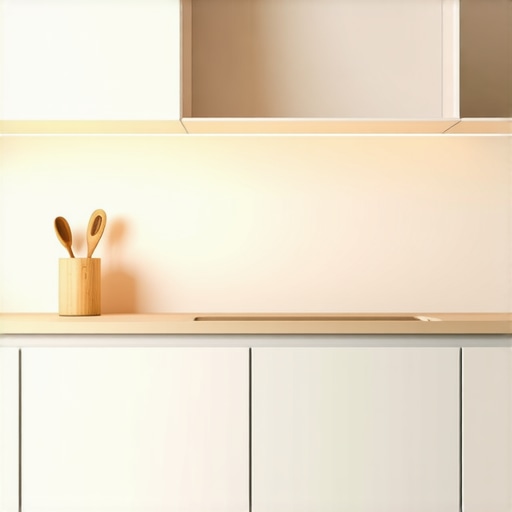
I remember walking into my kitchen at 6 AM, still blurry-eyed, and nearly tripping over a toaster cord while trying to reach my coffee maker. The counter was a disaster zone of chrome and plastic. I love my morning latte, but looking at that bulky machine felt like having a semi-truck parked in a compact-only parking space. Early on, I actually ruined a set of beautiful upper cabinets because I tucked my brewer into a tight corner without thinking about the steam—the moisture warped the wood within weeks. It was a painful, expensive lesson. Today, I’m going to show you how to tuck that brewer away so your kitchen looks like a showroom while still keeping your caffeine fix within reach. [image placeholder]
Stop Letting Your Coffee Maker Steal Your Counter Space
The ‘appliance creep’ is real. You start with a simple pot, and suddenly you have a grinder, a frother, and a scale taking over your prep area. When I started looking into smart storage solutions for small kitchens in 2025, I realized that the goal isn’t just to move the machine; it’s to integrate it into the workflow. Using custom cabinets as a game changer allows you to create dedicated zones where things like the coffee maker can live without being the center of attention. I’ve found that the best way to organize your small appliances is to think about how you move in the morning. If you have to walk across the room for a spoon, the system is broken.
Will Hiding My Brewer Just Make It Harder to Use?
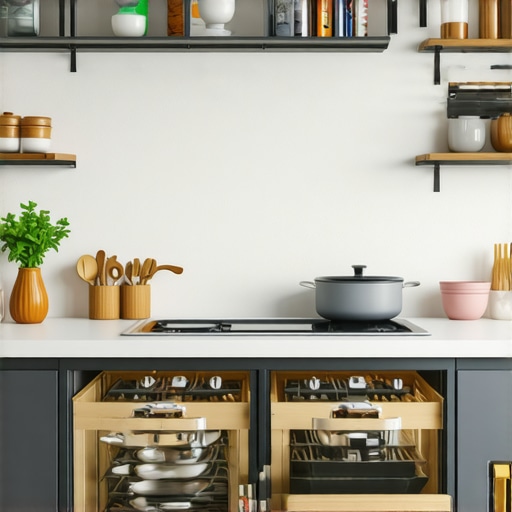
This is the number one skepticism I hear from my neighbors. They worry that if the machine is behind a door, they’ll never use it or that it will be a hassle to pull out every single morning. But with innovative storage solutions for modern kitchen remodels, like heavy-duty pull-outs or lift-up appliance garages, the machine is actually easier to access than when it’s shoved in a dark corner behind the fruit bowl. Have you ever felt like your kitchen gadgets are slowly winning the war for your counter space? I’d love to hear your biggest kitchen clutter frustration! According to the National Association of Home Builders, clutter-free surfaces and organized storage are the most requested features for 86% of homeowners during a renovation. It’s not just a trend; it’s about making your home a place where you can actually breathe and cook.
Mapping the power before the cabinets arrive
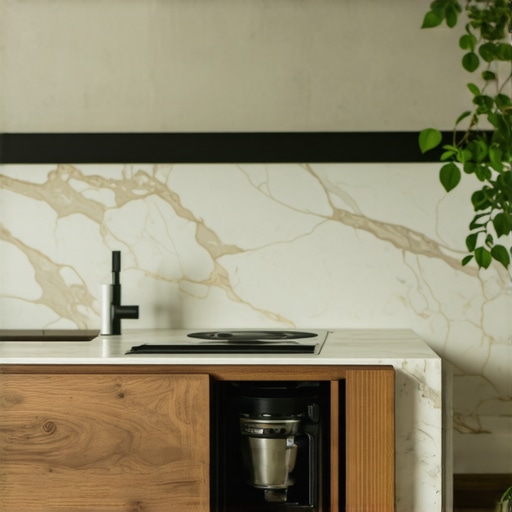
Your first move is mapping out the electricity. You can’t just shove a Keurig into a box and hope for the best. I learned this the hard way during a DIY project in 2018 when I realized I’d have to run an ugly orange extension cord through a jagged hole I cut in the back of a brand-new unit. It looked terrible and was a fire hazard. This is exactly why you need a flush-mount outlet inside your toaster garage from day one. It keeps the profile slim so the machine can sit all the way back against the wall, giving you those extra inches of prep space that feel like a luxury in a busy kitchen.
Which door style actually works for you?
Next, consider how the door opens. If you have a standard swing-out door, it’s going to be in your way while you’re trying to froth milk. It’s like trying to cook in a narrow hallway; every movement feels restricted. Instead, look for innovative storage solutions for modern kitchen remodels like pocket doors that slide back into the cabinet carcass or ‘tambour’ doors that roll up like a tiny garage. These are the true custom cabinets as a game changer because they disappear when you’re working and only reappear when the kitchen is closed for the night.
The secret to keeping steam away from wood
Moisture is the silent killer of high-end millwork. If you’ve ever seen a cabinet door with peeling paint or bubbly veneer right above a toaster or brewer, you know what I mean. I once watched a beautiful set of maple cabinets turn into a warped mess in a client’s home because they didn’t pull the brewer out far enough. To prevent this, you have to understand why your cabinet doors are warping and mitigate the risk. I recommend pull-out trays that extend at least six inches past the cabinet face. This simple mechanical addition ensures the steam rises into the open room air, not into your expensive shelving.
Move the heavy stuff without breaking your back
Finally, don’t ignore the sheer weight of your gear. A professional-grade stand mixer or a double-boiler espresso machine weighs more than a small dog. Trying to lift that from a deep base cabinet every time you want a muffin is a recipe for a pulled back or a broken appliance. I actually dropped a heavy mixer once—it didn’t survive, and neither did the flooring. The best way to store heavy small appliances in a base cabinet is by using a spring-loaded mixer lift. It does the heavy lifting for you, swinging the machine up and locking it at counter height. When you’re done, it tucks away with a gentle push. This is how you implement the best way to organize your small appliances: by making them serve you, rather than you serving them.
Don’t let ‘Custom’ become a functional nightmare
It is a common myth in the high-end design world that ‘custom’ is synonymous with ‘maximum capacity.’ I’m here to tell you that’s a dangerous path. True luxury in a kitchen isn’t about how much you can fit into a box; it’s about ergonomic clearance. I have seen countless homeowners optimize every square inch of their layout, only to realize too late that they can’t open their dishwasher and their pull-out trash bin at the same time. When you are transforming your kitchen with custom cabinets, the real skill lies in knowing when to leave space empty. Have you ever fallen into the trap of prioritizing a ‘look’ over the way you actually move? Let me know in the comments below!
Will your floor actually support that heavy storage upgrade?
This is a question almost no one asks until it is too late. If you are planning a massive island with double-thick quartz and enough built-ins and storage hacks to hold a full set of Le Creuset, you are looking at hundreds of extra pounds in a concentrated area. According to the National Kitchen & Bath Association (NKBA), structural floor reinforcement is one of the most overlooked costs in luxury remodels, yet it is vital for preventing sagging that can make your expensive drawers stick. Before you commit to those heavy-duty slides, check your joists.
The ‘Inset Door’ trap that catches most homeowners
We all love the look of inset doors—the way the door sits flush inside the frame like a piece of antique furniture. It is the gold standard for expert tips on selecting storage solutions. But here is the nuance: wood is a living material. If your home isn’t perfectly climate-controlled, those tight tolerances become a headache. I’ve visited homes where the doors were perfectly hung in January, only to have them rubbing and clicking in the July humidity. This is why your cabinet doors are warping or sticking, and why the secret to hanging inset doors without leaving a gap requires a professional who understands expansion gaps. 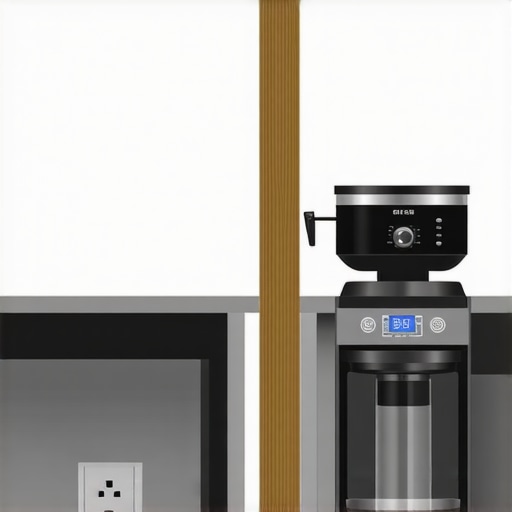
The depth mistake that ruins expensive appliances
The biggest ‘oops’ I see involves the depth of the cabinet versus the reality of the appliance. You might measure your microwave as 18 inches deep and build a 20-inch cabinet, but you’ve forgotten the plug. A standard three-prong plug adds nearly two inches to the back. If you don’t use a flush-mount outlet inside your toaster garage, that expensive door won’t close. Worse, appliances like steam ovens or high-end brewers generate significant heat that must dissipate. If you revolutionize your kitchen remodel using built-ins without an airflow plan, you are effectively slow-cooking your cabinet boxes from the inside out. Always look for why your custom cabinets should feature dovetail drawers and high-quality finishes, as they handle the stress of daily heat cycles much better than cheaper alternatives. Have you ever had a design look great on paper but fail in real life? I’d love to hear your stories.
Stop stripping your screws with the wrong tools
If you want to maintain your investment, you need a very specific kit. I never touch a high-end hinge with a standard Phillips head screwdriver, and neither should you. You need a PoziDriv #2. It looks nearly identical to a Phillips, but it has four additional ribs that prevent ‘cam-out’—the technical term for when your screwdriver slips and chews up the screw head. According to Blum’s official technical documentation for CLIP top BLUMOTION hardware, using the wrong driver is the leading cause of failed adjustments and stripped screw housings. This is essential knowledge for how to fix a cabinet hinge that squeaks every time without permanently damaging the mechanism. I keep a dedicated PoziDriv in my kitchen ‘junk drawer’ just for my cabinet doors. Using the right tool ensures that when your house settles, you can realign your doors in seconds rather than calling a contractor.
How do I maintain my custom storage over time?
Long-term beauty is about more than just avoiding scratches; it is about chemical compatibility. If you have matte finishes, you must avoid any cleaner with a high wax or silicone content, as these will leave ‘ghost’ streaks that are almost impossible to buff out. I’ve found that how to clean matte black cabinet hardware without scratches requires nothing more than a damp microfiber cloth and a drop of pH-neutral soap. When you are creating seamless kitchen remasters with built-in storage solutions, the goal is to keep the hardware movement fluid. Once a year, I recommend a tiny drop of dry-graphite lubricant on your heavy-duty drawer slides. Unlike oil, graphite won’t attract flour dust or pet hair, keeping your expert tips on selecting storage solutions relevant for decades.
Weight-sensitive shelving is the next big thing
The future of the kitchen is moving toward active inventory management. While we currently focus on physical space, the next five years will bring integrated load cells—weight sensors—built directly into your custom pantry shelves. Imagine your cabinet sending a notification to your phone when the olive oil bottle reaches 10% weight or when your flour stash is too low for Sunday pancakes. I am already seeing early versions of this in ultra-luxury smart storage ideas to maximize your kitchen space this year. This technology will eventually be standard, turning your storage into a proactive assistant rather than just a passive box. It changes the way we think about depth and accessibility because the cabinet itself will tell you what’s hidden in the back. Try this today: go to your heaviest pot-and-pan drawer, open it fully, and check if the center support screw has loosened. Give it a quarter turn with your PoziDriv; you will feel the difference in the ‘thud’ when it closes immediately.
3 Myths About Hidden Storage That I Had to Learn the Hard Way
Building a kitchen that looks like a magazine spread is one thing, but living in it is another. I used to think that every appliance needed to be behind a door to look ‘clean.’ The truth is, frequency of use should dictate visibility. If you make a three-minute espresso every morning, putting it behind a heavy, hard-to-open door will eventually make you resent your own kitchen. I’ve found that expert tips on selecting storage solutions always prioritize the ‘daily drivers’—the tools you touch every single day—placing them in the most accessible spots. Another lightbulb moment for me was realizing that ‘hidden’ doesn’t mean ‘unventilated.’ Without proper airflow, your high-end appliances will eventually cook the very cabinets meant to protect them. [image placeholder]
The Tiny Toolkit I Keep in My Junk Drawer for Cabinet Maintenance
You don’t need a garage full of power tools to keep your kitchen in showroom condition. I personally trust three simple items: a PoziDriv #2 screwdriver (never a Phillips head, which can strip your hardware!), a high-quality dry-graphite lubricant, and a stash of pH-neutral soap for those tricky matte surfaces. When you are creating seamless kitchen remasters with built-in storage solutions, these small investments prevent 90% of common hardware failures. I also highly recommend looking at the technical documentation from manufacturers; it is the gold standard for understanding how high-end hinges actually function under the stress of heavy appliance doors.
Reclaim Your Morning Routine with Intentional Design
Don’t let the fear of a messy counter stop you from enjoying your kitchen. Whether you are looking for smart storage ideas to maximize your kitchen space this year or deciding on the best way to store your stand mixer out of sight, the goal is peace of mind. Your home should be a place that recharges you, not a place where you’re constantly fighting for an inch of workspace. When you finally implement these custom cabinets, you aren’t just buying wood and hinges—you’re buying back your time and your sanity. Have you ever designed a storage spot that ended up being more of a hassle than a help? Let me know in the comments below!