The 3 Best Ways to Hide a Toaster on a Small Countertop
I stood in my kitchen last Tuesday, trying to roll out pizza dough, and I actually bumped into my toaster. Hard. Crumbs flew everywhere, and I realized my four-slice necessity was actually a countertop bully. It was taking up the only square foot of workspace I had left in my tiny kitchen. I had spent years just moving it from left to right, never actually solving the problem of its bulky footprint. That frustration is exactly why I started looking into smart storage solutions for small kitchens in 2025. Today, I’m sharing the three methods that finally cleared my decks. We aren’t just talking about shoving things in a cupboard and forgetting them; we are talking about modern kitchen remodels featuring custom cabinets and built-ins that make your space feel twice as big. Have you ever felt like your small appliances are slowly winning the war for your counter space? [image]
The Appliance Garage is Your New Best Friend
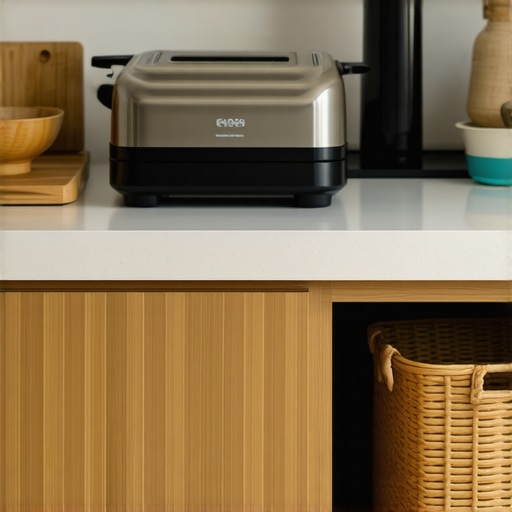
My biggest mistake early on was thinking a cheap plastic bin from a big-box store would solve my clutter. It didn’t. It just made the kitchen look like a disorganized storage unit. I eventually realized that the most elegant solution is the classic appliance garage. According to the National Kitchen & Bath Association (NKBA), nearly 50% of homeowners now prioritize clutter-free surfaces in their design plans because a clear counter significantly reduces cooking stress and improves kitchen ergonomics. When I first looked at custom cabinets as a game-changer, I realized that a dedicated cubby with a tambour or flip-up door could keep my toaster plugged in and ready but completely out of sight. It was a lightbulb moment. If you are tired of the mess, looking into a hidden toaster dock is the first step to regaining your sanity.
Is hiding appliances really worth the extra cabinet cost?
I get it. You’re worried that adding specialized nooks will blow your budget or take up too much interior cabinet space. I felt the same way until I realized how much time I wasted moving things around just to make a sandwich. When you opt for kitchen remodel using built-ins and creative storage, you aren’t just buying boxes; you’re buying a workflow that actually works for your lifestyle. Instead of a toaster sitting in a pile of its own crumbs on your beautiful granite, it lives in a purpose-built home that keeps the mess contained. The investment pays for itself every time you look at your clean, expansive countertop and actually have room to chop a vegetable.
Stop the Countertop Tug-of-War with Mechanical Lifts
I remember the exact moment I gave up on my old kitchen layout. I was trying to lug a 20-pound stand mixer out from a bottom cabinet, and I felt a sharp pinch in my lower back that stayed with me for three days. It was a messy, painful reminder that kitchens should work for us, not against us. This is where innovative storage solutions for modern kitchen remodels transition from ‘nice to have’ to absolute necessities. The heavy mixer lift is the ultimate solution here. Think of it as a spring-loaded elevator for your heaviest gear. It stays hidden behind a standard cabinet door, but with a gentle pull, it swings up and locks at counter height, ready for action without you ever having to lift more than a pound of flour. This single addition is one of the most effective smart storage ideas to maximize your kitchen space this year because it converts dead air into a functional workstation. If you are planning a layout, knowing the heavy mixer lift mechanics can save your physical health and your granite surfaces from accidental scratches. 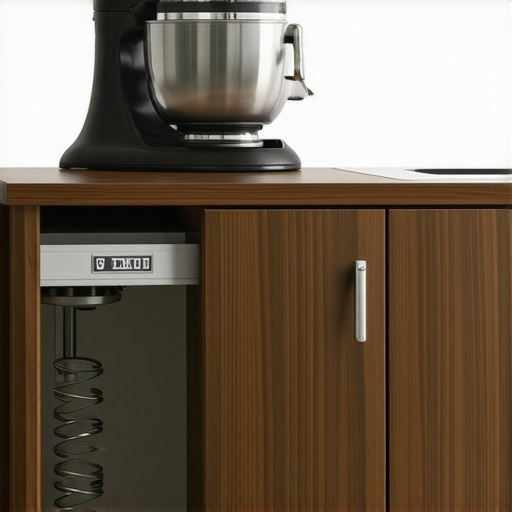
Ditch the Lazy Susan for something that actually works
We have all lived through the ‘Black Hole’ of the corner cabinet. I used to have a standard plastic Lazy Susan, and every time I spun it, a lid would fly off and wedge the whole mechanism shut. I’d end up on my hands and knees with a flashlight, frustrated and covered in dust. When you move toward modern kitchen remodels featuring custom cabinets and built-ins, you should replace those spinning traps with kidney-shaped pull-outs. Unlike a Lazy Susan, these heavy-duty trays extend completely out of the cabinet. It’s like having your shelves come to you. Understanding why kidney-shaped pull-outs are superior is the key to never losing a crockpot in the dark corners of your kitchen again.
The Library Method for your baking sheets
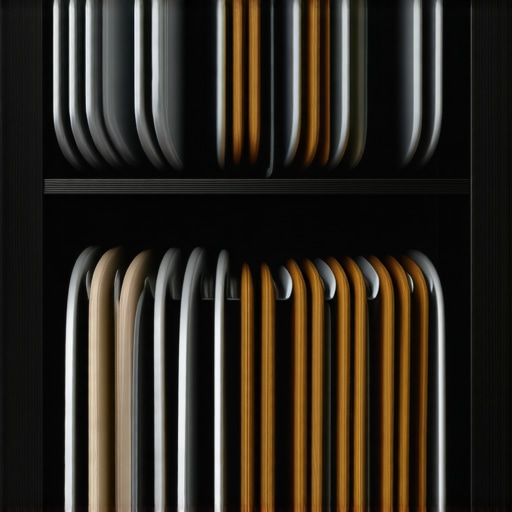
Most people stack their baking sheets like pancakes, which leads to that deafening metal-on-metal clatter every time you need a single tray. I spent years digging through a leaning tower of cookie sheets until I realized I should be treating them like books. By installing the vertical cookie sheet divider, you create narrow slots that keep each tray upright and independent. This is a core component of built-ins and storage hacks for a sleek functional kitchen because it eliminates the ‘avalanche’ effect in your cabinets.
Organize by what you cook instead of what fits
I used to organize my pantry by can size—big ones in the back, small in front. I ended up buying three jars of cumin because I couldn’t see what I already had. The breakthrough came when I switched to the pantry zone method. Instead of grouping by container, group by activity. All my baking supplies—flour, sugar, yeast—live in one zone. All my ‘Taco Night’ ingredients live in another. This works best when you use adjustable shelf tracks, allowing you to change the height of your zones as your shopping habits evolve.While everyone tells you to fill every inch of wall space with boxes, I’ve found that over-filling actually shrinks your room’s soul. One of the biggest misconceptions I see is the obsession with those ultra-narrow spice pull-outs. They look great on Pinterest, but why narrow spice pull-outs are often harder to use than you think comes down to basic visibility. If you have to crouch and squint just to find the paprika because it’s buried behind the salt, the storage has actually failed its primary job. Instead of cramming in a 3-inch pull-out that limits your access, I often recommend the hidden pantry secret where you turn a small wall gap into a fully visible, shallow spice wall. It’s about accessibility, not just ‘hiding’ things.
The Myth of the Perfectly Narrow Spice Cabinet
Beyond just spices, there’s an ‘Oops’ factor that breaks hearts—and remodeling budgets—every year. Many homeowners choose their cabinet finishes based on a tiny swatch in a showroom without considering the thermal environment of a working kitchen. For instance, why your canton kitchen remodeling project should skip cheap thermofoil near the oven is a lesson usually learned through peeling edges and unsightly bubbling. High-heat zones require specialized, heat-resistant materials, yet I see people prioritize the ‘clean look’ of thermofoil over the engineering reality of a 450-degree oven vent. It is an expensive mistake to fix once the damage is done.
Why Cheap Finishes Melt Under Pressure
When you dive into custom cabinets, you are paying for the science of the build, not just the aesthetic. We also need to talk about the weight-bearing reality of drawers. I often see homeowners load up 36-inch wide drawers with heavy cast iron pots, only to have the bottoms sag or the slides grind within six months. This happens because standard slides aren’t rated for that kind of leverage. Understanding why your trash pull-out needs a bottom-mount slide for better weight handling applies to your heavy pot drawers too; the physics of the mechanical slide matters as much as the wood.
Can your cabinet boxes actually handle the weight of modern stone counters?
This is a question most people ignore until they see a hairline fracture in their expensive quartz or granite. According to the Woodwork Institute, a standard base cabinet should be engineered to withstand significant static loads, yet many mass-produced ‘contractor grade’ units rely on thin 1/8-inch backs and industrial staples. This is exactly why plywood box construction still beats particle board for kitchens, especially in wet areas or when you are planning for heavy natural stone. If you go cheap on the ‘bones’ of your cabinets, the beautiful ‘skin’ of your kitchen will eventually sag. When you are looking for expert tips on selecting storage solutions for a perfect kitchen upgrade, always ask about the joinery methods and the thickness of the box walls, not just the paint color. 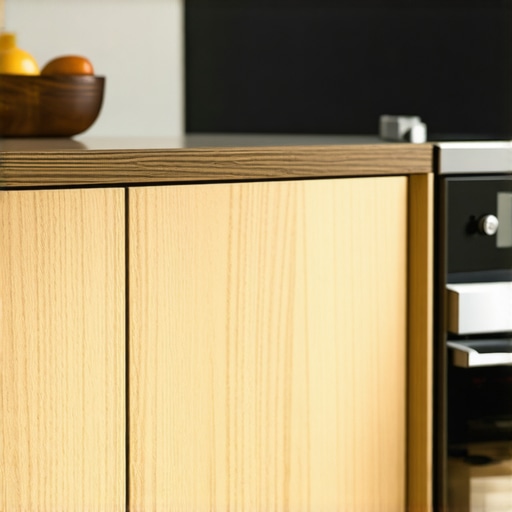 Another nuance often missed is what I call the ‘depth trap.’ We assume 24 inches is the gold standard for base cabinets because that’s what the big-box stores sell. However, the cabinet depth secret for storing large pizza stones and trays is that sometimes, even a half-inch of extra clearance makes the difference between a door that closes flush and one that stays perpetually ajar. These granular details are what separate true modern kitchen remodels featuring custom cabinets and built-ins from a standard update. Have you ever fallen into the trap of buying a ‘gadget’ cabinet that looked great in the brochure but just gathered dust in your house? Let me know in the comments.
Once the dust settles on your modern kitchen remodels featuring custom cabinets and built-ins, the focus shifts from installation to preservation. I have seen too many beautiful spaces lose their luster because the homeowner didn’t know that even the most expensive hardware requires a bit of love. Soft-close hinges and drawer slides are mechanical wonders, but they are also magnets for fine dust and kitchen grease. If you’ve noticed your doors aren’t snapping shut like they used to, you need to know why your slow-close hinges are suddenly sluggish and how to clean them properly. It’s usually not a broken spring; it’s just physics and friction working against you. According to the Kitchen Cabinet Manufacturers Association (KCMA) A161.1 standards, drawers must survive 25,000 cycles of opening and closing, but that durability assumes a clean environment. In a real-world kitchen, a few crumbs in the track can cut that lifespan in half.
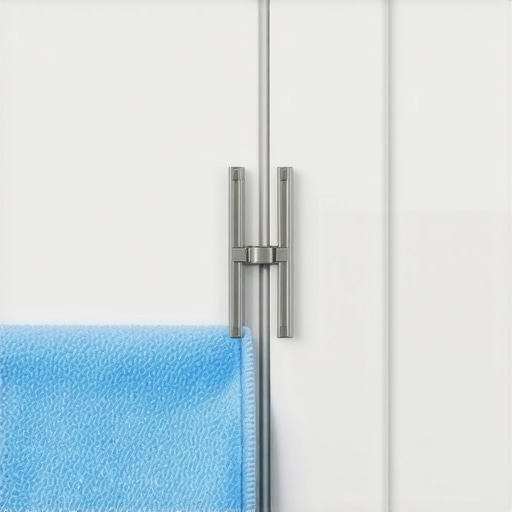
When it comes to scaling your storage or adding new pieces later, consistency is your best friend. I never start a project without my favorite alignment jig. If you want a professional look, the one tool you need for perfectly aligned cabinet knobs every time is a metal-bushed drilling template. I personally use the True Position Drill Guide because it eliminates human error and ensures that a drawer pull installed in 2025 matches the one you might add in 2027 perfectly. Relying on a tape measure and a pencil is a recipe for ‘ghost holes’ that you’ll have to wood-fill and paint over later.
How do I keep my high-end kitchen hardware moving like new?
Maintenance shouldn’t be a weekend-long chore. I recommend a ‘Slide and Glide’ check every six months. Pull your drawers out to their full extension and wipe the tracks with a dry microfiber cloth. If you notice grinding, don’t reach for the WD-40—that actually attracts more grit. Instead, learn why your soft-close slides are failing and the quick cleaning fix involving pressurized air and silicone-based dry lubricants. Similarly, for the wood itself, avoid harsh chemicals. Knowing how to remove stubborn water rings from natural wood cabinet surfaces using a simple mixture of oil and vinegar can save your finish without stripping the lacquer. This proactive approach is a core part of expert tips on selecting storage solutions for a perfect kitchen upgrade because the best storage is the kind that stays functional for decades.
Looking toward the future, I predict we are going to see a massive shift toward ‘smart’ hardware—slides and hinges with built-in sensors that notify your phone when they require lubrication or when a drawer is overloaded. We are already seeing this in commercial refrigeration, and it’s only a matter of time before it hits smart storage ideas to maximize your kitchen space this year. For now, the most advanced tip I can give you is this: tonight, take five minutes to vacuum out the tracks of your heaviest pot drawer. You’ll hear the difference immediately and save your slides from a premature death. If you’re ready to take the next step in your home’s evolution, check out our guide on transform your kitchen with custom cabinets to see how the ‘bones’ of your kitchen can support a lifetime of use.
The Hardest Lesson I Learned While Wrestling My Countertop
Looking back at my crumb-covered toaster incident, I realize now that I was trying to fit my life into a kitchen designed for someone else. One of the most significant lightbulb moments I had was discovering that even the floor has storage potential; you can install a secret toe-kick drawer for spare keys and flat items to use every square inch of your room. I also learned that if you don’t plan for the lights, you’ll never see your hard work. Understanding why under cabinet lighting should always be recessed changed the entire mood of my evening meal prep. Finally, don’t let small details ruin a big investment—avoiding the hardware mistake that makes expensive cabinets look cheap is about choosing the right weight and finish to match your wood’s quality. [image]
My Non-Negotiable Kit for a Functional Kitchen
I don’t recommend products unless I’ve seen them survive a Tuesday night dinner rush. My toolkit always includes the True Position Drill Guide for perfect alignment and a high-quality silicone-based dry lubricant for drawer maintenance. I also suggest keeping a set of wood-finish touch-up pens nearby—life happens, and being able to hide a small scratch instantly keeps your space looking pristine. For those still in the planning phase, I highly recommend checking out the NKBA guidelines for kitchen ergonomics; they provide the scientific backing for why we place things where we do. If you need personalized advice on where to start, you can always reach out to us directly to discuss your specific layout and storage needs.
Your Kitchen is Waiting for Its Second Act
Transforming your home isn’t just about picking out a new paint color or a trendy backsplash. It’s about creating a space that breathes with you and supports your daily rhythms rather than hindering them. When you commit to modern kitchen remodels featuring custom cabinets and built-ins, you are investing in your own peace of mind and the long-term value of your home. You deserve a kitchen where the only thing you’re bumping into is a new recipe, not a bulky appliance. Which of these storage struggles is currently your biggest headache? Let me know in the comments below!