The Reason Your Cabinet Doors Are Slamming Despite Having Soft-Close Hinges
I remember the night I finally finished my first big kitchen upgrade. I had installed these beautiful, expensive doors and spent a fortune on high-end hardware. I spent an hour showing my neighbors how the doors would glide shut with a gentle, silent whisper. Then, about six months later, I went to grab a late-night snack and—THUD. The spice cabinet door didn’t just close; it practically threatened to crack the frame. I stood there in the dark, feeling like a total amateur while the dog barked at the noise. If you have ever stood in your kitchen, staring at a door that is supposed to be “smart” but acts like a heavy-handed teenager, you are not alone. We buy into the dream of a silent home, yet often end up with a rhythmic banging that drives us crazy.
It Is Usually Not a Hardware Failure
Most people assume they got a lemon or that their custom cabinets are somehow settling strangely. In reality, it is usually something much simpler and far more fixable. When I first started working with built-ins and storage hacks, I made the rookie mistake of thinking all soft-close hinges were “set it and forget it” components. I did not realize that humidity, kitchen grease, and even the weight of the items you store on the door can change the physics of that tiny hydraulic piston. I once spent two hundred dollars replacing a whole set of hinges only to find out that a simple cleaning would have saved me the cash. This is why I always tell my neighbors to check for why your slow close hinges are suddenly sluggish before grabbing the drill.
Are these fancy hinges actually worth the extra money?
You might be wondering if you should just go back to the old-school felt bumpers and call it a day. I get the skepticism, but you do not have to give up on the silence. The issue usually boils down to why soft-close hinges fail and the simple tension adjustment that most homeowners simply do not know exists. Interestingly, data from the Builders Hardware Manufacturers Association indicates that while quality hinges are tested for over 25,000 cycles, the viscosity of the damping fluid inside the hinge can be drastically affected by ambient kitchen temperatures. This means your cabinets might literally act differently in the dead of winter than they do in a humid July. Have you noticed your doors getting louder as the seasons change or after a particularly heavy cleaning session? Let’s dive into the mechanics of why that piston is giving up on you and how to restore that luxury feel without calling in a professional.
Start With a Deep Clean Before Replacing Anything
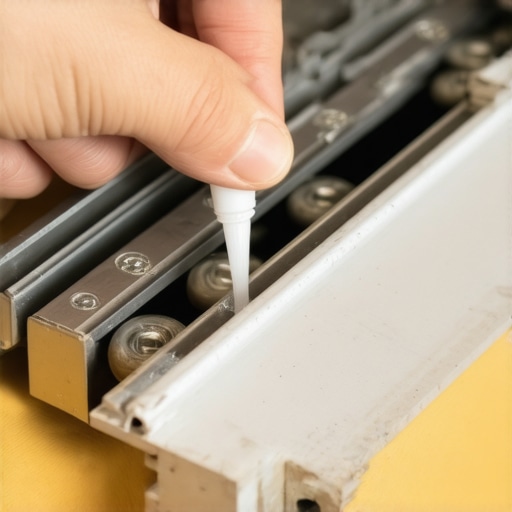
Before you grab a screwdriver, grab some dish soap and a microfiber cloth. In most modern kitchen remodels featuring custom cabinets and built-ins, the proximity of the stove to the cabinets means a fine mist of aerosolized grease eventually settles on everything. This grease acts like a magnet for dust, creating a sticky sludge inside the hinge’s hydraulic chamber. If your door is hanging open or closing at a snail’s pace, it is often because the piston cannot retract through that gunk. I once spent an entire Saturday morning troubleshooting a client’s pantry in Novi, convinced the hardware was defective. After five minutes of wiping down the hinge arms with a degreaser, the doors glided shut perfectly. You can avoid a massive headache by learning why your slow close hinges are suddenly sluggish and how to clean them before you assume the hardware is toast.
Find the Adjustment Tab to Set Your Own Speed
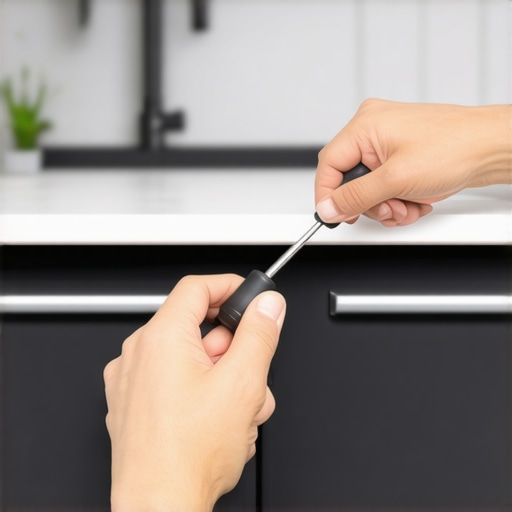
Most homeowners do not realize that high-quality soft-close hinges are not static; they are adjustable. If you look closely at the hinge cup—the part recessed into the door—you will often see a small plastic slider or a brass screw. This is the tension control. If your door is slamming, the tension is too low; if it won’t close all the way, the tension is too high. Think of it like the brakes on a bicycle; they need to be dialed in to match the weight they are stopping. This is a common point of confusion regarding why soft-close hinges fail and the simple tension adjustment that fixes the issue in seconds. Slide that tab toward the ‘+’ or ‘-‘ sign and test the swing. You want the door to move freely for the first 70% of its arc before the hydraulic brake takes over for the final, silent landing.
Getting Your Doors Back Into a Straight Line
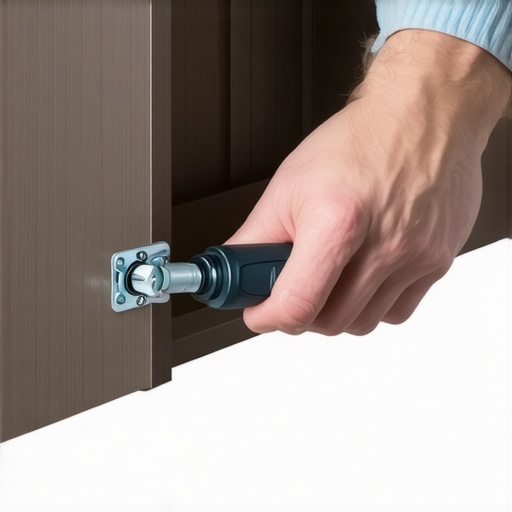
Sometimes the banging isn’t a failure of the soft-close mechanism at all, but a simple alignment issue. When doors sag over time due to heavy use or humidity, they start to strike the cabinet frame or the neighboring door before the hinge can do its job. This is particularly noticeable in high-end setups like modern kitchen remodels featuring custom cabinets and built-ins where the tolerances are very tight. Use the three adjustment screws on the hinge arm to move the door up, down, left, or right. If you are struggling with a door that looks tilted, you need to know how to adjust european hinges when your doors are crooked to restore that seamless look. I remember a kitchen where the homeowner thought the house was settling because the doors wouldn’t shut. A half-turn on the depth screw moved the door just enough to clear the frame, and the ‘broken’ hinges suddenly worked like new again.
Why Door Weight Changes Everything
If you have recently added heavy organizers to the back of your cabinet doors, you have effectively changed the physics of your cabinetry. Those hinges were likely rated for the weight of the door alone. When you add three pounds of spices or a heavy cutting board rack, the piston can no longer provide enough resistance. This is where expert tips on selecting storage solutions for a perfect kitchen upgrade become vital; you have to ensure your hardware matches your lifestyle. If cleaning and adjusting doesn’t work after you have loaded up the door, you might simply need a hinge with a higher Newton rating to handle the new load.
Let’s dig deeper into the technical side of things because this is where the real longevity of your kitchen is decided. Many homeowners believe that ‘solid wood’ is the ultimate marker of quality, but that is actually a common misconception in the world of high-end cabinetry. In reality, why we recommend plywood shelves over solid wood for long spans is all about stability. Solid wood is a ‘living’ material that reacts to every drop of humidity in your home. If you use it for a long pantry shelf, it will eventually bow under the weight of your small appliances. Plywood, however, uses cross-grain layering to resist that warping, ensuring your storage remains level for decades. 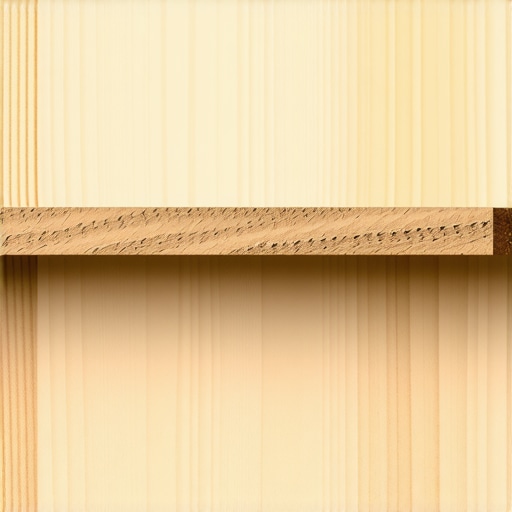
The Moisture Trap That Rots Cabinet Bases Quietly
One of the most expensive mistakes I see is the ‘wet area’ oversight. People spend thousands on creating seamless kitchen remasters with built-in storage solutions but forget to protect the base of the sink cabinet. This is where why plywood box construction still wins over furniture board in wet areas becomes obvious. Furniture board—often used in big-box store cabinets—acts like a sponge when a pipe leaks, expanding and crumbling almost instantly. Even with custom builds, you must ensure you have proper protection. I always tell my clients why you need a waterproof liner in your sink base cabinet before the first dish is ever washed to prevent structural rot that starts from the floor up.
How do I keep my inset doors from sticking during a humid summer?
If you have opted for the high-end look of inset cabinetry, you might notice your doors sticking when the weather turns muggy. This isn’t a defect; it’s physics. The gap between the door and the frame—the reveal—is usually only 1/8th of an inch. According to the Kitchen Cabinet Manufacturers Association (KCMA) ANSI/KCMA A161.1 standards, wood can expand significantly across its grain depending on environmental exposure. To handle this, you need to understand the inset cabinet gap re-aligning doors after seasonal humidity changes to keep everything flush without sanding down your expensive finish. Often, a simple adjustment of the hinge plate is all that is required to restore the perfect gap. Have you ever fallen into the ‘solid wood is always better’ trap only to see your shelves sag or your doors bind a year later? Let me know in the comments below.
The One Screwdriver That Actually Fits Your Hinges
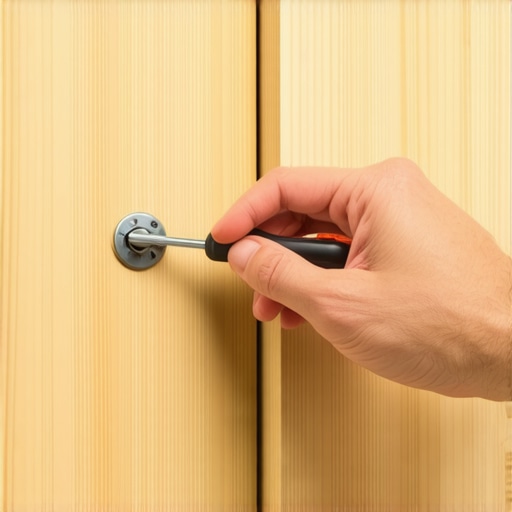
I cannot tell you how many homeowners I have seen ruin their expensive hardware using a standard Phillips-head screwdriver. If you look closely at the screws on your European hinges, you will see a small star-shaped tick mark between the main crosses. That is a PoziDriv screw. Using a standard Phillips bit is the fastest way to strip the head, leading to a nightmare when you actually need to make an adjustment. I keep a dedicated #2 PoziDriv driver in my kitchen junk drawer specifically for modern kitchen remodels featuring custom cabinets and built-ins. It grips the screw much tighter, preventing the ‘cam-out’ effect that rounds off the metal. If you have already made this mistake, you should learn how to repair a stripped screw hole in a cabinet door before the hinge loses its grip entirely.
Tighten Your Screws Before the Hinge Sags
Vibration from daily use—opening and closing doors, the hum of the dishwasher, even walking on the floor—slowly backs out the screws holding your hardware in place. I make it a habit to do a ‘torque tour’ of my kitchen every six months. According to the Blum 2024 Technical Manual, over-tightening can be just as damaging as leaving screws loose, as it compromises the integrity of the pilot hole in the wood. A simple hand-tighten is all you need to prevent the cabinet screw mistake that causes heavy drawers to fail. This is especially true for heavy built-in storage solutions that hold stacks of dinnerware; the weight puts constant downward pressure on those mounting plates.
How do I maintain my custom cabinet finish over the years?
Maintenance is not just about the moving parts; it is about protecting the surface. Avoid using any cleaners with wax or silicone, as these create a build-up that makes it impossible to touch up the paint or stain later. Instead, use a damp microfiber cloth with a drop of mild dish soap. This is crucial for high-touch areas in transform-your-kitchen-with-custom-cabinets-expert-guide-for-2025. If you have chosen a smooth surface, you likely know why painted maple beats oak for a smooth cabinet finish, but even the hardest maple can chip if hit with a heavy cast-iron pan. Keep a small bottle of color-matched touch-up paint on hand to seal any nicks immediately, preventing moisture from getting under the finish and causing the wood to swell.
Smart Sensors Are the Future of Kitchen Upkeep
As we look toward the next few years, I predict we will see a massive shift toward integrated cabinet health monitoring. I have already started installing small, Wi-Fi-enabled humidity sensors inside sink bases for my clients. These sensors alert your phone the moment a leak is detected, which is the ultimate way to support smart storage ideas to maximize your kitchen space this year. Catching a leak in the first ten minutes can save you ten thousand dollars in cabinetry replacements. It is the natural evolution of expert tips on selecting storage solutions for a perfect kitchen upgrade—moving from aesthetic beauty to long-term structural intelligence. Take ten minutes this weekend to grab a screwdriver and check the tension on your most-used cabinet door; it is the easiest bit of preventative maintenance you can do.
The Hardest Lessons I Learned Managing High-End Hardware
After years of working on high-end installs, I’ve realized that the ‘best’ hardware is only as good as the box it is screwed into. If you have ever wondered why plywood box construction still beats particle board for kitchens, just look at the screw holes of a door that has been ripped off its hinges. Particle board simply does not have the ‘bite’ to hold a heavy soft-close mechanism over time. Another lightbulb moment? Seasonality is real. Your cabinets are a living part of your home, and they need a little breathing room—or a tiny adjustment—as the seasons shift. Finally, never underestimate the power of a simple cleaning; ninety percent of ‘broken’ hinges are just dirty.
The Three Tools I Keep in My Kitchen Junk Drawer
I do not believe in buying every gadget on the shelf, but these three items have saved my sanity more than once. First, a dedicated PoziDriv screwdriver is non-negotiable if you want to avoid stripping your hardware. Second, I always explain why you need a waterproof liner in your sink base cabinet to every client I work with; it is the cheapest insurance policy against cabinet rot. Lastly, a simple microfiber cloth and a gentle degreaser are more valuable than a drill when it comes to maintaining that silent glide. I trust these because they address the root causes of failure—moisture, friction, and mechanical wear—rather than just masking the symptoms.
Build a Legacy of Silence in Your Kitchen
Your home should be a sanctuary, not a source of frustration every time you reach for a coffee mug. Taking twenty minutes to realign a door or tighten a hinge is not just about maintenance; it is about protecting the investment you made in your kitchen remodel. When you treat your cabinetry with a bit of respect and technical care, it rewards you with years of effortless function. Don’t wait for a door to fall off its hinges—start your ‘torque tour’ today and feel the difference that a well-tuned kitchen makes in your daily life. Have you ever had a cabinet door that drove you absolutely crazy with a mystery noise? Let me know in the comments below!