Why Your Soft-Close Slides Grind and the Quick Lubrication Fix
There I was, 6:00 AM, trying to sneak a spoon out of the drawer for my coffee without waking the whole house. Instead of that buttery, silent glide I paid so much for during my last kitchen remodel journey, I got a sound like a gravel truck dumping its load. It was a high-pitched, metallic ‘skree’ that set my teeth on edge. My beautiful, expensive soft-close slides were grinding. I’d spent years telling people that solid oak drawers are worth the extra cost, yet here I was, defeated by a piece of hardware. If you’ve ever felt that vibration through the handle—that gritty, ‘something is wrong’ sensation—you aren’t alone. Today, I’m going to show you exactly how to silence that grit and get back to the peace and quiet you deserve.
That Grating Sound in Your Kitchen Is Not Just Your Imagination
Most folks assume that once they install modern kitchen remodels, the hardware is set for life. I used to think the same thing. In fact, when I first started tinkering with cabinetry, I made the classic rookie mistake of spraying a bunch of WD-40 into the tracks of a sticky drawer. Big mistake. According to hardware engineering experts at Blum, using the wrong lubricants can actually attract more debris, turning your high-tech slides into a sandpaper sandwich. The real culprit is usually a mix of sawdust from the installation or just the everyday kitchen ‘gunk’ that finds its way into the ball bearings. This is especially true for a trash pull-out that needs a bottom-mount slide to handle the heavy lifting; if those bearings get dry or dirty, you’ll feel it every time you toss a coffee pod.
Is a Professional Repair Actually Worth the Cost?
You might be sitting there thinking you need to call in a cabinet maker or order $200 in replacement hardware. I get it; the fear of ‘breaking’ a soft-close mechanism is real. These things look like clockwork inside. But before you reach for your wallet, let me tell you: 90% of the time, the real reason your cabinet drawer slides are grinding is just lack of maintenance. It’s a thirty-minute job, tops. Have you noticed your drawers getting louder lately, or are they starting to ‘catch’ halfway through the close? Drop a comment and let me know—I bet I can help you troubleshoot the specific noise you’re hearing.
Stop the Friction Before It Ruins the Slides
If you let that grinding go on for too long, you’re not just dealing with a noise; you’re physically wearing down the metal tracks. When I was building built-ins and storage hacks for my first client, I ignored a slight squeak in a pantry slide. Six months later, the ball bearings were literally falling out onto the floor. To avoid that, we need to talk about the quick cleaning fix that clears out the grit before we even think about adding fresh grease. We’re going to look at how to pull those drawers out safely—without ripping the screws out of the cabinet box—and get those tracks looking like new again. This isn’t just about peace and quiet; it’s about protecting the investment you made when you chose custom cabinets to transform your home style. A little bit of the right lubricant in the right place can extend the life of your hardware by a decade.
Pop the Release and Save Your Back
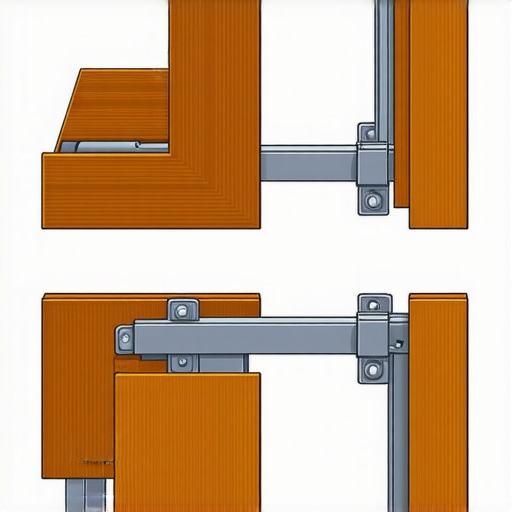
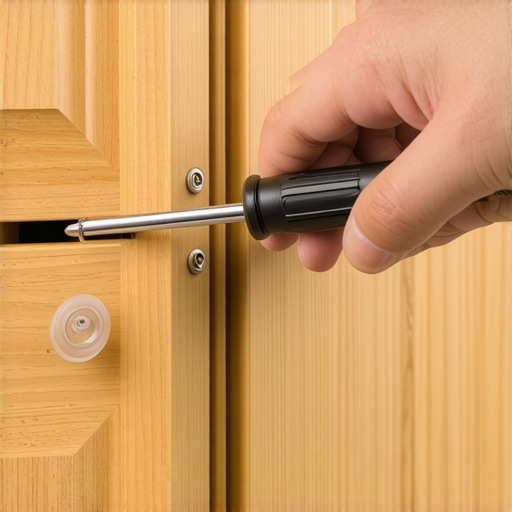
The first hurdle is actually getting the drawer out of the frame without causing a catastrophe. Most modern high-end slides use a trigger-release system tucked underneath the drawer box. I remember trying to brute-force a heavy pot drawer during a project involving modern kitchen remodels featuring custom cabinets and built-ins—I nearly ripped the face frame right off because I didn’t realize there was a secondary locking pin. Don’t be like younger me. Reach under the front of the drawer, find the plastic levers, and squeeze them simultaneously. The drawer should pop upward and slide right out. If you are handling solid oak drawers that are worth the extra cost, be prepared for the weight. These aren’t flimsy particle board; they have some real heft, and dropping one can easily dent your flooring or misalign the tracks.
Dust Is the Enemy of Smooth Motion
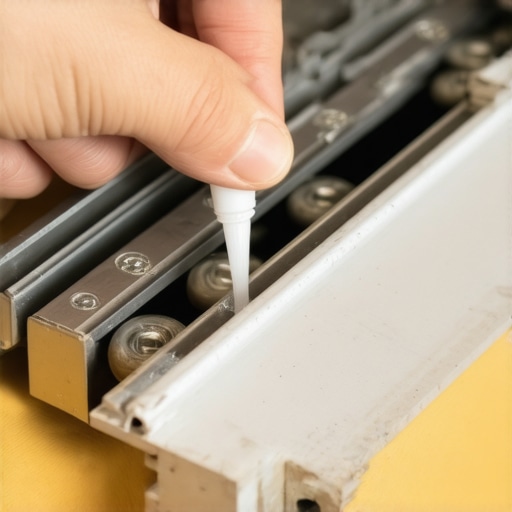
Once the drawer is out, take a hard look at the tracks. You’ll likely see a greyish, sticky sludge. That’s a mix of old factory grease and household dust. In my early days, I thought a quick wipe with a paper towel was enough, but that just pushes the grit deeper into the ball bearings. Use a can of compressed air first to blow out the loose debris. If the gunk is stubborn, a soft toothbrush dipped in a tiny bit of mineral spirits will break down the residue without damaging the metal. This is a crucial part of the quick cleaning fix that most people skip. When I was building built-ins and storage hacks for a sleek functional kitchen, I found that even a single grain of drywall sand could make a $100 slide sound like a rusted gate.
Grease It Right or Prepare to Replace It
Now for the part where most DIYers go wrong: the lubricant. You want a high-quality dry silicone spray or a white lithium grease. Avoid anything that stays ‘wet’ or ‘oily’ because it will just act as a magnet for more kitchen flour and pet hair. Apply a small bead of grease along the ball bearing race. I once tried to fix a ‘squeak’ in a hurry using vegetable oil from the pantry—it worked for three days before turning into a literal glue that seized the drawer shut. Learn from my mess. While you have the drawer out, check the mounting screws. Often, the real reason your cabinet drawer slides are grinding is a screw that has backed out just a millimeter, causing the metal components to rub. Tighten everything down, but don’t overdo it, or you’ll risk the cabinet screw mistake that causes heavy drawers to fail by stripping the wood.
Check the Alignment Before Reinstalling
Before you slide that drawer back home, look at the cabinet’s interior. Are the tracks level? If your house has settled, your custom cabinets as a game changer might have shifted slightly. A tiny adjustment to the rear mounting bracket can solve a world of grinding issues. This level of detail is what separates a basic fix from a professional-grade perfect kitchen upgrade. When you slide the drawer back in, listen for the ‘click’ that signals the locking mechanism has engaged. Close it slowly the first time to let the soft-close piston reset itself and enjoy the silence you’ve worked for.
Most people assume that more depth equals better utility. It’s a logical thought, right? If I have a 24-inch deep cabinet, I should use every inch. But in my experience, deep shelves are where jars of pickles go to retire and forgotten spices lose their punch. If you can’t see it, you won’t use it. This is why a pull-out pantry beats deep walk-in shelves for visibility every single time. It’s not about the volume of space; it’s about the ‘retrievability’ of your items. When you are planning innovative storage solutions for modern kitchen remodels, the goal should be bringing the items to you, not forcing you to dive headfirst into a dark corner with a flashlight.
Why Do My Soft-Close Drawers Still Slam When They Are Brand New?
It is incredibly frustrating to invest in a perfect kitchen upgrade only to have a drawer bounce back or slam shut. The ‘nuance’ most homeowners miss is the tension setting. High-end brands like Blum and Grass actually have adjustable tension tabs on the piston itself. If your drawer is too light, the piston won’t engage; if it’s too heavy, the piston bottoms out. According to the Kitchen Cabinet Manufacturers Association (KCMA) performance standards, residential drawer slides are typically rated for 75 to 100 pounds. However, this rating includes the weight of the drawer box itself. If you’ve opted for solid oak drawers that are worth the extra cost, you are already starting with a much heavier base weight than someone with thin plywood boxes. You must adjust the hardware tension to account for that extra mass, or the soft-close mechanism will fail prematurely.
One major ‘trap’ that even seasoned DIYers fall into is the mounting screw choice. If you use a screw with a head that is just a fraction of a millimeter too tall, it will rub against the ball bearing carriage every time the drawer moves. This creates a rhythmic ‘click-click-click’ that people often mistake for a broken slide. Always use flat-head or undercut screws to ensure they sit perfectly flush with the metal track. I’ve seen beautiful built-ins and storage hacks for a sleek functional kitchen ruined because a single proud screw head eventually chewed through the plastic spacer in the slide. This is often the cabinet screw mistake that causes heavy drawers to fail and it is a nightmare to fix once the tracks are gouged. Have you ever fallen into this trap of over-packing a drawer until the hardware screamed or noticed that annoying rhythmic clicking? Let me know in the comments—I’d love to hear your hardware horror stories.
Finally, remember that humidity is the silent enemy of hardware alignment. Wood expands and contracts, which is why solid wood door panels still need room to breathe in summer. If your drawers are grinding only during the humid months, it’s likely not the grease—it’s the wood box swelling and rubbing against the cabinet frame. Taking the time to properly seal the end-grain of your drawer boxes during a kitchen remodel journey can prevent this seasonal friction and keep your hardware gliding as silently as the day it was installed.
The Maintenance Kit I Keep in My Truck
I’ve learned the hard way that a beautiful kitchen is only as good as its longest-lasting screw. When I’m on a job site, my go-to for ensuring everything stays square is the Kreg Cabinet Hardware Jig. It’s honestly the one tool you need for perfectly-aligned cabinet knobs every time, and it prevents those micro-misalignments that lead to grinding years down the road. If you’re serious about your home, you need a small maintenance kit: a bottle of Tri-Flow (the one with the straw), a #2 Robertson driver, and a soft-bristle brush. I personally use Tri-Flow because it contains micronized PTFE. Unlike standard oils, it bonds to the metal surface, creating a dry barrier that repels the very flour and dust that cause the grinding in the first place.
How do I maintain my custom cabinet hardware over time?
Consistency is more important than intensity. I tell my clients to do a ‘hardware sweep’ every six months—usually when the seasons change. Open every drawer to its full extension and feel for any resistance. Accuride International, a global leader in movement solutions, explicitly states in their technical manuals that any buildup of grit on the tracks acts as an abrasive, eventually ‘eating’ the ball bearings. If you find a loose screw, don’t just tighten it; take it out, put a drop of wood glue in the hole, and then drive it back in. This simple trick prevents the screw from backing out again due to the constant vibration of the drawer opening and closing. This proactive approach is a cornerstone of the expert tips on selecting storage solutions for a perfect kitchen upgrade that actually lasts.
The Next Generation of Kitchen Storage Is Already Here
Looking ahead to 2025 and beyond, the trend is moving toward ‘active’ hardware. We’re starting to see push-to-open slides that don’t just respond to a physical nudge but use sensors to detect intent, significantly reducing the mechanical wear on the soft-close pistons. For those living in tighter quarters, smart storage solutions for small kitchens in 2025 will likely integrate motorized height adjustments into upper cabinets, making every inch accessible without the need for a step stool. I predict that within the next decade, we’ll see ‘self-diagnosing’ slides that send a notification to your phone when they need lubrication. While that sounds like sci-fi, the goal remains the same: a seamless experience that gets out of your way. As you continue to maximize space with innovative storage solutions for every room, remember that the high-tech future still relies on the basic physics of a clean, lubricated track. My challenge to you this week is simple: go to your kitchen, pull out that one ‘junk drawer’ that always catches, and give it the cleaning treatment I described. You’ll be amazed at how much better your morning routine feels when your cabinets finally stop screaming at you.
The Hardest Lessons from My Years Tending to Custom Woodwork
Over the years, I’ve realized that the most expensive kitchen in the world is worthless if it makes you wince every time you reach for a fork. One of the biggest lightbulb moments for me was realizing that the real reason your cabinet drawer slides are grinding is almost always cumulative neglect rather than a single ‘break’ event. I’ve learned that a ‘heavier’ drawer doesn’t just need better hardware; it needs a homeowner who understands that wood is a living material that reacts to the world around it. If you treat your hardware like a fine instrument rather than a tractor part, it will reward you with decades of silence.
The Gear I Use to Keep Every Slide Moving Like Butter
I don’t leave my shop without a few essentials that make these repairs a breeze. While I always recommend the one tool you need for perfectly-aligned cabinet knobs every time to ensure the initial installation is square, maintaining that precision requires specific lubricants. I swear by PTFE-based dry sprays because they don’t turn into the ‘black sludge’ that traditional oils do. I also keep a set of brass-bristled brushes handy—they are soft enough to scrub the tracks without scratching the zinc coating that prevents rust. These expert tips on selecting storage solutions for a perfect kitchen upgrade focus on the long game: keep it clean, keep it dry, and keep it tightened.
Take Back the Quiet in Your Own Home
A kitchen should be a place of creation and connection, not a source of mechanical frustration. Taking thirty minutes this weekend to service your slides isn’t just about home maintenance; it’s about reclaiming the premium experience you envisioned when looking at custom cabinets ideas that transform your homes style. You’ve done the hard work of designing a beautiful space—now make sure it functions as beautifully as it looks. Which drawer in your house is the biggest offender right now, or have you found a cleaning trick that works wonders for you? Let me know in the comments below!