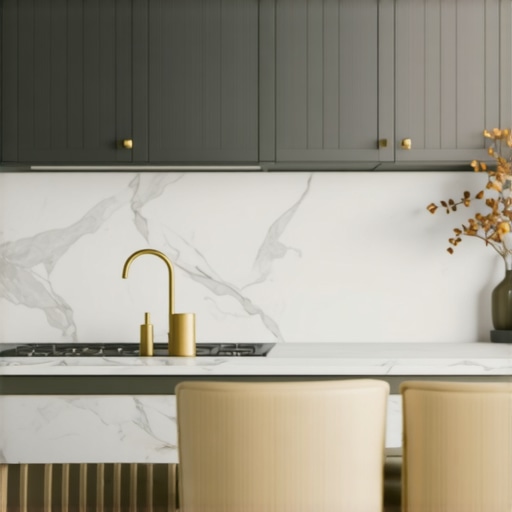
Why Inset Cabinets Cost More and When They Are Actually Worth It
It was a typical Saturday morning when I finally looked around my cluttered kitchen and realized I needed a change. Instead of the peaceful space I envisioned, I felt overwhelmed by how my cabinets just didn’t quite fit or work as efficiently as I wanted. That was the moment I started questioning the cost difference between inset cabinets and other styles, and whether investing more was really justified. Spoiler alert: it’s more nuanced than just price tags.
Decoding the True Value of Inset Cabinets in Your Kitchen
Many homeowners, myself included, are drawn to inset cabinets because of their sleek, flush look. But then comes the sticker shock. It’s not just a few extra dollars—it can be significant. That initial frustration led me down a rabbit hole of research, consultation, and some costly mistakes early on—mistakes I’d rather share so you won’t repeat them.
Did I mention that the cost of high-quality inset cabinets can be up to 25% more than traditional overlay designs? According to industry experts, the intricate manufacturing process and precise fitting contribute heavily to this price difference. But whether that price premium pays off depends on your priorities and the specific demands of your space.
Is the Hype About Inset Cabinets Justified?
Early in my journey, I made the mistake of opting for a cheaper, less precise cabinet installer, thinking all inset cabinets were basically the same. Turns out, not only was the installation more challenging, but the quality varied wildly. That’s why I want to guide you through understanding the real benefits and whether they’re worth buying into for your home.
So, if you’ve ever hesitated over the extra cost or wondered if inset cabinets truly elevate your kitchen’s style and function, you’re in the right place. Let’s explore the factors that can make inset cabinets a worthwhile investment—and when they might be better left on the shelf.
Plan Your Space Carefully
Before purchasing any cabinets, measure your kitchen meticulously. Use a tape measure and note wall lengths, ceiling heights, and the positions of appliances. Draft a scaled sketch to visualize where inset cabinets will fit best, considering door swings and clearance zones. I learned this the hard way when my initial drawings didn’t account for door handles, causing interference.
Choose the Right Materials and Hardware
Not all cabinet materials are created equal. Opt for high-grade plywood over particleboard to ensure durability, especially in humid kitchens. Select hardware finishes resistant to fingerprints and moisture, like matte black or stainless steel. In my own project, I swapped out standard knobs for pull handles, which made daily use more comfortable and less maintenance-intensive. For inspiration, browse hardware options resistant to fingerprints.
Engage Skilled Craftsmen
While DIY is tempting, inset cabinets demand precise installation. Hire experienced carpenters familiar with inset design intricacies. During my remodel, I watched the crew scribe and shim the cabinets multiple times to achieve flush doors without gaps. This attention to detail prevents issues like sticking or misalignment later, ensuring a professional finish.
Customize for Storage Needs
Assess your storage habits and customize accordingly. Incorporate deep drawers for pots and pans, and vertical dividers for lids. I added a pull-out spice rack inside a cabinet door, but quickly found it limited accessibility. Instead, installing a hidden drawer underneath my cooktop for spices kept everything within reach yet out of sight. For clever storage ideas, visit custom cabinet ideas.
Optimize Cabinet Fittings and Drawers
Ensure that hinges and slides are high quality, especially for heavy-use drawers. I installed heavy-duty slides that hold cast iron pans, preventing sagging over time. Additionally, regular adjustment of European hinges kept my inset doors closing seamlessly. Remember that hardware quality directly impacts both functionality and appearance. Check out drawer fixes and hardware advice.
Perfect the Alignment and Finishing Touches
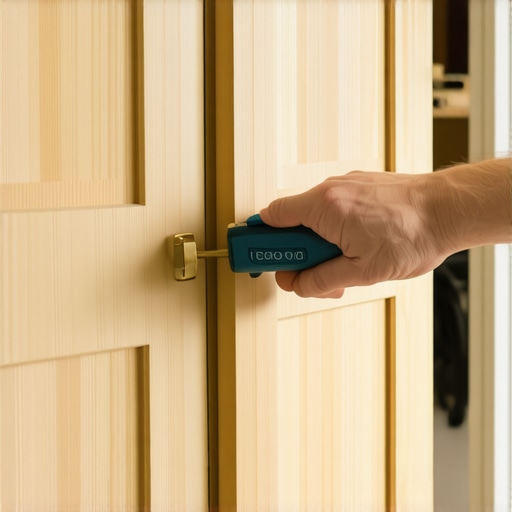
Leveling cabinets and aligning doors is critical. Use a spirit level and a screwdriver to make incremental adjustments—small tweaks lead to big visual improvements. I spent a Saturday afternoon leveling all doors, which eliminated squeaks and uneven gaps. Finally, apply a protective finish suitable for inset cabinets to prevent chips and warping, especially on edges that see frequent contact.
Test and Refine Your Setup
After installation, live with the layout for a week. Identify any inconvenience, like hard-to-reach shelves or obstructed drawers. During my trial, I realized that the pantry door blocked access to some shelves, prompting me to reposition them higher. Small refinements make your kitchen more functional and enjoyable. For more on space maximization, consider exploring storage solutions.
Many homeowners believe that simply adding built-ins or custom cabinets will transform their kitchen into a highly functional space. However, what most people get wrong is relying solely on aesthetics without considering the nuanced details that influence long-term usability. For example, a common myth is that bigger storage equals better organization. In reality, thoughtful compartmentalization and tailored storage solutions matter far more than volume alone. Studies by industry experts show that improperly designed cabinets can lead to wasted space and accessibility issues, undermining your remodel’s value. Another overlooked aspect is the importance of seamless integration with existing structures. Installing tall cabinets without accounting for ceiling height variations can create awkward gaps or require costly modifications, which many overlook during planning.
A frequent trap is choosing trendy finishes or hardware that don’t age well or suit your lifestyle, leading to dissatisfaction and costly updates down the line. Moreover, when designing built-ins, many assume that standard dimensions fit all needs. But, without customizing for your specific storage habits—like incorporating discreet niches for small appliances or specialized drawers for utensils—you might find yourself fighting against your own space.
For advanced homeowners seeking to optimize their kitchens, paying attention to the finer details makes all the difference. For instance, thoughtful vertical dividers can prevent pans from warping and make stacking more manageable, a tip I learned after experiencing warped cookware myself. Additionally, clever use of hidden storage, such as toe kick drawers or inside cabinet doors, can maximize wasted space, especially in smaller kitchens. According to architectural research, integrating such nuanced features significantly improves functionality (see [this expert guide](https://artisancabinetworkz.com/maximize-space-with-innovative-storage-solutions-for-every-room)).
Are you aware of the pitfalls you might encounter when planning your remodel? Think beyond surface appearances, and focus on how your design choices align with your daily routines and future needs. Remember, a kitchen is more than just a visual statement—it’s a working hub where every inch counts. If you want to learn more about avoiding common missteps and unlocking true kitchen potential, consider exploring [custom cabinets ideas](https://artisancabinetworkz.com/custom-cabinets-ideas-that-transform-your-homes-style) and related resources. Have you ever fallen into this trap? Let me know in the comments.
Keeping It Working: Tools I Recommend for Long-Term Kitchen Success
After completing a kitchen remodel, maintaining the functionality and beauty of your space is an ongoing process. Investing in the right tools ensures that your custom cabinets, built-ins, and storage solutions remain in top shape for years to come. I personally swear by a few specific items that have saved me time and prevented costly repairs down the line.
First, a high-quality cordless drill with a variety of screwdriver bits is indispensable. It allows you to tighten or adjust hinges, drawer slides, and other hardware without hassle. I prefer models with brushless motors because they offer longer battery life and more torque, making routine adjustments a breeze. Regularly checking and tightening hardware prevents door misalignments and squeaks that tend to develop over time.
Secondly, a digital thickness gauge is invaluable for monitoring the wear of your cabinet doors and drawer fronts. Over years of use, surfaces can warp slightly, especially in humid environments. Keeping an eye on these small changes helps you identify when re-sanding or refinishing might be necessary. This appliance complements routine inspections and keeps your cabinetry looking pristine without surprises.
For cleaning, a microfiber cloth paired with a gentle, VOC-free wood cleaner preserves the finish on your cabinets. Avoid harsh chemicals that can strip protective coatings. I also use a soft rubber squeegee to remove water spots and minor spills, preventing moisture damage—a common issue in kitchens with heavy built-ins. For stubborn grime, an occasional application of a mixture of white vinegar and water works wonders without damaging the surface.
As for software tools, I recommend cabinet design programs like SketchUp or 20/20 Design. These help visualize modifications for maintenance, like adjusting heights or adding new storage niches, before physically altering your setup. Visual planning reduces errors, saves money, and ensures that your built-ins continue to serve your evolving needs.
Predictions for the future suggest smarter, integrated maintenance systems. Imagine cabinets with embedded sensors that alert you when hinges need tightening or when moisture levels rise. While these innovations are still emerging, starting with durable hardware and regular inspections now sets the foundation for a smarter kitchen down the road. According to a 2023 industry report, the integration of IoT in home hardware is trending upward, promising more proactive maintenance capabilities.
Ever Wonder How to Keep Your Cabinets in Shape for Years?
Maintaining your kitchen elements hinges on proactive care and the right tools. Regularly inspect, tighten hardware, and use gentle cleaning solutions to extend the life of your cabinetry and built-ins. And don’t hesitate to explore design software to plan future modifications, ensuring your kitchen adapts seamlessly over time. For a detailed guide on securing your built-ins against moisture damage, check out this expert insight. Try incorporating a digital thickness gauge into your maintenance routine—it’s a small investment that pays off in longevity and peace of mind.
Lessons That Changed How I Approach Kitchen Renovations
One of the toughest realizations was that rushing into choosing inset cabinets without thorough planning leads to surprises and added costs. I learned that understanding the nuances of installation complexity saved me both time and money in the long run.
Another lightbulb moment was realizing that materials and hardware selection isn’t just about appearance but durability. Investing in high-quality plywood and moisture-resistant hardware pays off by maintaining the aesthetic and functionality over years.
And perhaps most importantly, I discovered that engaging skilled craftsmen truly makes a difference. It’s tempting to DIY, but when it comes to inset cabinets and perfect alignments, expertise ensures a polished, professional look that DIY often can’t achieve.
Tools and Resources That Truly Make a Difference
My essential toolkit includes a high-quality cordless drill with various bits—it’s indispensable for adjusting hinges and drawer slides with ease. I also trust a digital thickness gauge for monitoring the wear of cabinet surfaces over time, helping me catch issues before they become costly repairs.
For visualizing future modifications, I recommend cabinet design software like SketchUp or 20/20 Design. These programs help confirm that your ideas will work before any physical work begins, saving headaches and expenses.
Additionally, reading expert guides like this resource on custom cabinet ideas deepened my understanding of innovative storage solutions, inspiring smarter designs that truly fit my lifestyle.
Embrace the Challenge and Design with Confidence
Your kitchen is more than just a space—it’s the heart of your home. Every detail, from choosing inset cabinets to optimizing storage, shapes your daily life. While the process might seem daunting, taking intentional steps now will create a space that’s both beautiful and highly functional. Remember, every expert was once a beginner, and every challenge you face is a chance to learn and improve. So go ahead—start your renovation journey with confidence, and enjoy the incredible transformation that thoughtful design can bring. And if you’re curious about other ways to elevate your kitchen, check out this article on modern kitchen remodels.