The Hidden Coffee Station Fix: Power Grommets and Pull-Out Shelves
I vividly remember the morning I realized my kitchen was a chaotic maze of mismatched shelves, awkward compartments, and drawers that refused to open smoothly. The frustration hit me as I reached for yet another mug, only to knock over a stack of pans because my storage solutions just weren’t working. That lightbulb moment made me understand that a cluttered, inefficient kitchen isn’t just a minor nuisance—it’s a barrier to enjoying the space and making daily routines smoother.
Why Fixed and Pull-Out Storage? The Game-Changer in Kitchen Design
In my quest to reclaim my kitchen, I discovered that integrating smart built-in storage like power grommets and pull-out shelves can transform a disorganized space into a haven of efficiency. These solutions not only maximize space but also make access easier, turning a cluttered nightmare into a chef’s dream. For anyone contemplating a kitchen remodel, focusing on seamless storage options is a smart investment. According to industry experts, well-designed storage can increase home value and improve daily functionality. Learn more about creating seamless kitchen remasters with built-in storage solutions.
Feeling Skeptical? Will These Fixes Really Make a Difference?
I get it—at first, I doubted whether small upgrades like adding power grommets or pull-out shelves could truly revolutionize my kitchen. Early on, I made the mistake of dismissing these details, thinking they were just minor tweaks. But skipping these small improvements only prolonged my frustration. Once I took the plunge, I saw how such thoughtful modifications could dramatically improve access and organization, saving me time—and my sanity. Want to see how simple tweaks can make your space better? You’re in the right place to start transforming your kitchen with proven strategies.
Identify Your Storage Needs Clearly
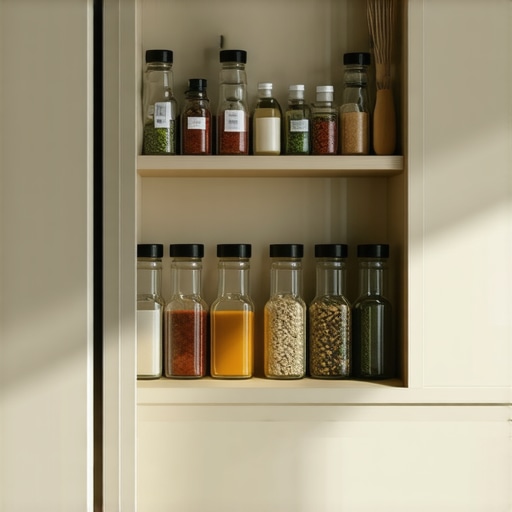
Start by analyzing what you store most often. For example, during my recent remodel, I noticed my spice collection cluttered the countertop, making access cumbersome. I listed items based on frequency of use and designated zones—like a dedicated spice pull-out near the stove. This targeted approach prevents over-customizing and keeps your layout practical.
Design Custom Cabinets for Efficiency and Style
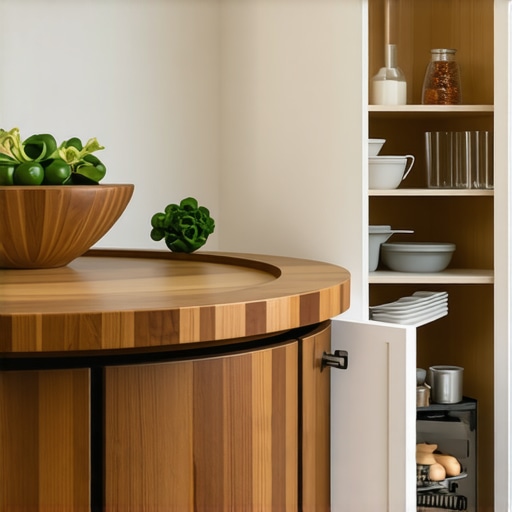
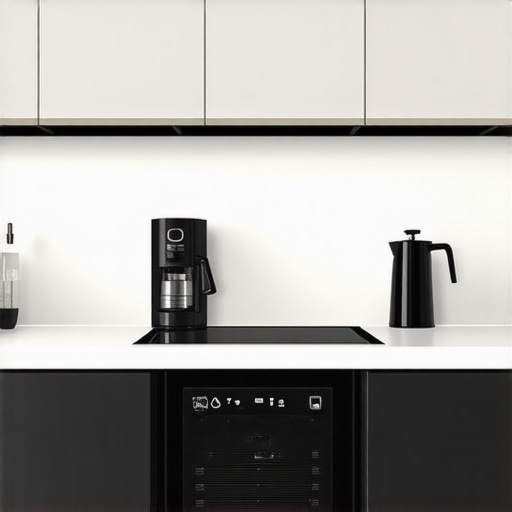
Custom cabinets are like tailored suits—they fit perfectly and elevate the space. I chose a built-in coffee station with concealed storage, which kept my countertop clutter-free. To ensure seamless integration, sketch out your layout, considering wall dimensions and where you need easy access. For inspiration and detailed ideas, explore custom cabinets for a stylish overhaul.
Introduce Pull-Out Shelves and Hidden Compartments
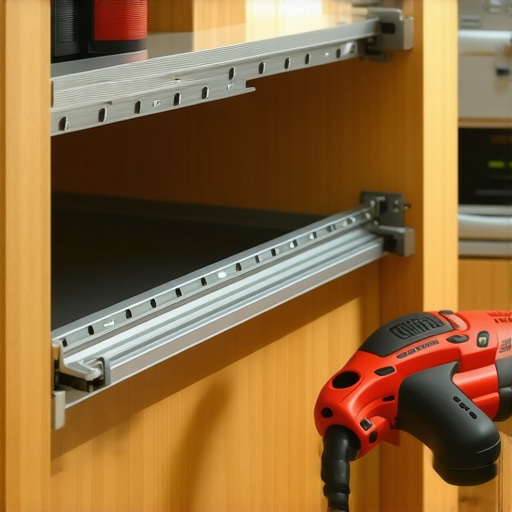
Pull-out shelves are game-changers—they improve reachability. I installed a lazy Susan in the corner, which outperformed traditional fixed shelves and eliminated dead space. Think of it like turning a blind corner into a usable asset—maximize every inch. Use quality sliders to support heavy items like cast-iron pots; cheap slides will sag over time. For safer, smoother operation, opt for heavy-duty drawer slides.
Use Vertical Dividers for Pans and Baking Sheets
Vertical dividers transform stacks into accessible, organized units. I added a divider for my baking sheets—preventing the vertical pile-up and saving time during cooking. Think of it as creating a library catalog for your kitchen essentials. It’s straightforward: build a frame, insert sturdy panels, and slide into existing cabinets.
Incorporate Hidden Storage Solutions
Hidden compartments, like toe-kick drawers, utilize wasted space beneath cabinets. I installed a slide-out bin for recycling, seamlessly integrated with the base cabinetry. These smaller, often overlooked spaces add up quickly, boosting overall storage. Use interior organizers within these compartments for maximum efficiency. Learn how to retrofit these features at slim pull-outs for tight gaps.
Match Your Hardware and Finishes
Finish touches like hardware finish and paint tie the entire look together. I opted for matte black handles—they resist fingerprints and add a sleek contrast. Coordinating hardware across cabinets and drawers creates visual harmony. For durable options, consider finishes resistant to wear, like brass or oil-rubbed bronze, detailed at hardware finishes that resist tarnish.
Maintain Flexibility with Movable Elements
Designing for future needs is wise. I incorporated a pull-out step ladder and adjustable shelves, making high storage accessible without hassle. These adaptable features ensure your kitchen remains functional as your needs evolve. Remember, modular elements prevent your space from feeling static and cluttered over time.
While many homeowners are excited about installing built-in storage and custom cabinets, a common misconception lies in thinking that these solutions are foolproof or universally suitable. The truth is, even expert designers recognize nuanced pitfalls that can undermine your project’s success. One prevailing myth is that all bespoke cabinetry automatically increases home value and functionality. However, without proper planning and understanding of your space’s unique demands, custom solutions may fall short or even create new problems. For example, poorly measured cabinetry can lead to awkward gaps or misaligned doors, which not only detract from aesthetics but also hinder usability. It’s essential to remember that custom doesn’t mean mistake-proof; meticulous design and execution are vital.
A frequent trap is relying solely on aesthetics rather than considering structural integrity and environmental factors. Solid wood cabinets, while beautiful, require proper sealing and climate considerations to prevent warping over time. Neglecting humidity levels specific to your region can cause irreversible damage, a nuance often overlooked by DIY enthusiasts. Additionally, many assume that more storage is always better. Contrarily, over-customization can lead to clutter and decreased accessibility—think of compartments so deep that retrieving items becomes a chore. This is where thoughtful integration of adjustable shelves and smart dividers makes a significant difference.
Let’s clarify a sophisticated question: How can one balance elaborate storage features with seamless aesthetic integration? Achieving a harmonious blend involves understanding not just the design but also the functional flow of your kitchen. Experts recommend pairing built-ins with existing architecture, ensuring they complement rather than overpower the space. For advanced insights, consulting detailed guides like creating seamless kitchen remasters can provide strategic approaches.
Another nuance is the importance of material selection. Many overlook the long-term impacts of finish choices; for instance, oil finishes may look stunning but can be prone to staining in high-traffic kitchens. Using durable, water-based lacquers designed for humid environments extends the lifespan of your cabinetry and maintains its appearance. As industry experts emphasize, understanding the micro-properties of materials and finishes is crucial for longevity and user satisfaction. For more technical guidance, explore why we prefer water-based lacquers.
Finally, avoid the mistake of neglecting future scalability. High-tech homes and evolving family needs demand flexible storage solutions. Incorporating features like removable panels or modular units can save headaches down the line. Designing with adaptability in mind is often overlooked but adds significant value to your investment.
In conclusion, the realization that hidden nuances—such as environmental considerations, material choices, and thoughtful planning—are crucial makes a difference between a good and an exceptional masterful remodel. Are you ever tempted to skip these details? Share your experiences or questions below, and let’s navigate these subtleties together.
Once you’ve invested time and resources into designing custom cabinets and integrated storage solutions, maintaining their durability and beauty becomes essential. Regular upkeep not only preserves their functionality but also ensures your kitchen remains a stunning, efficient space over time.
Power Tools and Software for Seamless Maintenance
Personally, I rely heavily on high-quality power tools like orbital sanders and cordless drills for minor touch-ups and adjustments. An orbital sander allows me to gently sand out scratches or wear spots without damaging the finish, especially on painted or stained surfaces. For hardware adjustments, a cordless screwdriver saves time and provides precise control, preventing over-tightening or misalignment. On the software side, 3D planning tools such as SketchUp or Chief Architect are invaluable for visualizing maintenance tasks before execution, ensuring I consider structural aspects that might need reinforcement or realignment over time.
Establishing a Routine to Extend Lifespan
Consistent inspections every 6 to 12 months help catch issues early—like loose hinges, squeaky slides, or paint chips. Lubricating soft-close dampers and drawer slides with silicone spray maintains smooth operation. Re-sealing or refinishing surfaces can also prevent moisture damage, especially in high-humidity environments. Engage in proactive repairs whenever needed, replacing worn components before they lead to bigger problems. Remember, a small effort today can save costly repairs tomorrow, and maintaining your investment in custom cabinets is just good sense.
Tools I recommend for Long-Term Stability
For ongoing maintenance, I use a few trusted tools: a mini screwdriver kit for quick hardware fixes, a rubber mallet to gently realign panels, and a digital level to ensure cabinets stay perfectly even. A quality vacuum with soft brushes can remove dust and debris from crevices without scratching surfaces. Invest in high-grade lubricants—preferably silicone-based—that resist dust accumulation and don’t degrade plastics or wood finishes. These small but impactful tools make routine upkeep straightforward and effective.
Planning for Scale and Future-Proofing
As your needs evolve, so should your storage solutions. Modular components like adjustable shelves and removable dividers allow you to reconfigure your space easily. In the future, integrating smart storage solutions—such as motorized pull-outs or sensor-activated lighting—can further enhance usability. Keep an eye on emerging trends in cabinet hardware and finish durability; for instance, advances in water-resistant finishes can significantly extend the life of your cabinetry in humid climates. Staying informed through resources like this guide on built-ins that improve functionality can inspire you to upgrade and adapt over time.
How do I maintain my built-ins and custom cabinets as they age?
Developing a regular maintenance schedule, using the right tools like soft brushes, silicone lubricants, and precision screwdrivers, ensures your cabinetry stays in prime condition. Addressing small issues promptly prevents costly repairs and preserves your home’s value. And don’t forget to consider future enhancements—adding adjustable shelves or smart features—that can keep your system both flexible and functional well into the future. For more detailed strategies, explore tips at creating seamless kitchen remasters. Try implementing a routine check on hinges, slides, and finishes this month; you’ll thank yourself later.
The Hidden Pitfalls of Custom Cabinets I Fell for Too Late
One of the most eye-opening lessons I learned was how easily aesthetic choices can overshadow practicality. I initially chose ornate, high-end finishes without considering their maintenance needs, leading to chipped paint and fingerprints that were a nightmare to clean. It taught me to prioritize durability alongside beauty and to remember that materials must suit your climate and lifestyle. For practical insights on selecting resilient finishes, check this resource on water-based lacquers.
Why Future Flexibility Should Shape Your Storage Decisions
Early in my remodel, I made the mistake of designing static storage that might not serve future needs. Now, I understand the value of modular and adjustable components—like removable shelves and movable dividers—that make reconfiguration effortless. This flexibility saves money and frustration over time because your kitchen can evolve with your family. For more ideas on adaptable storage, explore smart storage options for small kitchens.
How Overlooking Environmental Factors Spelled Trouble
One of my biggest surprises was realizing how regional humidity affected my cabinetry. Ignoring climate conditions led to warping and swelling, which could have been avoided if I had chosen the right materials and finishes. It underscored the importance of consulting experts about environmental impacts before committing to materials. To deepen your understanding, visit this detailed guide on humidity effects.
Personalized Storage: When One-Size-Fits-All Doesn’t Fit
Using standard solutions without tailoring them to my specific needs resulted in wasted space and constant reorganizing. Learning to analyze my routines, like dedicated spice drawers near the stove or hidden compartments for small appliances, made my kitchen more functional. Don’t shy away from custom solutions—they’re worth the effort. For tailored ideas, see creating seamless kitchen remasters.
Embracing the Power of Well-Planned Maintenance
Finally, I realized that regular upkeep—like lubricating drawer slides or checking hinges—extends the life of my investment. Using high-quality tools such as cordless screwdrivers and small brushes has made routine maintenance quick and effective. It’s a small commitment that pays off in years of smooth operation. Seek out expert-maintained tutorials and guides to stay ahead, like those at this resource on maintaining built-ins.
Turn Your Dream Kitchen into Reality with Confidence
Transforming a kitchen with built-in storage and custom cabinets isn’t just about aesthetics—it’s about creating a space that works for you today, tomorrow, and years to come. Trust your instincts, do thorough planning, and don’t underestimate the power of flexible, durable solutions. Start small if needed, but keep your eyes on the long-term gains. Want more detailed tips? Visit this guide on modern kitchen remodels.
What’s Your Next Step in Kitchen Transformation?
Have you ever overlooked crucial environmental or practical factors that impacted your storage solutions? Share your experiences below and let’s learn from each other’s kitchen journeys. Every mistake is a step closer to creating the perfect space for your home.