The Real Reason Your Cabinet Drawer Slides Are Grinding
I remember the morning vividly. I was trying to sneak a quiet bowl of cereal at 5 AM, but the second I pulled on the silverware drawer, it let out a metal-on-metal screech that sounded like a freight train braking in my kitchen. My wife woke up, the dog started barking, and I stood there holding a spoon like a thief caught red-handed. It is funny how we spend so much time obsessing over custom cabinet ideas only to have the whole experience ruined by a five-dollar piece of hardware. When your drawers start grinding, it is not just an annoyance; it is a warning sign that your cabinetry is essentially eating itself from the inside out.
Stop Ignoring the Screeching Metal
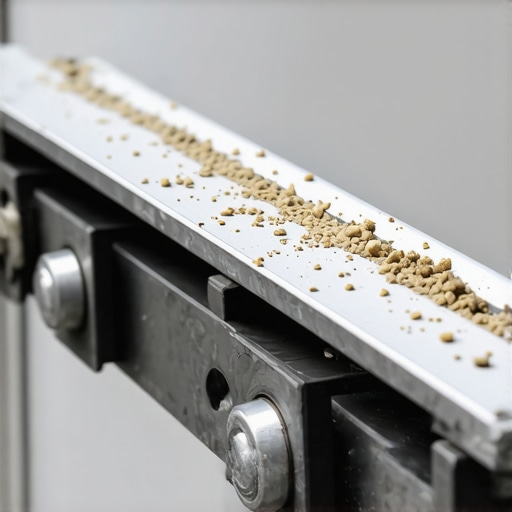
Most of us assume a little noise is just part of a kitchen’s aging process, but that is a dangerous lie we tell ourselves to avoid a weekend project. I learned this the hard way during my first kitchen remodel journey when I thought I could save fifty bucks by using builder-grade slides on heavy pot drawers. Within six months, those drawers were not just noisy; they were shedding tiny metal shavings into my clean tupperware. The real culprit usually isn’t just ‘old age.’ It is often a combination of overloaded weight and a very specific cabinet screw mistake that throws the whole alignment out of whack by just a fraction of a millimeter.
Is high-end hardware actually worth the hype?
You might be wondering if you really need to drop the cash on those fancy Blum or Grass slides you see in the showrooms. I used to be a skeptic too. I figured metal was metal. However, data from the Furniture Industry Research Association (FIRA) suggests that high-quality ball-bearing slides are rated for over 50,000 cycles, while cheap versions often fail before 10,000. That is the difference between your kitchen lasting five years or twenty. If you have ever felt that ‘gritty’ sensation, you are likely dealing with a blown bearing or a rail that has been bowed by the weight of too many cast-iron pans. Have you ever opened a drawer and felt like you were fighting a wrestling match just to get a spatula? You are not alone, and usually, it is a fixable disaster.
Today, we are going to pinpoint exactly why that grinding is happening—whether it is debris, poor installation, or simply soft-close slides failing due to lack of maintenance. We will look at how to identify the symptoms before the slide snaps entirely and ruins your quality dovetail joinery. Trust me, catching this early is the difference between a ten-minute cleaning job and a total drawer box replacement.
Empty the Box and Check the Rails
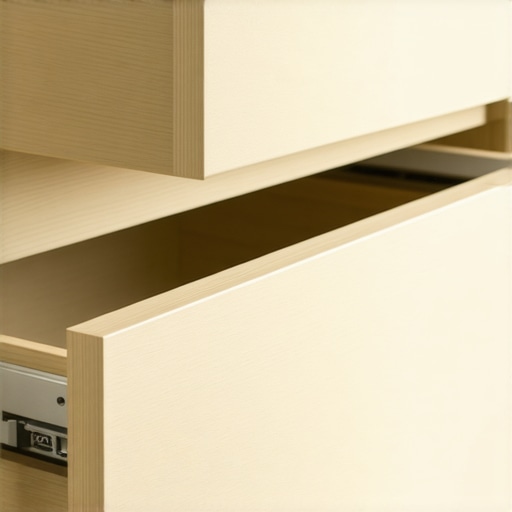
Before you touch a screwdriver, you need to get the drawer box completely out of the cabinet carcass. It sounds basic, but most people try to spray WD-40 blindly into the gap, which is a massive mistake because oil attracts dust like a magnet. Once it is out, look at the tracks. Are they parallel? If they are even a sixteenth of an inch wider at the back than the front, you are looking at a structural misalignment that forces the bearings to jump their tracks. I once spent three hours trying to ‘lube’ a drawer in a modern kitchen remodel, only to realize a single loose screw was catching on the frame. It is rarely the big things; it is always the tiny details. If you are dealing with smart storage solutions for small kitchens in 2025, you know that every millimeter of clearance is precious, and a slightly tilted slide can make the whole system seize up.
The Simple Cleaning Trick That Beats Expensive Lubricants
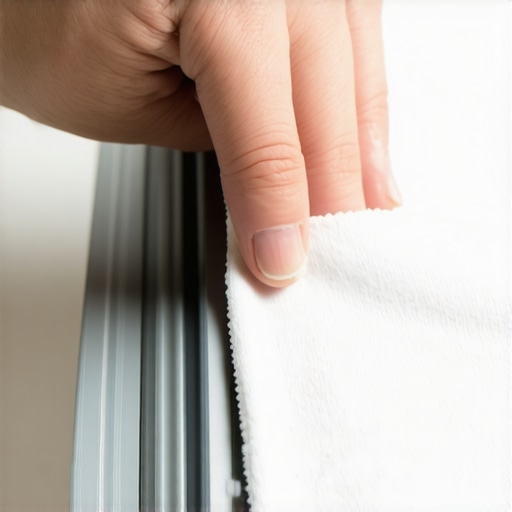
Most ‘grinding’ isn’t mechanical failure—it is debris. I had a client once who was convinced she needed a whole new island because her ‘heavy’ pot drawer would not close. I took it apart and found a single dried-up fusilli pasta noodle jammed in the rear mounting bracket. Total repair cost? Zero. Total time? Five minutes. Use a vacuum with a crevice tool to suck out any grit, then wipe the tracks down with a damp microfiber cloth. If your drawers feature specialized hardware, you should check out the guide on why your soft-close slides are failing and the quick cleaning fix. Avoid heavy greases; if you must lubricate, use a dry silicone spray that won’t turn into a sticky paste over time.
Fix the Hidden Screws Ruining Your Alignment
One of the most common reasons for a grinding sound is a screw head that has backed out just enough to rub against the moving part of the slide. This often happens because of the cabinet screw mistake that causes heavy drawers to fail, where the wrong gauge of screw was used, eventually stripping the wood. If the hole is wallowed out, do not just try to tighten it. You will need to learn how to repair a stripped screw hole in a cabinet door or frame using the toothpick-and-glue method to give the hardware something solid to bite into. A secure, flush screw is the difference between a silent glide and a metal-on-metal screech every time you make coffee.
How to Save a Sagging Bottom Before the Joint Snaps
Sometimes the grinding is not the slide at all, but the drawer bottom itself sagging and rubbing against the cabinet rail below it. This is a classic symptom of overloaded drawers filled with heavy cast iron or stacks of ceramic plates. If you see the bottom panel bowing, you need to look at how to fix a sagging pot and pan drawer with a center support. Adding a simple wooden or metal brace underneath can pull that panel back up, instantly ending the friction. I remember a project where the homeowner thought her quality dovetail joinery was failing, but it was just a 1/4-inch plywood bottom that couldn’t handle thirty pounds of flour. Reinforcement is a ten-minute job that saves a thousand-dollar drawer box.
Check the Rear Mounting Brackets
If the drawer feels loose or ‘wobbles’ as it grinds, the plastic rear mounting brackets are likely cracked. These little pieces of plastic carry the entire weight of the drawer’s rear. Over time, heat and weight make them brittle. Replacing them with metal versions or fresh heavy-duty plastic can realign the slide instantly without needing to replace the entire rail system.
While fixing a grinding slide is a great win, we need to talk about why some ‘high-end’ cabinets fail much faster than they should. I see it every week: a homeowner spends a fortune on a modern kitchen remodel only to realize their ‘solid wood’ dream is actually a maintenance nightmare. If you really want to protect your investment, you have to look past the aesthetics and understand the structural nuances that designers rarely mention.
Stop Obsessing Over All-Wood Everything
Most people believe that ‘custom’ must mean 100% solid wood from top to bottom. In reality, that is a recipe for disaster. While solid wood is beautiful for doors and face frames, using it for the cabinet box itself often leads to structural failure. According to the Architectural Woodwork Institute (AWI), high-grade plywood construction offers significantly better dimensional stability than solid wood in environments with fluctuating humidity, like a kitchen. Solid wood expands and contracts too much, which eventually leads to why solid wood doors warp and how to prevent it. In the professional cabinet industry, we know that why plywood box construction still beats particle board for kitchens or even solid wood for the box structure. It keeps your drawers perfectly aligned for decades, not just seasons. 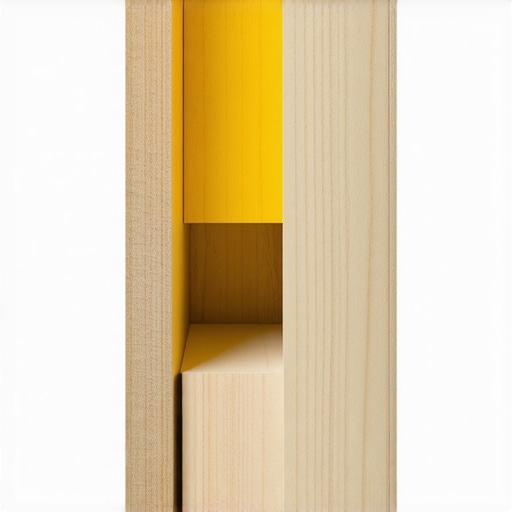
Heat is the Silent Killer of Your New Finish
Another nuance that most beginners overlook is the proximity of their range or toaster to the cabinet finish. I’ve seen $50,000 kitchens ruined in six months because the designer didn’t account for the ‘self-cleaning’ cycle of the oven. This cycle generates extreme heat that can delaminate even high-quality finishes. If you are looking at specific materials, why your canton kitchen remodeling project should skip cheap thermofoil near the oven is a lesson usually learned in sweat and tears. I once visited a client whose white cabinets next to the toaster had turned a sickly yellow. They thought it was a cleaning product, but it was actually heat-induced oxidation of a low-grade clear coat. Always ensure you have heat shields installed on the cabinets flanking your stove to protect that pristine custom cabinet style you worked so hard to achieve. Professionals use conversion varnish for a reason; it stands up to heat in ways standard lacquers simply cannot.
Does frameless cabinetry actually last as long as face-frames?
This is the ultimate debate among sophisticated renovators. The common myth is that ‘European’ or frameless cabinets are flimsy because they lack that front wooden frame. However, if you use the right materials, why frameless cabinets offer more storage than traditional face frame becomes the clear winner for modern functionality. The trap isn’t the lack of a frame; it is the hardware mistake that makes expensive cabinets look cheap. Without the structural support of a face frame, the quality of your hinges and the thickness of the box side-walls become non-negotiable. If you go frameless, the side-walls must be at least 3/4-inch thick to prevent the cabinet from racking over time. Furthermore, the edge-banding must be applied with high-heat PUR glue, or it will eventually peel away near your dishwasher. It is these tiny, microscopic manufacturing choices that dictate whether your kitchen looks great for 2 years or 20. Have you ever fallen into the ‘all-wood’ trap only to see your doors warp or your boxes sag? Let me know in the comments below.
If you want to keep your kitchen looking like a showroom ten years after the installers leave, you need to own exactly one specific tool: a #2 PoziDriv screwdriver. Most homeowners make the mistake of using a standard Phillips, but if you look closely at your European hinges, you will see a tiny ‘X’ offset forty-five degrees from the main cross. Using a Phillips bit here is the fastest way to strip the head and ruin your ability to make fine adjustments. When I am teaching someone how to adjust European hinges when your doors are crooked, that PoziDriv bit is the only thing that provides the surgical precision needed to get those gaps perfectly even. It is the literal difference between a door that closes with a satisfying click and one that overlaps its neighbor every time you try to shut it.
How do I keep my soft-close hardware from getting sticky?
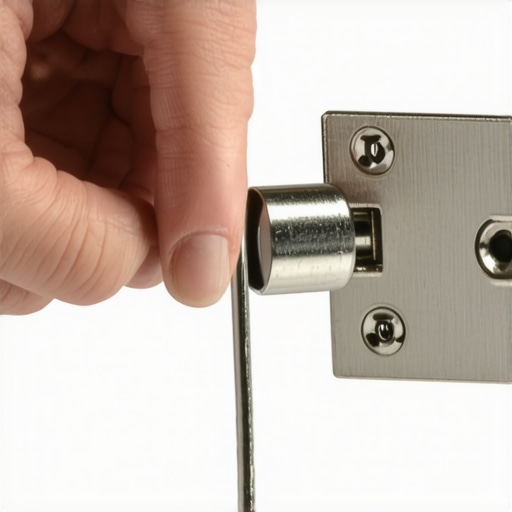
It is not just about having the right tools; it is about a consistent cleaning routine that prevents mechanical fatigue. Every six months, I take a vacuum with a brush attachment to the hinge cups and drawer tracks. Dust in a kitchen isn’t just dust; it is a mixture of flour, pet hair, and atomized cooking grease that creates a ‘sludge’ capable of killing an internal dampening piston. If you have noticed why your slow close hinges are suddenly sluggish and how to clean them, do not reach for the WD-40. According to the Blum Technical Specifications for CLIP top hinges, their hardware is ‘lubricated for life’ with a specialized viscous grease that chemical sprays will actually dissolve and wash away. Use a microfiber cloth and a puff of compressed air instead. If you maintain the moving parts this way, you will not be searching for how to fix a cabinet door that wont stay closed without replacing hinges down the road.
Looking ahead to 2025 and beyond, I am seeing a massive shift toward ‘invisible utility.’ We are moving away from surface-level clutter and into deep-integration storage solutions that prioritize a clean aesthetic. I am currently installing the built-in charging station that finally clears your countertops in almost every high-end project I design. People are tired of the ‘cord nest’ in the corner of the room. They want built-ins and storage hacks for a sleek functional kitchen that hide the chaos of daily life behind a seamless facade. This is no longer just a luxury; it is becoming a standard expectation for a modern custom cabinets as a game changer in your kitchen remodel journey.
If you are feeling overwhelmed by the maintenance or the organizational possibilities, my advice is to pick one ‘high-friction’ area today and solve it permanently. Maybe it is the nightmare of plastic containers falling out of the cupboard—take a look at the tupperware chaos fix why peg systems beat loose lids and try implementing a drawer peg system this weekend. You will be amazed at how much a small organizational win changes your daily relationship with your kitchen space.
The Three Hard Truths About Cabinet Hardware I Had to Learn the Hard Way
After years of fixing “broken” kitchens, I have realized that most mechanical failures are not due to bad luck, but rather three specific oversights. First, homeowners often underestimate the power of steam and spills; if you do not have a waterproof liner, your sink base is essentially a ticking time bomb for wood rot. Second, we often focus on the aesthetic of transforming your kitchen with custom cabinets while neglecting the mechanical guts. A beautiful door on a cheap hinge is just a pretty door that eventually will not close. Finally, the “junk drawer” is usually the first to die because we treat it like a bottomless pit. Even the best hardware has load limits, and knowing expert tips on selecting storage solutions for a perfect kitchen upgrade can help you distribute that weight properly before the bearings explode.
Resources Every Homeowner Needs for a Silent Kitchen
I do not leave for a job site without a few specific items that make maintenance a breeze. For starters, throw away your standard Phillips head when working on European hardware and get a dedicated PoziDriv #2; it will save your screw heads from stripping during adjustments. I also highly recommend keeping a can of dry PTFE (Teflon) spray nearby; unlike WD-40, it does not attract the flour and dust common in kitchens. If your hardware is already acting up, I have put together a 3-step fix for drawer slides that wont stay closed that covers the most common mechanical resets. These small investments in the right tools prevent massive replacement costs later.
Build a Kitchen That Lives as Well as It Looks
Your kitchen is the most hardworking room in your home, and it deserves to function without the frustration of grinding metal or sagging shelves. Whether you are in the middle of a full-scale renovation or just trying to silence a squeaky drawer, remember that true quality is found in the details that you cannot see from across the room. Investing time in proper maintenance and choosing high-grade custom cabinets ensures your home remains a place of peace rather than a source of constant repairs. Do not be afraid to take things apart and see how they work—usually, the fix is much simpler than it appears. If you ever feel stuck or need a professional eye on your next project, you can always reach out to us here for guidance. Have you ever had a drawer slide completely fail on you, or did you catch that grinding noise just in time? Let me know in the comments below!