How to Pick the Right Wood Grain Direction for Tall Pantry Doors
I’ll never forget the morning I finally peeled back the protective film on my massive, floor-to-ceiling pantry doors. I had spent months planning this kitchen remodel, obsessing over the exact shade of stain. But as the sun hit those eight-foot slabs of oak, my heart sank. I’d told the shop to “just make it look modern,” and they took that to mean horizontal grain on the doors while every other piece of trim in the house ran vertical. It was a visual car crash. It didn’t look modern; it looked like I’d run out of wood and started piecing together scraps. My mistake cost me a fortune in re-ordering panels, but it taught me a lesson I’ll never forget. Picking the grain direction for tall pantry doors isn’t just a technical detail; it’s the difference between a kitchen that feels cohesive and one that feels cluttered. I learned the hard way that when you’re dealing with custom cabinets, the direction the wood “points” dictates the entire energy of the room. Today, I’m going to make sure you don’t make that same mistake. We’re going to walk through the pros and cons of vertical versus horizontal grain so you can make a choice you’ll love every time you walk into your kitchen. [IMAGE_PLACEHOLDER]
Don’t Let Grain Direction Ruin Your Big Reveal
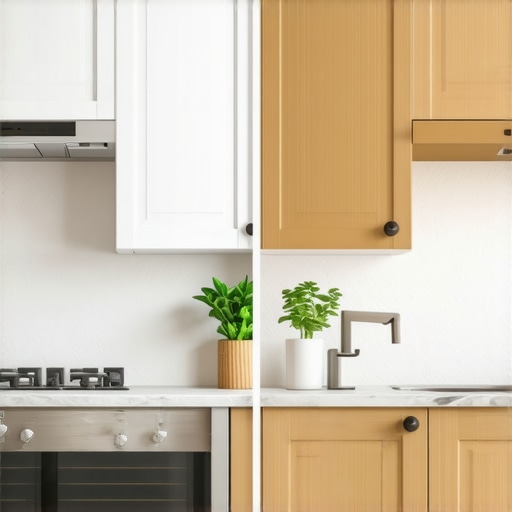
Vertical grain is the classic choice for a reason. It draws the eye upward, making your ceilings feel like they’re soaring. If you are working on small kitchens, this verticality is your best friend. However, the horizontal grain has made a massive comeback in contemporary design, offering a grounded, calming feel that mimics high-end European furniture. But here is the kicker: you have to be consistent. When I botched my first big project, I forgot that solid wood door panels still need room to breathe. Mixing directions can cause the wood to expand and contract in ways that highlight gaps rather than hiding them. According to Architectural Digest, visual lines in a room can trick the brain into perceiving spaces as significantly taller or wider than they actually are, which means your choice here has more architectural impact than the paint color itself.
Is worrying about grain direction actually worth the hype?
You might be thinking, “It’s just wood, who’s going to notice?” Trust me, you will. It’s one of those things you don’t see until it’s wrong, and then it’s all you see. Think about your built-ins and storage hacks; they all rely on visual flow. If your grain is jumping all over the place, the room feels twitchy. If it flows, the room feels serene. Have you ever felt like something was ‘off’ in a room but couldn’t quite put your finger on it? That was probably a grain direction mismatch. It is absolutely worth the extra twenty minutes of planning before you sign off on your order.
Look Up Before You Pick Your Grain
Your ceiling height is the ultimate dictator of wood grain direction. Think of grain like the pinstripes on a tailored suit; vertical lines create an illusion of height, while horizontal lines broaden the frame. If you are implementing smart storage solutions for small kitchens in 2025, vertical grain is almost always the winner because it tricks the brain into seeing a taller, airier room. When I worked on a cramped condo project last year, the homeowner insisted on horizontal grain for her eight-foot pantry. The result? The room felt like it was wearing a belt that was three sizes too small. We eventually swapped them for vertical panels, and suddenly, the kitchen felt like it had gained two feet of headroom. This simple pivot is why choosing custom cabinets requires looking at the architecture of the entire room, not just the door itself.
Stop the Barcode Effect with Grain Matching
If you decide to go horizontal, you must commit to ‘sequencing’ or grain matching. This means the wood grain flows continuously from the left door to the right door as if they were cut from the same slab. Without this, your custom cabinets as a game changer in your kitchen remodel journey will quickly turn into a visual nightmare. I once saw a DIY install where the horizontal lines jumped up an inch between doors; it looked like a broken television screen. To avoid this, ensure your builder is ‘slip-matching’ or ‘book-matching’ the veneers. This level of detail is what separates high-end the ultimate guide to custom cabinets for a stylish kitchen overhaul from basic off-the-shelf options. 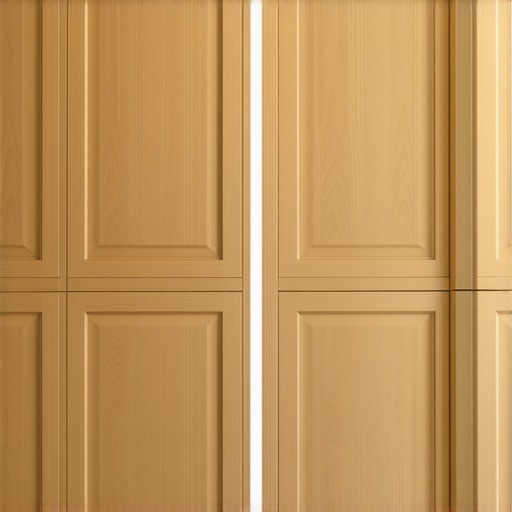
Prepare for the Summer Swell
Wood is a living material, and it moves. Vertical grain doors tend to be more stable over long spans, but if you have a massive eight-foot door, you have to remember that why solid wood door panels still need room to breathe in summer is a law of physics, not a suggestion. As humidity rises, the wood expands across the grain. In a horizontal layout, this means the door grows in height; in a vertical layout, it grows in width. This movement can throw off your alignment. If your doors start to rub, you will need to know how to adjust European hinges for a perfectly level door reveal to compensate for the seasonal shift.
Add a Support Shelf to Fight Gravity
Tall pantry doors are heavy, and gravity is a relentless enemy. Regardless of grain direction, a door over 60 inches needs extra support to prevent warping. This is why every tall pantry needs a fixed middle support shelf within the cabinet box to maintain structural integrity. This shelf acts as an anchor point that keeps the side panels from bowing under the weight of the doors. When integrating built-ins and storage hacks for a sleek functional kitchen, don’t sacrifice this structural necessity for a few extra inches of open space. I once skipped a fixed shelf to fit a tall broom, and within six months, the cabinet sides had bowed so much that the doors wouldn’t even latch.
Solid Wood Might Be Your Pantrys Worst Enemy
Let’s dig deeper into a nuance that catches even seasoned homeowners off guard. While we are conditioned to think solid wood is the peak of luxury for custom cabinets ideas that transform your homes style, it can actually be a liability in a high-performance kitchen. Solid wood is beautiful, but it is temperamental. In wide pantry spans, it tends to cup and bow far more than its engineered counterparts. This is why we recommend plywood shelves over solid wood for long spans. Plywood’s cross-grain construction offers a level of structural rigidity that solid oak or maple simply can’t match over a 36-inch gap. If you ignore this, you’ll likely end up searching for how to fix a sagging pot and pan drawer with a center support within a year of your move-in date.
The Clearance Trap Most Remodels Fall Into
One of the most common ‘oops’ factors I see in a revolutionize your kitchen remodel using built-ins and creative storage plan is ignoring the physics of heat and weight. People get so excited about maximizing every square inch that they crowd the cooking zone. You must respect the 30 inch clearance rule for ovens and your upper cabinets. Failure to do so doesn’t just risk your warranty; it risks the finish on those expensive doors. I’ve seen beautiful custom paint jobs bubble and peel because the cabinets were squeezed too close to a high-output range. Beyond heat, there is the hardware itself. You can spend a fortune on wood, but the hardware mistake that makes expensive cabinets look cheap—like using undersized pulls on massive pantry doors—will instantly kill the high-end vibe. 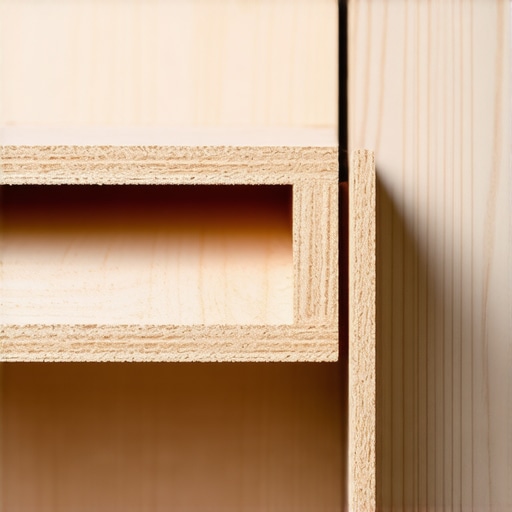
Does plywood actually outperform solid wood for heavy loads?
The short answer is yes. According to data from the Forest Products Laboratory, plywood’s cross-laminated structure provides significantly better dimensional stability than solid lumber. In an environment like a kitchen where humidity fluctuates constantly, solid wood expands and contracts in ways that can pull at your cabinet joints. For my high-end builds, I use plywood for the structural ‘guts’ and reserve the solid wood for the faces where it can be seen but not stressed. This hybrid approach is a hallmark of transform your kitchen with custom cabinets expert guide for 2025 strategies. Have you ever fallen into the ‘solid wood is always better’ trap and regretted it? Let me know in the comments.
Building the kitchen of your dreams is only the first half of the battle; keeping it in showroom condition is where most homeowners lose the plot. If you’ve invested in custom cabinets as a game changer in your kitchen remodel journey, you have to treat them like a high-performance vehicle. You wouldn’t drive a Porsche for five years without an oil change, yet we expect our pantry doors to swing perfectly forever without a single adjustment. I’ve seen $50,000 kitchens look like thrift store finds within three years because the owner didn’t know why your soft-close slides are failing and the quick cleaning fix. Most ‘grinding’ isn’t a broken slide; it’s just accumulated kitchen grease and flour dust acting like sandpaper in the ball bearings. A quick blast of compressed air and a wipe-down can save you a $100 replacement bill.
Your Kitchen Needs a 6-Month Tune-Up
Every six months, I take a screwdriver to my own kitchen. I’m checking for loose screws on the pulls and checking the door reveals. Because wood is organic, it shifts. This is especially true if you didn’t follow the inset cabinet gap re-aligning doors after seasonal humidity changes protocol. If you notice a door is hanging a fraction of an inch lower than its neighbor, don’t ignore it. That slight misalignment causes the hinge to carry weight unevenly, leading to premature metal fatigue. According to technical documentation from Blum, their high-end hinges are rated for 200,000 cycles, but that rating assumes the door is perfectly plumb. If it’s sagging, you’re cutting that lifespan in half.
How do I keep my custom cabinets looking new for decades?
Maintenance isn’t just about the hinges; it’s about the finish. I always tell my clients to stay away from harsh chemical cleaners. If you have a spill, use a damp microfiber cloth and nothing else. If you struggle with moisture, you need to know how to remove stubborn water rings from natural wood cabinet surfaces before they penetrate the lacquer. For those with painted finishes, keep an eye on the areas near the dishwasher and stove. Steam is the silent killer of paint. If you see even a tiny crack in the finish, seal it immediately with a touch-up pen to prevent moisture from getting under the ‘skin’ of the paint and causing a total failure.
The One Tool I Carry to Every Job Site
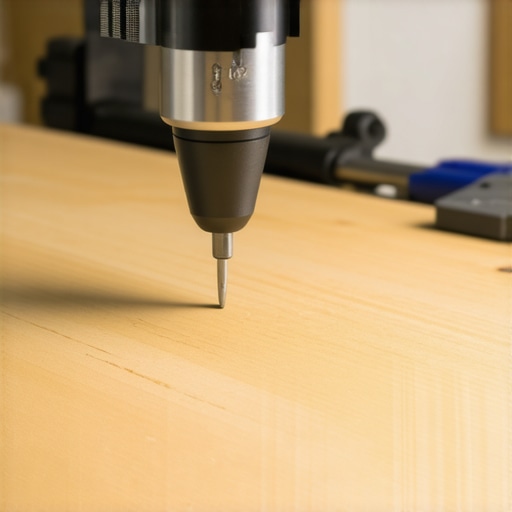
If you are a DIY enthusiast looking to maximize space with innovative storage solutions for every room, there is one tool that is non-negotiable: a professional-grade cabinet hardware jig. I personally use the True Position Drill Guide because it eliminates ‘eyeballing.’ Even a 1/16th of an inch mistake on a handle is visible from across the room. It is the one tool you need for perfectly aligned cabinet knobs every time. When you use a jig, you ensure that every pull is mathematically identical, which is the secret hallmark of a professional install. It’s also vital for preventing the hardware mistake that makes expensive cabinets look cheap, which usually involves improper spacing on wide drawers.
The Future of Kitchen Storage is Moving Fast
Looking ahead, I see the industry moving toward ‘active’ storage. We are moving away from static shelves and toward internal systems that can be reconfigured as your life changes. I predict that designing your pantry with adjustable shelf tracks will become the standard rather than an upgrade. We are also seeing a massive surge in integrated tech, such as the strategic way to light glass front cabinets without glare using motion-activated LED strips embedded directly into the cabinet carcasses. The goal for 2025 and beyond is ‘invisible’ utility—where the kitchen works for you without you having to think about it. I challenge you to pick one drawer today that’s been bothering you and apply how to fix a sagging pot and pan drawer with a center support to feel the immediate difference in your daily workflow.
Hard Truths from the Woodshop Floor
After years of installing custom cabinets, I’ve realized that the small stuff is actually the big stuff. First, never sign off on a grain direction until you’ve seen a physical sample in your kitchen’s actual light; shadows can make vertical grain look like stripes and horizontal grain look like a blurry mess. Second, if you’re torn, go vertical—it’s the safer bet for long-term resale value because it feels more architecturally anchored. Third, always ask about the ‘crown’ of the wood; even in a revolutionize your kitchen remodel using built-ins and creative storage plan, the natural curve of the timber can work for or against your door’s alignment. These expert tips on selecting storage solutions for a perfect kitchen upgrade are the nuances that prevent expensive regrets after the protective film comes off.
Gear I Use for Every Professional Cabinet Install
If you want to achieve professional results, you need the right reference points. I always keep a copy of the Architectural Graphic Standards on hand; it’s the bible for spacing and ergonomics that ensures your pantry is as functional as it is beautiful. For those diving into modern kitchen remodels featuring custom cabinets and built-ins, I recommend browsing modern kitchen remodels featuring custom cabinets and built-ins for visual inspiration before committing to a final grain pattern. I also swear by using a digital moisture meter to ensure your wood panels are acclimated to your home’s climate, which prevents the warping that ruins high-end storage solutions. Finally, a quality T-square is your best friend to ensure your horizontal grain lines are perfectly level across the entire room.
Build a Kitchen You Can Be Proud Of
Don’t let the fear of making a ‘wrong’ choice paralyze your creativity. Whether you choose the soaring lines of vertical grain to height or the grounded stability of horizontal sequencing for a modern edge, the fact that you are paying attention to these details already puts you ahead of most homeowners. Your custom cabinets ideas that transform your homes style are an investment in your daily happiness and the structural integrity of your home. Take a deep breath, trust your gut, and get ready for a reveal that will truly transform your space. Have you ever had a kitchen project where a tiny detail like wood grain completely changed the feel of the room? Let me know in the comments!