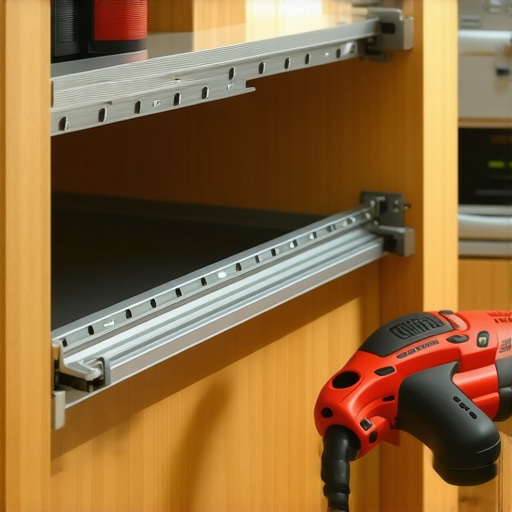
Why Your Pantry Should Have Solid Shelves, Not Wire
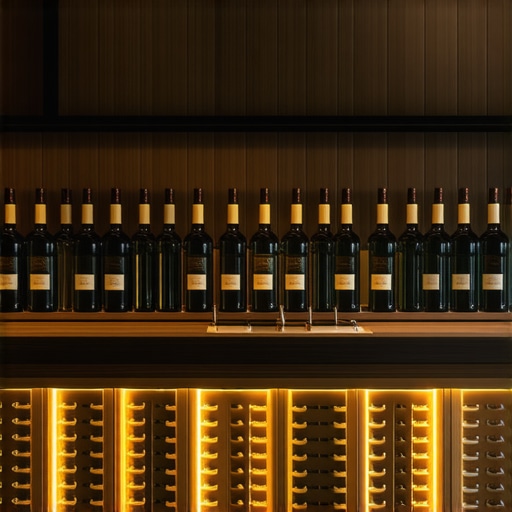
I will never forget the sound of glass shattering at two in the morning. I jumped out of bed, heart racing, thinking someone had kicked in the back door. Instead, I found a crime scene in my kitchen: a bottle of premium balsamic vinegar had performed a slow-motion tilt on the so-called “breathable” wire shelving and finally took the plunge. It was a sticky, dark mess that seeped into the grout and ruined three bags of flour. That was my breaking point. I realized that my quest to maximize my kitchen space this year was being sabotaged by flimsy, unstable wire racks that could not even hold a bottle of oil upright. [image placeholder]
The Frustrating Reality of the Wire Shelf Wobble
Let us be honest with each other. Wire shelves are the participation trophies of the home-building world. They are cheap, fast to install, and builders love them because they keep costs down. But for those of us who actually cook, they are a nightmare. Early in my first kitchen remodel journey, I made the amateur mistake of thinking that wire was better because it allowed for “airflow.” I was wrong. Airflow does not matter when your cereal boxes are constantly tipping over or when small spice jars fall through the gaps like they are escaping a prison cell. Today, we are going to fix this. I am going to walk you through why solid shelving—whether it is part of innovative storage solutions or a simple weekend DIY upgrade—is the only way to regain your sanity. We will talk about stability, cleaning, and the sheer joy of a shelf that does not leave waffle marks on your shelf liners.
Is this upgrade actually worth the investment?
I know what you are thinking: “It is just a pantry, does it really need custom wood shelves?” I had the same skepticism until I saw the data. According to the National Association of Home Builders, functional storage is one of the top features that increases a home’s value, yet many owners settle for temporary wire fixtures. Solid surfaces do not just look better; they provide a foundation for perfect kitchen upgrades like heavy-duty pull-outs. Plus, you will never have to worry about a leaking honey jar creating a sticky waterfall through five levels of wire racks again. Have you ever had a pantry disaster where a simple shelf failure caused a massive cleanup? Tell me I am not the only one who has spent an hour scrubbing vinegar off the baseboards at midnight! We are going to dive into the specifics of how to transition to solid surfaces, making sure to include features like adjustable shelving so your storage grows with your needs.
The first step in any successful pantry overhaul is the demolition phase, but do not just rip the brackets out of the drywall with reckless abandon. Think of your pantry as a blank canvas. When I finally tore out my wire racks, I realized that why your kitchen remodel should start with the floor plan applies to small closets just as much as open-concept kitchens. You need to map out exactly where your heaviest items will live. If you plan to keep a 20-pound mixer in there, you need to know the best way to store heavy small appliances in a base cabinet style shelf rather than a floating one. I once made the mistake of trying to cover my old wire shelves with flimsy plastic liners, thinking it would solve the wobble. It did not. It just created a slippery surface that made the vinegar-shattering incident even more likely. Real stability requires structural change.
Ditch the Wire and Get Your Measurements Right
Before you even look at a piece of lumber, you need to measure three times. Kitchen walls are notoriously out of square. If you assume your pantry is a perfect rectangle, your new solid shelves will either be too short to catch the supports or too long to fit. I use a laser level to mark my lines because a standard bubble level can be deceiving over a long span. This is the moment to decide on the depth. Standard wire shelves are often 12 inches deep, but if you have the room, 16 inches can be a game-changer for larger bulk items. However, do not go too deep or items will get lost in the dark Most people assume that to maximize space with innovative storage solutions for every room, you just need to make everything bigger. I am here to tell you that is a recipe for finding a jar of sun-dried tomatoes from 2014 five years from now. The “Deep Shelf Trap” is a very real hazard for the home cook. When a shelf is too deep, you stop being an organizer and start being a hoarder by default. In my experience, a 12-inch shelf is the gold standard for visibility, while anything deeper than 16 inches requires mechanical help. If you are planning modern kitchen remodels featuring custom cabinets and built-ins, you have to prioritize access over raw volume. This is why I always advocate for drawers or pull-outs for anything below eye level. Have you ever fallen into the trap of ‘more space’ only to realize it just created more hidden mess? Let me know in the comments! #IMAGE_PLACE_HOLDER_C#
Is it time to trade fixed boards for heavy-duty pull-outs?
If you are still reaching into the back of a dark cabinet on your hands and knees, you have not finished your upgrade. The National Kitchen & Bath Association (NKBA) emphasizes that ergonomic “point-of-use” storage is the key to a functional kitchen. This means if you have heavy items, you should look into the secret to installing heavy pantry pull-outs solo rather than just stacking them on a static, unreachable shelf. The biggest “oops” factor I see? People invest in beautiful custom doors but then go cheap on the internal hardware. They forget that the slides and hinges are what actually do the heavy lifting daily. This is precisely why your custom cabinets should feature dovetail drawers; the mechanical stress on a pantry pull-out is immense compared to a standard drawer. Another advanced nuance is the “shelf thickness” math that most DIYers ignore. If you are designing the best way to organize a large walk-in pantry, you might plan for six shelves based on wall height. But if those shelves are 3/4-inch plywood with a 1.5-inch decorative face frame, you have just lost nearly 10 inches of vertical space just to the wood itself. This is where creating seamless kitchen remasters with built-in storage solutions becomes an art form; you must calculate the exact clearance between your tallest cereal box and the bottom of the next shelf’s support. It is these small, analytical details that separate a basic pantry from a professional-grade storage system. You can revolutionize your kitchen remodel using built-ins and creative storage, but only if you respect the physics of the space you have.
Grab These Tools Before You Cut Your First Board
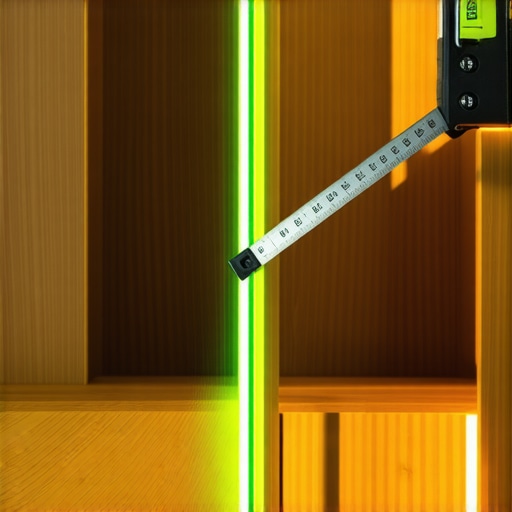
Respecting the physics of the space means using tools that do not lie to you. When I moved away from wire shelving, I realized my standard tape measure was only part of the equation. I started relying heavily on a Kreg shelf pin jig to ensure that my adjustable pantry shelves were perfectly level across all four corners. If you are even a fraction of an inch off, you will hear a phantom rattle every time a heavy jar is placed down. I also cannot stress enough the importance of a high-quality laser level. In my last kitchen remodel, the walls were bowed by nearly half an inch. Without a laser line to guide the support cleats, the shelves would have been under constant tension, eventually leading to the wood bowing or the screws stripping out of the studs. For those attempting a solo install, get yourself a set of ‘third-hand’ support poles. They act like a temporary partner, holding the weight of a heavy solid shelf while you secure the fasteners.
Beyond the structural wood, your hardware is the heartbeat of the system. I have learned the hard way that saving twenty dollars on generic drawer slides is a recipe for disaster. According to technical documentation from Blum, specifically for their TANDEM plus BLUMOTION system, precise side clearances of exactly 21mm are required to prevent premature wear on the internal dampening components. If your cabinet box is slightly out of square, those expensive slides will fight against the wood every time you pull out a shelf of heavy canned goods. This friction is exactly why your drawer slides are grinding and why you might eventually see metal shavings in your pantry. Using high-end hardware is part of the perfect kitchen upgrade because it turns a storage closet into a precision machine.
How do I keep my custom pantry working like new?
Maintenance is the part of the journey most people skip until something breaks. Every six months, I do a ‘hardware audit.’ I check the mounting screws on my pull-outs because the vibration of daily use can slowly loosen them in softer wood species. If you notice a slight tilt, learn how to fix a cabinet door that is rubbing the frame before the finish is ruined. I also keep a small bottle of dry silicone lubricant on hand. Never use WD-40 on your cabinet slides; it attracts dust and turns into a sticky paste that will seize your bearings. A quick wipe-down of the tracks with a microfiber cloth and a drop of dry lube keeps the motion fluid. Additionally, if you have invested in the secret to a quiet kitchen—those wonderful soft-close dampers—check their resistance. If they start to feel sluggish in winter, it is usually just the hydraulic fluid thickening, and a few full-extension pulls will usually warm them back up.
Looking toward the future, I see pantry storage becoming increasingly ‘smart.’ We are moving away from simple static boxes and toward modular, tech-integrated systems. I am already seeing trends where integrated LED lighting is triggered by motion sensors hidden in the shelf standards, and I predict we will soon see weight-sensing mats integrated into modern kitchen remodels that alert your phone when you are low on staples like flour or sugar. This isn’t just about gadgetry; it is about scaling your storage to fit a high-speed lifestyle. Whether you choose to revolutionize your kitchen remodel using built-ins or just want a better way to find the peanut butter, the goal remains the same: a space that serves you, rather than one you have to fight. Try this today: Grab a screwdriver and check the tension on your most-used pantry pull-out; a five-minute adjustment now prevents a major hardware failure next year.
[image placeholder]
Hard Truths from the Back of My Pantry
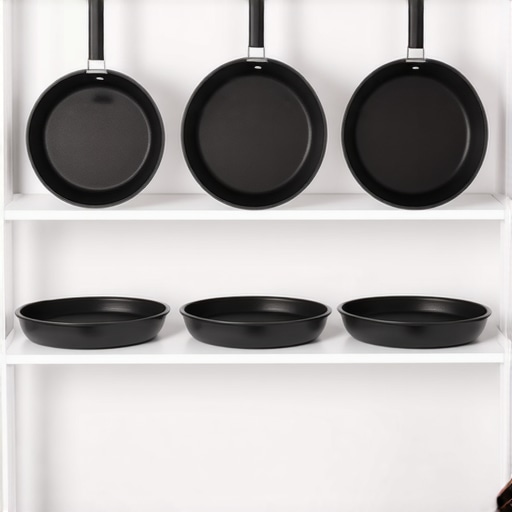
After years of tweaking my own setup and helping friends with their smart storage solutions for small kitchens in 2025, I have realized that the most expensive wood in the world will not save a poorly planned layout. One of my biggest lightbulb moments was realizing that I did not need more shelves; I needed more specific heights. Most people space shelves equally, but your cans of soup do not need the same vertical clearance as your stand mixer. I also learned that if you do not paint or seal the underside of your shelves, you will regret it the first time you drop a jar of honey. The raw wood will absorb the mess, and you will be smelling fermented sugar for months. Finally, never underestimate the power of a simple white finish to reflect light into the deepest corners; dark wood looks sophisticated on Pinterest, but in a real-world pantry, you will need a flashlight just to find the salt.
My Precision Kit for a Wobble-Free Kitchen
If you are serious about this upgrade, do not just wing it with a hammer and nails. I personally swear by the National Kitchen & Bath Association’s design standards for weight distribution, but for the actual build, I rely on a few specific tools. First, a high-quality pocket-hole jig is non-negotiable for sturdy, hidden connections that can handle heavy bulk items. Second, I always refer back to the expert guide for 2025 when I am choosing materials, as it helps me avoid softwoods that dent easily under the weight of heavy cans. Lastly, I suggest investing in a digital angle finder; your pantry walls are almost certainly not 90 degrees, and knowing the exact deviation will save you from ugly gaps that attract dust and spiderwebs.
Build the Pantry You Actually Deserve
Moving away from wire shelving is not just about aesthetics; it is about creating a kitchen that works with you rather than against you. When you invest in built-ins and storage hacks, you are reclaiming the peace of mind that comes with a stable, organized home. You have done the research and you have seen the pitfalls—now it is time to pick up the tape measure and make your first cut. Your future self, the one who is not cleaning up shattered glass at two in the morning, will thank you. Remember, every great stylish kitchen overhaul starts with a single, level line. Have you ever had a wire shelf disaster that finally pushed you to upgrade? Let me know in the comments below!