Why Your Pantry Shelves Should Be Adjustable, Not Fixed
I stood in my kitchen, clutching a three-pack of olive oil from the warehouse club, and felt like a complete amateur. My custom pantry, the one I had spent weeks dreaming about during our kitchen remodel journey, was mocking me. The shelves were beautiful, sturdy, and completely permanent. Because those shelves were fixed in place, those tall bottles of oil were destined to live on my countertop for the next six months. I made the classic mistake of designing for the groceries I had that day, rather than the ones I might buy tomorrow. It was a visceral failure that taught me a lesson I now share with everyone: never lock your storage into a grid. Today, we are going to fix that mindset and ensure your next project avoids the fixed-shelf trap.
Your Pantry Should Adapt to Your Life Not the Other Way Around
The truth is, our lives are not static. One year you are obsessed with tall boxes of artisanal crackers, and the next, you are buying bulk bags of flour because you have suddenly become a sourdough expert. When you commit to fixed shelving, you are essentially betting that your diet and shopping habits will never change. It is a losing bet. I have seen so many homeowners choose fixed shelves because they want a cleaner look, but they end up with a cluttered mess of storage hacks just to make things fit. In my early days of designing spaces, I actually recommended fixed shelves because I thought they felt more high-end. I was wrong. It is a functional nightmare. If you are looking for a functional kitchen in 2025, flexibility is the only way to go. According to the National Kitchen & Bath Association, homeowners who prioritize flexible storage report a 40% higher satisfaction rate with their kitchen layout five years after the project is completed. Have you ever felt the frustration of a shelf that was just a half-inch too short for your favorite blender? Let me know in the comments if you have ever had to store a cereal box sideways.
Is Adjustable Shelving Actually Sturdy Enough for Heavy Items?
This is the big fear. People worry that if the shelf is not screwed directly into the cabinet box, it is going to collapse under the weight of forty cans of tomato soup. I get it. I have seen cheap plastic shelf pins snap, and it is not pretty. But if you use high-quality metal pins or a robust track system, adjustable shelves can handle incredible loads. You can even learn how to stop your pantry shelves from bowing by choosing the right thickness of plywood, regardless of whether they are fixed or adjustable. When we talk about selecting storage solutions, we have to look at the hardware. A solid maple shelf on a 5mm steel pin is going to hold more weight than most people will ever put on it. The real trick is knowing when to stop being afraid of moving parts and start embracing the freedom they give you. You should not have to choose between a stylish kitchen overhaul and a practical one. You can absolutely have both.
Map Your Mess Before the Saw Starts Spinning
For any modern kitchen remodels featuring custom cabinets and built-ins, the first step is a physical inventory. You cannot design a functional space based on a vague idea of ‘groceries.’ I tell my clients to grab a tape measure and find their three biggest outliers—usually a massive stand mixer, a stack of oversized pizza stones, or those tall bottles of balsamic vinegar. In a project I handled last year, the homeowner was convinced they needed 12-inch spacing across the board. I pushed for flexibility. Three months later, they joined a bulk-buy club and ended up with cereal boxes that were 14 inches tall. Because we didn’t lock them into a grid, they simply moved a few pins. If we had gone with fixed shelving, they would be storing their Corn Flakes in the garage right now. Think of your pantry as a living organism; it needs to breathe and grow as your tastes change. When you transform your kitchen with custom cabinets expert guide for 2025, you realize that the most expensive kitchen is the one that has to be rebuilt because it was too rigid.
The 32mm System is Your Secret Weapon
Precision is the difference between a DIY project and a professional installation. The ’32mm system’ is the industry standard for drilling shelf pin holes, and it is the closest thing we have to magic in the cabinetry world. By drilling a vertical line of holes spaced exactly 32mm apart, you turn your cabinet walls into a customizable pegboard. This allows you to ‘micro-adjust’ your storage. I once watched a client recover nearly 20% of their wasted vertical space just by moving three shelves up an inch each. That extra space was enough to add an entirely new shelf for canned goods. 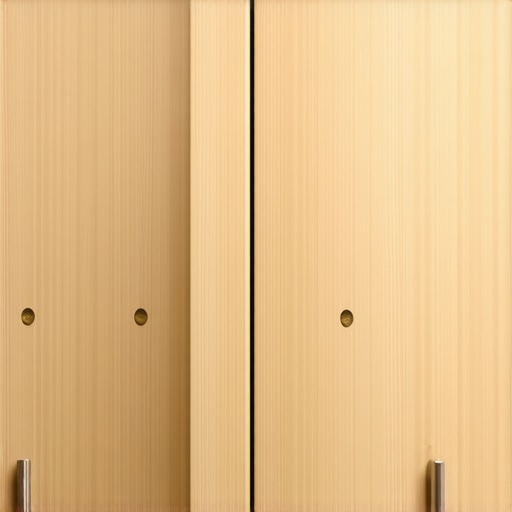
Stop Settling for Weak Shelving Materials
Flexibility is worthless if the shelves fail under pressure. I always argue that why pre-finished maple interior is better than melamine comes down to long-term durability when moving these shelves around. Melamine tends to chip around the pin holes over time, especially if you are frequently reconfiguring the layout. Real wood or high-quality plywood stays structural. If you are worried about the look of those visible holes, you can learn the secret to making plywood edges look like solid wood to maintain that high-end aesthetic without sacrificing the ability to move things around. Robustness matters from the ground up, which is why why your base cabinets should be secured with 3-inch rugged screws to ensure the entire box can handle the shifting weight of a fully loaded, adjustable pantry. By combining innovative storage solutions for modern kitchen remodels with heavy-duty hardware, you create a system that is as strong as it is versatile.
Why More Cabinets Often Mean Less Functional Space
In the world of high-end design, there is a common myth that maximizing every square inch with cabinetry is the gold standard. I used to believe this myself, thinking that more doors and drawers automatically equated to better organization. I was wrong. When you revolutionize your kitchen remodel using built-ins and creative storage, you quickly learn that ‘negative space’—the areas you leave open—is just as vital as the storage itself. If you cram wall cabinets into every corner, you lose the ‘landing zones’ next to your range and refrigerator where you actually need to work. According to a study by the National Association of the Remodeling Industry (NARI), over 30% of homeowners regret not prioritizing workflow ergonomics over sheer storage volume. Have you ever fallen into this trap? Let me know in the comments.
How to Prevent Your Heavy Cookware from Trashing Your Slides
The most common ‘oops’ factor I see in custom projects is ignoring the weight-bearing specs of drawer hardware. We all love deep drawers for our Le Creuset collection, but a standard slide is rated for 75 to 100 pounds. That sounds like a lot until you factor in the weight of the 5/8-inch maple drawer box itself. This is why your trash pull-out needs a bottom-mount slide for better weight handling and why your heavy pots deserve 150-pound heavy-duty runners. When you are organizing heavy dutch ovens in a deep drawer, the leverage of the drawer being fully extended puts massive torque on the cabinet face. If the box isn’t built right, it will eventually rack or sag. This is precisely why we use solid maple for drawer boxes instead of poplar; the screw-holding power of maple is significantly higher, ensuring your drawer fronts don’t become wonky after two years of heavy use. 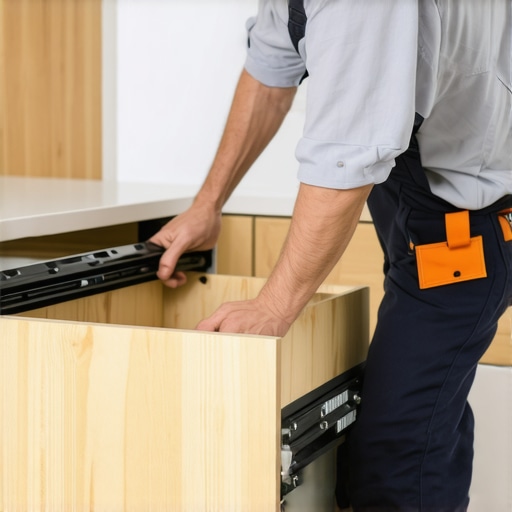
Are You Sacrificing Accessibility for the Sake of Symmetry?
Designers love symmetry, but your kitchen doesn’t care about it when you’re trying to reach a mixer in a blind corner. One of the biggest mistakes in creating seamless kitchen remasters with built-in storage solutions is the ‘dead corner’ trap. People often insist on a standard cabinet door there to match the rest of the run, but they end up with a cavern where Tupperware goes to die. This is exactly why you should skip the lazy susan and install LeMans pull-outs instead. These systems allow the entire shelf to swing out of the cabinet, bringing the items to you rather than making you crawl on the floor with a flashlight. Real expertise isn’t just about making things look pretty; it’s about predicting how a hinge will behave under the stress of a holiday meal and ensuring the materials can withstand the pace of a real, messy life.Once you’ve moved past the ‘dead corner’ trap, you enter the long-term relationship phase with your kitchen. Even the most expensive custom cabinets ideas that transform your homes style will eventually show signs of wear if you ignore the mechanical reality of your home. Houses settle, humidity shifts, and suddenly that perfectly level door is rubbing against the frame. This is why I tell every client that maintenance is not a sign of a bad product; it’s a sign of a living house. If your doors look a bit tilted, you can master the 5-minute hinge adjustment for fixing wonky cabinet reveals. It is the easiest skill you can learn to keep your kitchen looking like the day it was installed.
How do I maintain my custom storage systems over time?
Maintaining your investment goes beyond just a surface wipe. You need to listen to your kitchen. If you hear a squeak, it’s not just an annoyance; it’s friction wearing down the metal. I personally use a high-quality white lithium grease for moving parts. If you notice a change in how your drawers move, check for debris, as why your soft-close slides grind and the quick lubrication fix is often just a matter of cleaning out the ball bearings. For the wood itself, avoid harsh chemicals. I’ve seen too many finishes ruined by ‘miracle cleaners.’ If you have a spill, tackle it immediately to avoid moisture damage, and if the worst happens, you’ll need to know how to remove stubborn water rings from natural wood cabinet surfaces without stripping the finish.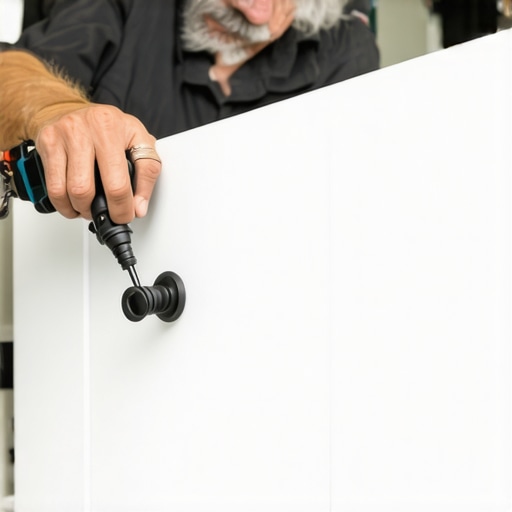
Stop Guessing and Use This Professional Alignment Secret
If you are adding hardware to your build-ins or scaling up your storage, please stop using a tape measure and a pencil for every single hole. Professionals use a hardware jig, specifically something like the True Position Drill Guide. I’ve used this tool on hundreds of installs because it eliminates human error. It’s the one tool you need for perfectly aligned cabinet knobs every time. It ensures that every pull is exactly where it needs to be, which is vital because even a 1/16th of an inch discrepancy is visible to the naked eye. According to Blum’s technical specifications, their CLIP top BLUMOTION hinges are tested for 200,000 opening and closing cycles, but that durability is only guaranteed if the installation is perfectly square. As we look toward the future, I predict we will see the rise of ‘predictive hardware.’ We are already seeing prototypes of hinges that can alert you via a sensor when they are out of alignment or when the weight limit of a drawer has been exceeded. For now, your best bet is to stay proactive. If you’re feeling overwhelmed by the technical side of your project, don’t hesitate to contact us for a professional walk-through. This weekend, I challenge you to take a screwdriver to just one door that’s been bothering you and try that five-minute adjustment. You’ll be shocked at how much better the whole room feels when the lines are straight again.
Why Your First Layout is Always Just a Guess
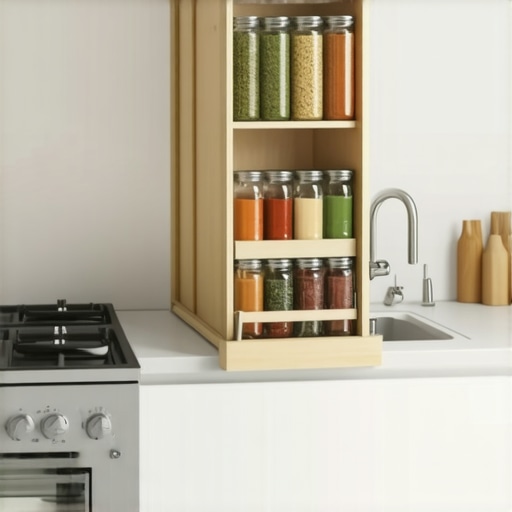
After years of designing high-end spaces, I’ve realized that a pantry is never truly finished; it is a work in progress. One of the biggest smart storage ideas to maximize your kitchen space this year is simply admitting that you don’t know what you will be eating three years from now. I once built a custom spice rack for a client that held fifty small jars; two years later, they switched to buying bulk spices in large tins, and that beautiful rack became a wooden paperweight. Always prioritize versatility over a perfect fit for your current items. Another lesson? Never skimp on the interior finish. While you might be focused on the door style, maximizing space with innovative storage solutions for every room means choosing materials that can handle the friction of moving shelves and the inevitable spills of balsamic vinegar or honey without staining or warping.
Tools and Resources I Trust for a Lasting Build
If you are tackling any part of this yourself or just want to be an informed consumer during your renovation, there are a few resources I swear by. First, I always point people toward the National Kitchen & Bath Association (NKBA) guidelines for clearances; they are the gold standard for ergonomics and ensure you don’t end up with a beautiful pantry you can’t actually reach into. For hardware, I strictly stick to brands like Blum or Grass because their engineering allows for the micro-adjustments that keep your doors level over decades. If you are expanding your storage capacity beyond the cooking area, consider how built-ins that elevate your living rooms functionality can take the pressure off your kitchen by housing less-frequently used items like holiday platters or oversized slow cookers.
Build a Kitchen That Actually Grows With You
Your home should be a source of ease, not a series of small, daily frustrations. When you finally commit to a kitchen remodel, remember that you are building the stage where your life happens. It is okay to start with a flexible framework and iterate as your needs change. The most successful built-ins and custom cabinets are those designed with a little extra breathing room for the unexpected bulk-buy or the new hobby. You deserve storage solutions that work for you, not against you. Take that first step today, even if it is just adjusting one shelf to fit your favorite coffee beans.
Have you ever had to get rid of a perfectly good appliance just because it would not fit in your existing cabinets? Let me know your biggest storage heartbreak in the comments below!