How to Fix a Cabinet Hinge That Squeaks Every Time
It was 2:14 AM, and all I wanted was a glass of water. I crept through the kitchen, dodging the dog’s squeaky toy, only to be betrayed by my own pantry. CREEEEEEAK. That high-pitched, metallic groan echoed through the house like a horror movie sound effect. My toddler woke up, the dog started barking, and my “silent” midnight snack turned into a full-blown family reunion. It’s funny how in a modern kitchen remodel, we focus on the stone counters and the custom cabinet ideas, yet a single unlubricated hinge can make the whole place feel like a haunted shack.
Stop the Squeak Before You Lose Your Mind
If you are reading this, you are probably at your wit’s end. Maybe you have tried hitting it with a hammer (please don’t) or you’ve just learned to live with the noise. I’m here to tell you that you don’t have to suffer. Today, we are going to fix that annoying sound for good. I’ve spent years tinkering with functional kitchen storage, and I’ve learned that the secret to a high-end feel isn’t just the wood—it’s the silence. Dampening your cabinet doors is essential, but if the hinge itself is screaming, no bumper in the world will save you. I remember my first “pro” fix. I grabbed a can of standard WD-40 and went to town. Huge mistake. The overspray dripped down the wood, and because I didn’t realize why standard paint or finishes react poorly to chemicals, I ended up with a permanent stain on my cabinet face. I learned the hard way that a little precision goes a long way.
Will a cheap fix actually last?
You might be thinking that a quick spray is just a temporary band-aid. And you’re right—if you use the wrong stuff. According to a report by the Architectural Woodwork Institute, hardware friction is one of the leading causes of premature hinge failure in residential cabinetry. If you ignore that squeak, you aren’t just dealing with noise; you are wearing down the metal components that keep your stylish kitchen overhaul looking sharp. Have you ever had a cabinet door that felt like it was fighting back every time you opened it? Let me know, because I’ve definitely been there.
Why Your Hinges Are Screaming for Help
Most people assume a squeak is just “old age,” but even brand-new frameless cabinet hinges can start acting up if the humidity drops or if a bit of construction dust gets trapped in the pivot point. It’s all about friction. When two pieces of metal rub together without a barrier, they create heat and noise. Over time, this doesn’t just sound bad—it can actually lead to the grinding feel you get with dirty ball bearings. We need to address the root cause before the metal starts to shave off.
Clear Out the Grime Before You Reach for the Oil
Think of your cabinet hinge like a tiny engine. If you dump oil into an engine full of sand, you aren’t fixing it; you are making a grinding paste. Most people skip the cleaning step because they want the instant gratification of a silent door, but that is how you end up with a black, oily mess dripping onto your custom cabinet ideas. I remember a kitchen remodel I did in a drafty old farmhouse where the hinges were caked in a mix of cooking grease and drywall dust. I thought I could just spray through it. Within two days, the hinges didn’t just squeak—they felt like they were filled with gravel. I had to take the doors off and soak the hardware in degreaser just to save them.
Use a Focused Cleaner Not a General Spray
Grab an old toothbrush and a mild degreaser. You need to scrub the pivot points—the tiny gaps where the metal plates meet. If you are working with smart storage solutions for small kitchens in 2025, you likely have high-tech European hinges that are sensitive to debris. Gently brush away any visible buildup. This ensures that when we apply the lubricant, it actually reaches the metal-on-metal contact points instead of just sitting on top of a layer of dust. 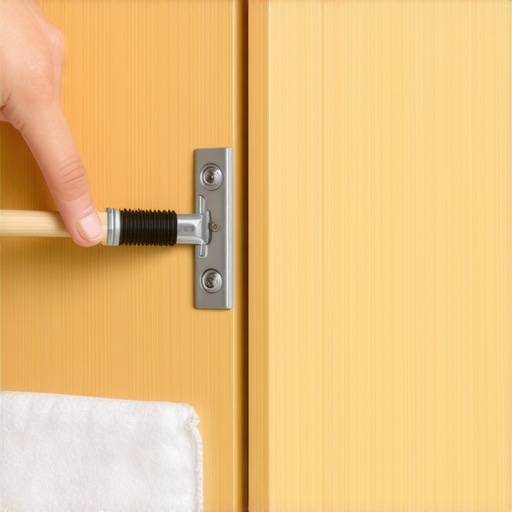
Choose the Right Lubricant for Your Woodwork
This is where most homeowners go wrong. A standard spray-can lubricant might work for a rusted gate, but inside your home, you need to be surgical. You want something that stays put. If the lubricant is too thin, it will run. If it stays wet for too long, it attracts more dust. I highly recommend a dry-film silicone spray or a white lithium grease. These are staples when we are installing modern kitchen remodels featuring custom cabinets and built-ins because they provide a long-lasting barrier without the drip.
The Problem With Standard Hardware Sprays
Most common multi-purpose sprays contain solvents that can actually eat away at the clear coat of your wood. If you aren’t careful, you’ll find out the hard way why using standard interior paint on your kitchen cabinets is a five-year mistake, as the chemicals cause the finish to soften or peel. Always hold a rag behind the hinge while you apply the lubricant to catch any overspray.
Apply Lubrication Like a Surgeon
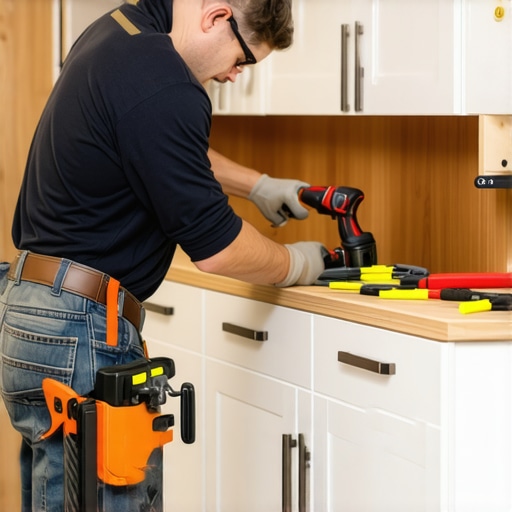
Open the cabinet door all the way to expose the hinge’s internal spring and pivot pin. Apply a tiny amount of your chosen lubricant directly into the joint. Move the door back and forth ten to fifteen times. This movement works the lubricant into the tightest spaces. If the squeak persists, you might be dealing with a loose screw rather than a dry hinge. If the screw spins without tightening, you’ll need to learn how to fix a stripped screw hole in a solid wood cabinet door to get that solid, silent seal back.
Check for Physical Obstructions
Sometimes the noise isn’t the hinge at all—it’s the door rubbing against the face frame. This happens as houses settle or hinges loosen over time. Before you assume you need more oil, look for wear marks on the wood. If you see a spot where the finish is buffed or scratched, you need to perform the 5-minute hinge adjustment for fixing wonky cabinet reveals. Adjusting the depth and lateral screws can pull the door away from the frame, instantly killing the noise. This is a crucial skill for maintaining expert-designed storage solutions, ensuring your high-end hardware operates as smoothly as the day it was installed.While we are talking about hinges and adjustments, let’s peel back the curtain on the industry itself. Most homeowners believe that ‘custom’ means the highest quality by default. In my decade of doing modern kitchen remodels featuring custom cabinets and built-ins, I’ve seen ‘custom’ work that was structurally weaker than big-box store cabinets. The truth is, the wood species—be it walnut or rift-sawn oak—is just the pretty face. The real quality lies in the joinery you can’t see, and that is where most people get it wrong.
Stop Obsessing Over Wood Species and Look at the Box
Everyone tells you that solid wood is the gold standard, but in my experience, a high-quality furniture-grade plywood box beats a solid wood box every time because it handles humidity shifts without warping. If you want custom cabinets as a game changer in your kitchen remodel journey, you have to look at how they are put together. A major ‘oops’ I see all the time is relying on glue alone. This is why your cabinet boxes should be stapled, glued, and screwed. If your builder is skipping those mechanical fasteners, those silent hinges we just fixed will eventually pull the whole frame apart. The National Kitchen & Bath Association (NKBA) notes that structural failure in cabinetry often stems from insufficient load-bearing joinery rather than the quality of the finish itself. 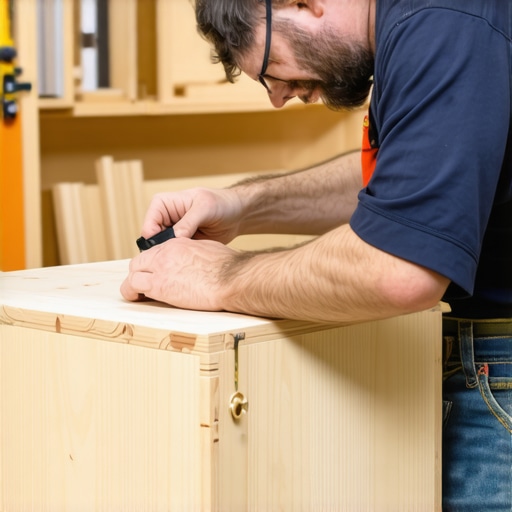
Why does your custom quote vary so much between shops?
I get this question constantly. You’ll get one quote for $15,000 and another for $30,000 for what looks like the same layout. The difference is usually in the ‘hidden’ engineering. Are the interiors melamine or pre-finished plywood? Are the drawers dovetailed or just butt-jointed? Knowing why your custom cabinet quote varies so much between shops is the first step in being a savvy homeowner. If the price seems too good to be true, they are likely cutting corners on the thickness of the cabinet backs or the quality of the slides.
Don’t Let Your New Floor Kill Your Custom Cabinets
Here is the ultimate ‘trap’ that ruins even the best expert-designed custom cabinets for 2025: the flooring sequence. I’ve walked into dozens of homes where the homeowner installed beautiful new floors first and then sat the cabinets right on top. If you are using modern floating floors, this is a disaster. This is why luxury vinyl plank should not be trapped under your base cabinets. The weight of the cabinets prevents the floor from expanding and contracting, which leads to buckling, floor gaps, and eventually, it can even pull your cabinets out of alignment, causing those squeaky hinges to return. Have you ever fallen into the trap of choosing aesthetics over engineering? Let me know in the comments—I’d love to hear your remodel horror stories so we can help others avoid them!Once you’ve dodged the flooring pitfalls and handled the initial squeaks, you have to think about the “forever” part of your kitchen. High-end hardware is a marvel of engineering, but it isn’t set-it-and-forget-it. According to technical documentation from Blum, their hinges are tested for 200,000 opening and closing cycles, but that rating assumes the hinge stays in perfect alignment. When a door starts to sag, it puts uneven pressure on the internal tension springs, which is a fast track to a snapped hinge.
Keep Your Investment From Falling Apart
The best thing you can do for your modern kitchen remodels featuring custom cabinets and built-ins is a “six-month check-up.” This isn’t just about wiping down the faces; you need to check the reveal—the tiny gap between the doors. If that gap looks uneven, you are looking at potential wood-on-wood friction. I always keep a dedicated Pozi-drive #2 screwdriver in my kitchen junk drawer for this exact reason. Most people use a standard Phillips head, but European hinges are specifically designed for the Pozi-drive. The extra “cross” on the tool’s tip prevents the screwdriver from slipping and stripping the soft metal adjustment screws. This simple tool choice makes the 5-minute hinge adjustment for fixing wonky cabinet reveals feel like a breeze rather than a struggle. 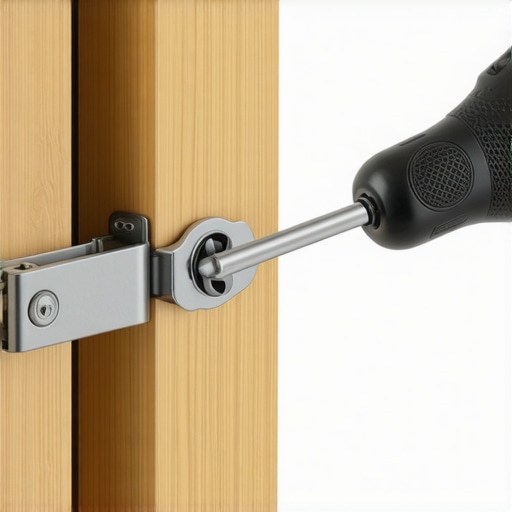
How do I maintain custom woodwork over the long haul?
While you’re checking the hardware, take a look at the finish. You might notice why your white cabinets are turning yellow near the stove—this is usually due to grease and UV exposure. A quick wipe with a damp microfiber cloth (no harsh chemicals!) keeps the topcoat intact. I’ve found that expert-designed storage solutions often fail not because the wood broke, but because the owner didn’t know how to adjust the slides when they got dusty. If a drawer feels sticky, don’t force it; learn how to fix a drawer that won’t close all the way by clearing the tracks before you blow out a bearing. Looking ahead, I predict we are going to see “smart” hardware integrated into smart storage solutions for small kitchens in 2025 that actually notifies your phone when a hinge is out of alignment or a drawer is overloaded. It sounds futuristic, but the tech is already being prototyped in high-end European shops. Until then, you are the sensor. If it sounds wrong or feels heavy, it needs a tweak. Don’t let your beautiful custom cabinets as a game changer in your kitchen remodel journey become a source of stress. This weekend, I want you to grab a screwdriver and fix just one door that’s been rubbing or clicking. Once you see how easy it is to reclaim that silent, luxury feel, you’ll want to do the whole house.
The Brutal Lessons I Learned from High-End Hardware
After years of installing and repairing cabinetry, I’ve realized that the most expensive kitchen in the world can feel like a bargain-bin disaster if the doors don’t hang right. One of the biggest lightbulb moments for me was realizing that humidity is a living thing; your wood breathes, and your hinges have to compensate for that movement. I also learned that ‘good enough’ alignment is the enemy of longevity. If you see a door sagging, fix it today. Waiting only invites the wood to warp or the screw holes to strip out entirely. Finally, remember that your innovative storage solutions for modern kitchen remodels are mechanical systems, not just furniture. They need a drop of oil and a turn of a screw just like a fine watch to stay in peak condition.
My Go-To Essentials for Hardware Maintenance
To keep your kitchen performing at a professional level, you don’t need a workshop full of power tools. I always recommend keeping a Pozi-drive #2 screwdriver—not a Phillips—in your junk drawer to prevent stripping those delicate European adjustment screws. For lubrication, a tube of white lithium grease is worth its weight in gold because it doesn’t run or attract kitchen grime like standard multi-purpose oils. If you’re looking for inspiration on how to layout these spaces to begin with, I often point people toward smart storage ideas to maximize your kitchen space this year. And for those moving beyond the kitchen, these same maintenance principles apply to built-ins that elevate your living room’s functionality, ensuring every door in your home operates with a premium feel.
Claim the Kitchen You Deserve
You’ve put the work in to understand the engineering and the mechanics behind your home. Now, it’s time to enjoy the silence. A successful modern kitchen remodel is measured by how it feels during those quiet midnight snack runs, not just how it looks in a magazine. If you ever feel stuck or need a professional eye to evaluate your hardware, don’t hesitate to reach out to us directly. You now have the tools and the knowledge to keep your home running smoothly for decades to come. Have you ever had a cabinet hinge that just refused to stay silent no matter what you tried? Let me know in the comments!