The Secret to Choosing Hardware That Does Not Snag Your Pockets
Riiiiip. That’s the distinct, gut-wrenching sound of a favorite pair of jeans meeting a poorly chosen T-bar pull at seven in the morning. I was just reaching for the coffee beans when the protruding end of my stylish new cabinet handle hooked into my pocket, and—well, let’s just say that kitchen renovation suddenly cost me an extra eighty bucks in denim. It was a classic ‘form over function’ failure that I’ve seen repeated in dozens of homes since. We spend weeks agonizing over wood species or the perfect countertop slab, but we treat hardware like an afterthought. Trust me, after years of designing spaces and making my own share of mistakes, I’ve learned that the wrong knob or pull can turn a beautiful kitchen into a minefield for your wardrobe.
Stop Letting Your Kitchen Handles Ruin Your Pants
Choosing hardware isn’t just about matching the finish to your faucet. It’s about ergonomics and the flow of your daily life. When I first started out, I was obsessed with the industrial look of long T-bars. I installed them everywhere during my own custom cabinets journey, only to realize that every time I leaned against the counter, I was risking a wardrobe malfunction. The secret to a frustration-free kitchen lies in understanding the ‘catch points’—those little overhangs on the ends of pulls that love to grab onto loose sleeves and pockets. Today, I’m going to show you how to identify the hardware styles that provide that sleek, modern look without the aggressive physical contact. According to the National Institute of Building Sciences, home ergonomics are vital for preventing minor household injuries and daily frustrations, and hardware is a massive part of that equation. We’ll look at why ‘closed-loop’ designs are your best friend and how to use T-bar pulls correctly if you just can’t live without that specific aesthetic. Have you ever had a handle ‘attack’ you while you were just trying to make toast? It’s more common than you think.
Is snag-free hardware actually worth the extra effort?
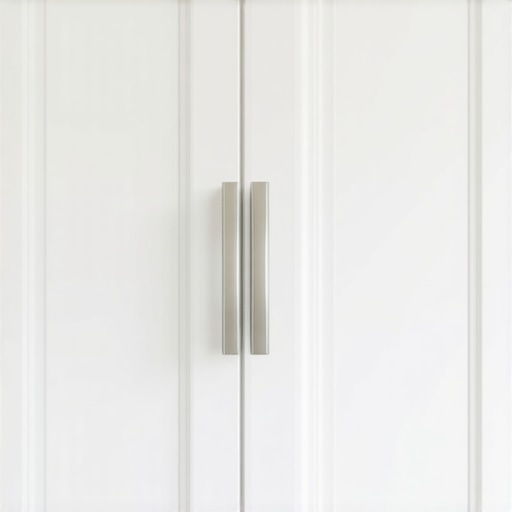
Some folks argue that I’m being a bit too picky. They’ll say, ‘It’s just a handle, just be more careful!’ But if you’re designing a high-traffic area, being ‘careful’ shouldn’t be a requirement for walking through your own kitchen. Choosing hardware with ‘returns’—where the handle curves back toward the door—eliminates the gap that catches fabric. It’s a small change that yields massive rewards in comfort. If you’re currently staring at a pile of samples and feeling overwhelmed, reach out to us and we can talk through what actually works in a real, busy home. We’re going to dive into the specific measurements and shapes that keep your pockets safe while keeping your kitchen looking like a magazine spread.The first thing you need to look for is the ‘return’ of the handle. Think of your hardware like a rock climbing hold; some are designed to be gripped, while others are designed to be hooked. A traditional T-bar pull is a ‘hook’ because the ends extend past the mounting posts. To fix this, you want a ‘D-style’ pull where the ends curve back and meet the cabinet face. This creates a closed loop, leaving no open end for a pocket or a sleeve to slide into. It’s a simple geometric fix that transforms the safety of your workspace. When we plan built-ins and storage hacks for a sleek functional kitchen, the physical profile of the hardware is just as important as the drawer depth. 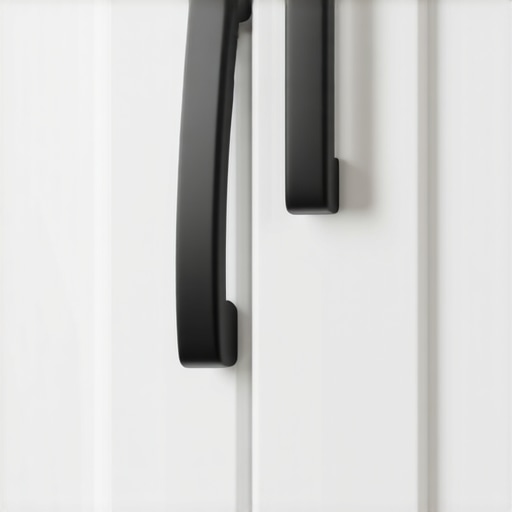
The Magic of the Closed-Loop Return
I once worked with a client who had spent thousands on a beautiful set of high-gloss cabinets. She insisted on oversized, sharp-edged T-bars that matched her industrial lighting. Three days after the install, she sent me a photo of a shredded cashmere cardigan and a very expensive pair of yoga pants. The result was messy—we had to patch the holes, which is incredibly difficult on high-gloss finishes, and swap everything out for a rounded ‘bridge’ pull. Since then, I always recommend handles where the ‘return’ is flush or nearly flush against the wood. It’s why smart storage ideas to maximize your kitchen space this year often prioritize recessed or edge-pull hardware that stays out of the way of your body’s natural movement.
Projection and the Two-Finger Rule
Next, you have to consider projection—how far the handle sticks out from the cabinet door. If a handle sticks out too far, it becomes a literal hurdle in your path. A good rule of thumb is the ‘two-finger rule.’ You should be able to comfortably fit two fingers behind the pull to open it, but no more. Anything larger is wasted space and an increased snag risk. This is particularly crucial when dealing with custom cabinets ideas that transform your homes style, as you can tailor the hardware to the specific ‘lane’ width of your kitchen. If you have a narrow galley, you need low-profile hardware.
Placement Hacks That Save Your Pockets
The height at which you install your pulls also dictates the ‘strike zone’ for your clothes. Standard placement usually puts pulls right at hip height for the average adult—exactly where pockets live. By shifting the hardware slightly higher or lower, or opting for vertical orientations on base cabinets, you can move the catch point away from the danger zone. However, if you move them, consistency is key. You should use the one tool you need for perfectly aligned cabinet knobs every time—a dedicated cabinet jig—to ensure that every handle is identical. Even a quarter-inch variation will be visible to the naked eye and ruin the custom look you’re striving for.We’ve spent a lot of time on the outside of the door, but if we really want to talk about expertise, we have to look at what’s behind the hinges. Most homeowners think ‘custom’ is just a fancy word for picking a specific shade of navy blue. In reality, the real distinction lies in the engineering. A common myth I constantly run into is that all cabinet boxes are created equal as long as the doors are solid wood. This couldn’t be further from the truth. In fact, why pre-finished maple interior is better than melamine is a hill I will die on. Melamine is essentially a sticker over particle board; it looks great on day one, but the moment a bottle of olive oil leaks or a pipe drips, it begins to swell and disintegrate.
Will those tall pantry doors warp by next summer?
It’s a question that keeps high-end designers up at night. When you’re dealing with large vertical surfaces, physics is your biggest enemy. If your builder doesn’t understand how to pick the right wood grain direction for tall pantry doors, you’re in trouble. Wood is a living material that breathes. The National Kitchen & Bath Association (NKBA) notes in their technical manuals that structural failures in cabinetry are rarely about the wood species itself and almost always about how the wood was allowed (or not allowed) to move. If the grain isn’t oriented to handle the tension of its own weight, that door will eventually fail to close. 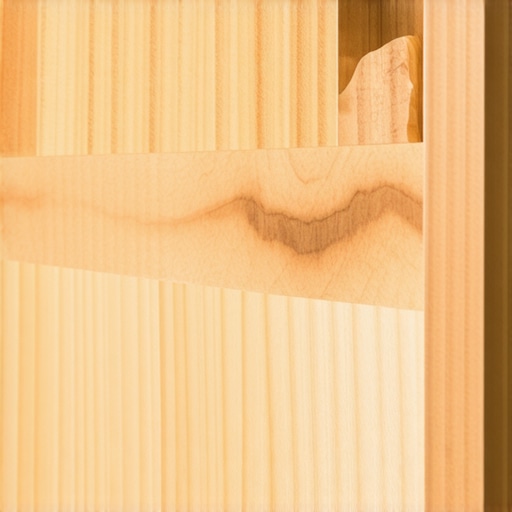
The structural ‘oops’ that sinks a high-end remodel
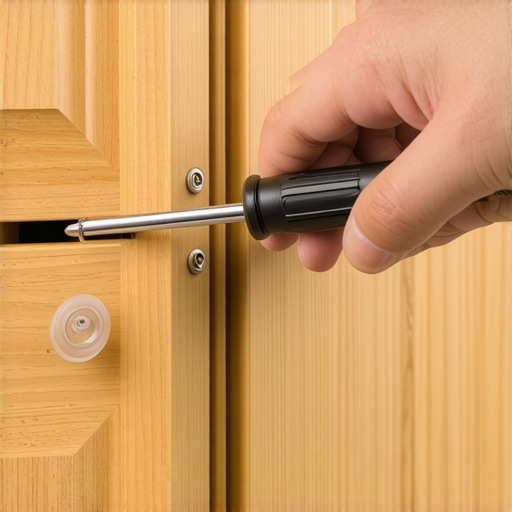
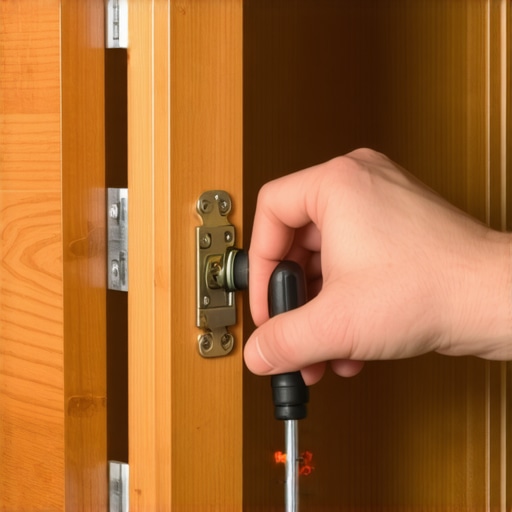
The biggest ‘trap’ I see is the over-reliance on cheap fasteners. I’ve walked into multi-million dollar homes where the reason why your wall cabinets are pulling away from the drywall is because the installer used standard drywall screws instead of heavy-duty cabinet screws. Drywall screws are brittle; they are designed to hold paper and gypsum, not a hundred pounds of heirloom china. This is why why your cabinet boxes should be stapled, glued, and screwed is my standard for every build. Glue alone is a disaster waiting to happen in a humid kitchen. Another nuance people miss is the chemistry of the finish. It’s tempting to save money by doing the painting yourself or hiring a general house painter. However, why using standard interior paint on your kitchen cabinets is a five-year mistake becomes clear when you realize that kitchen cabinets need a chemical-resistant coating to survive the oils from your hands and the heat from your stove. Real custom work utilizes post-catalyzed lacquers that create a literal shell around the wood. Have you ever fallen into the trap of picking a cabinet just for the color, only to have the drawers stick or the doors warp a year later? Let me know in the comments. If you’re tired of the ‘form over function’ headaches and want a space that actually lasts, contact us and let’s plan a kitchen that doesn’t just look like a magazine—it functions like a professional workspace. Making your custom cabinets as a game-changer in your kitchen remodel journey means looking at the details that other people skip.The first tool I tell every homeowner to buy isn’t a hammer or a drill; it’s a high-quality Pozi-drive screwdriver. You see, European hinges are miraculous pieces of engineering, but they aren’t ‘set and forget’ hardware. Over the first year, as your house settles and the seasons change, those perfectly aligned doors will inevitably shift by a fraction of a millimeter. If you don’t know how to adjust European hinges for a perfectly level door reveal, you’ll end up with doors that rub against the frame, eventually chipping that expensive finish. I personally spend twenty minutes every six months doing a ‘walk-around’ with my screwdriver. It’s the difference between a kitchen that feels brand new and one that starts to look ‘tired’ before its time.
The One Screwdriver That Saves Your Hinge Heads
Most people grab a standard Phillips head and wonder why they keep stripping the screws. The cross-recess on a cabinet hinge is actually a Pozi-drive, and using the right bit makes the adjustment process effortless. This is part of the the 5-minute hinge adjustment for fixing wonky cabinet reveals that I recommend to everyone who wants to maintain that high-end look. According to Blum’s technical documentation, soft-close mechanisms are rated for roughly 200,000 cycles, but that longevity is predicated on the door being properly balanced so the internal dampener isn’t taking an uneven load. 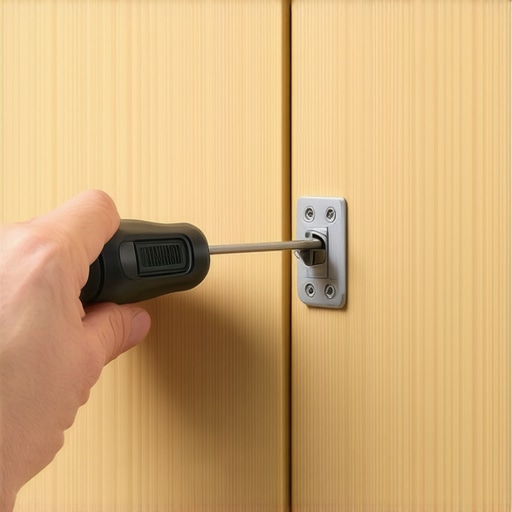
How do I keep my custom cabinets from looking tired over the long haul?
Maintenance isn’t just about the hinges; it’s about the friction points you can’t see. If you start hearing a gritty sound when you pull out your silverware, why your soft close slides grind and the quick lubrication fix is usually just a matter of clearing dust from the ball bearings and applying a dry-film lubricant. Never use WD-40—it’s a solvent, not a long-term lubricant, and it will actually attract more gunk over time. Looking ahead, I predict we are moving toward a future of ‘hyper-integrated’ utility. We are already seeing a massive surge in requests for why every kitchen should have a dedicated charging station for laptops and hidden tech hubs. In 2025 and beyond, your custom cabinets won’t just hold plates; they will be the central nervous system of your smart home. If you want to stay ahead of the curve, I highly suggest you contact us to discuss how we can build ‘future-proof’ storage into your next project. Grab a Pozi screwdriver this weekend and give your cabinet doors a quick leveling—you’ll be amazed at how much better the whole room feels when the lines are perfectly straight.
Why I Stopped Chasing Trends and Started Testing Clearance
After years in the workshop, I’ve realized that the best hardware is the kind you never notice. If you’re constantly aware of your cabinet handles because they’re snagging your sleeves or bruising your hips, they’ve failed their primary job. I used to be seduced by the sharp, architectural lines of modern pulls, but now I prioritize ‘closed-loop’ designs every time. It’s a lesson that costs a few ruined shirts to learn, but once you make the switch, the ergonomic relief is immediate.
Another lightbulb moment came when I stopped looking at cabinets as furniture and started seeing them as dynamic systems. Between the seasonal expansion of wood and the mechanical wear on soft-close slides, your kitchen is constantly in motion. That’s why I always advocate for the ultimate guide to custom cabinets for a stylish kitchen overhaul to ensure you’re building on a foundation that can actually handle that movement without cracking. Quality engineering beats aesthetic trends every single time.
The Tools That Live in My Own Kitchen Drawer
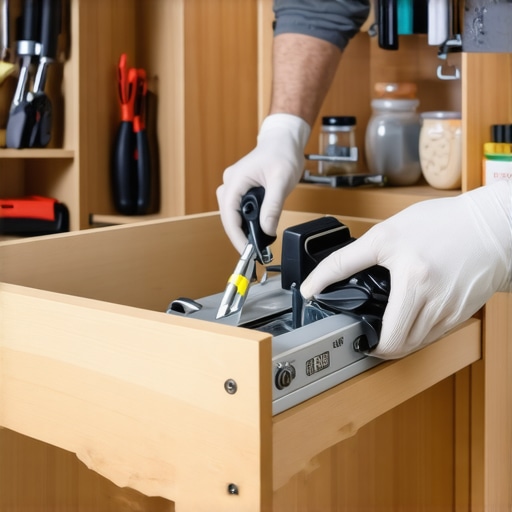
You don’t need a full workshop to keep your kitchen in peak condition, but you do need a few non-negotiables. First, throw away that generic Phillips head for your hinges and get a high-quality Pozi-drive screwdriver. It’s the only way to avoid stripping those delicate adjustment screws when you need to fix a sagging door. Second, keep a bottle of dry-film lubricant on hand. If you know why your soft close slides grind and the quick lubrication fix, you can double the life of your drawer hardware in about thirty seconds of maintenance.
Finally, I highly recommend keeping a small ‘maintenance kit’ inside a sink base cabinet. Include the touch-up pen for your specific stain and a copy of your hardware specs. For those just starting their design phase, I always point people toward the technical benefits of why pre-finished maple interior is better than melamine—it’s the single best upgrade for long-term durability against spills and moisture. This internal resilience is what separates a ten-year kitchen from a thirty-year kitchen.
Build a Space That Forgives Your Daily Hustle
At the end of the day, your kitchen should be a sanctuary, not a source of minor annoyances. Whether it’s taking five minutes to adjust a door for a perfectly level door reveal or choosing hardware that won’t shred your favorite jeans, these small decisions add up to a home that feels truly high-end. Don’t be afraid to prioritize your own physical comfort over what looks ‘cool’ in a static photograph. Your wardrobe—and your sanity—will thank you for it. If you’re ready to design a space that balances beauty with real-world physics, contact us today. Let’s get started on a kitchen that actually works with you, not against you.
Have you ever had a specific piece of ‘beautiful’ hardware turn out to be a total nightmare in your daily routine? Let me know in the comments below!