
Why Most Under-Cabinet Lighting Fails and the Pro Fix for Glare
I remember the exact moment I realized my under-cabinet lighting was a total mess. It was during a dinner party when I reached for a glass and suddenly my eyes were assaulted by a blinding glare that made the whole experience uncomfortable. It was frustrating because I had invested in what should have been a simple kitchen upgrade, but instead, I was left squinting and cursing every time I needed to see something under my cabinets. That light was supposed to brighten my workspace, not ruin my evening.
Why Most Under-Cabinet Lighting Is a Faithful Reflection of Common Mistakes
The truth is, many homeowners encounter the same problem—your under-cabinet lights flicker, produce uneven brightness, or worst of all, create harsh glare that distracts rather than illuminates. I used to think that more lights or higher wattage would solve the issue. Spoiler: It didn’t. It turns out that the real cause lies in the design choices and installation methods that are often overlooked.
Many people, myself included early on, simply install standard puck lights or strip LEDs without considering the quality of light distribution or glare control. An article by the Lighting Research Center states that improper placement and type of fixtures can lead to discomfort and visual fatigue (source: https://www.lrc.rpi.edu/programs/lighting-research). I made the mistake of ignoring the angle at which the light hits the work surface, and that led to almost constant glare.
The good news? Once I identified the root causes, I could take steps to fix them—steps that can help you too. But before diving into those solutions, let’s clear out some common doubts and fears you might have about upgrading your under-cabinet lighting.
Is Upgrading My Under-Cabinet Lights Really Worth the Effort?
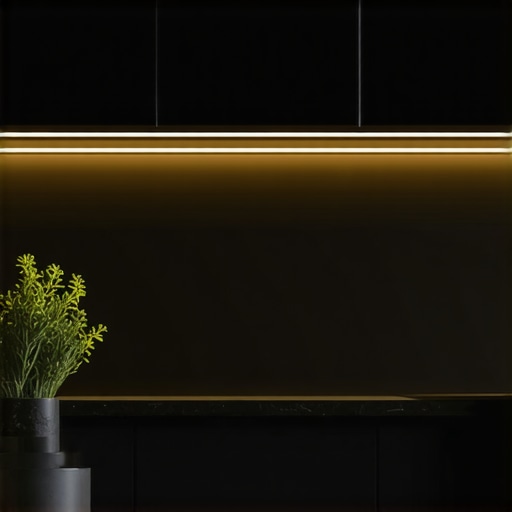
If you’re skeptical, I get it. After all, who wants to tear apart a perfectly good kitchen? But trust me, the right lighting upgrade enhances your entire space—not just in functionality but also in ambiance. Properly designed lighting can make your kitchen feel warmer and more inviting while reducing eyestrain. If you’ve experienced the annoyance of poor lighting, then yes, it’s worth it. The secret is knowing what pitfalls to avoid, which I’ll share in the next section.Start by evaluating the current lighting setup—turn on your lights and note areas with harsh glare or uneven brightness. Next, choose fixtures with diffusers or frosted covers to soften the light and reduce glare. When installing, position lights closer to the underside of cabinets, aiming downward at a 15-to-30-degree angle to spread brightness evenly. During my own upgrade, I used adjustable LED strip lights, which allowed me to fine-tune the angle and intensity, instantly eliminating blinding spots. Avoid placing fixtures directly in line with your workspace; instead, aim to illuminate the area without direct sight of bulbs to prevent glare. Opt for warm white LEDs around 3000K, which create a cozy atmosphere while maintaining visibility. Use dimmer switches where possible to control light levels, especially during different times of day or activities. For better light distribution, group fixtures in threes or fours along the cabinets’ length, ensuring consistent coverage. If your existing wiring is outdated, consider hiring an electrician to rewire or add switches to facilitate better control. Remember to test the setup during different times—what looks good during the day might be harsh at night. With patience and careful adjustment, your under-cabinet lighting can transform your kitchen into a warm, functional space that’s both inviting and easy on the eyes.Many homeowners assume that choosing custom cabinets or integrated built-ins guarantees a perfect, hassle-free upgrade — but that couldn’t be further from the truth. In my experience, one common misconception is that all custom solutions are created equal; in reality, the devil is in the details. For example, a frequent oversight is neglecting the nuances of material selection, which can significantly affect longevity and aesthetic appeal. Solid wood cabinets offer durability, but without proper UV-resistant finishes, they can warp or discolor over time, especially in sun-exposed areas. An article by leading industry experts emphasizes the importance of understanding material properties to make informed choices (source: https://artisancabinetworkz.com/why-white-oak-is-replacing-maple-for-modern-kitchen-islands).
Keeping Your Custom Kitchen Features in Peak Condition
Maintaining your custom cabinets, built-ins, and storage solutions is key to ensuring they serve their purpose beautifully for years to come. One of my go-to methods is regular cleaning with non-abrasive cleaners like mineral oil-based products, which preserve wood finishes without damaging them. For intricate details, I rely on soft-bristle brushes such as the OXO Good Grips Microphone Brush, perfect for reaching into tight corners and delicate moldings, preventing dust buildup that can degrade the finish over time. Additionally, investing in a high-qualitycordless electric sander is invaluable during refinishing projects, as it ensures even sanding with minimal effort, helping maintain a smooth surface ready for new finishes. Expert guides highlight how proper maintenance prolongs the beauty and function of your custom cabinetry, making your investment well worth it.
Another critical aspect of long-term care involves controlling environmental factors like humidity and temperature, which can cause wood to swell or shrink. A reliable dehumidifier such as the hOmeLabs 22 Pint Dehumidifier helps keep moisture levels stable in your kitchen or utility room, especially in humid climates, reducing warping or blistering of finishes. For hardware, applying asilicone-based lubricant on hinges and slides every few months prevents squeaks and ensures smooth operation, extending the life of moving parts. Using tools like a digital moisture meter can help monitor wood condition and identify potential issues early—think of it as your cabinet’s health tracker.
How Do I Keep My Built-In Storage Solutions Functional Over Time?
Regular inspection is essential: check for loose joints, warped panels, or hardware wear. For instance, tight-fitting drawers benefit from periodically adjusting or replacing slides with premium options like Blum’s full-extension soft-close slides, which I personally swear by for their durability and smooth operation. Additionally, sealing exposed wood edges with a low-VOC finish or clear coat keeps moisture out and simplifies cleaning. Keep your storage space organized with adjustable dividers; not only does this prevent clutter, but it also reduces stress on the cabinetry structure. And don’t forget to periodically sanitize surfaces with vinegar-water solutions to prevent mold or bacterial buildup, especially in high-humidity areas.
Looking forward, the trend points toward smarter, more automated maintenance systems. IoT-enabled sensors that monitor humidity, temperature, and even hardware wear could soon notify homeowners when repairs or cleaning are due, kind of like having a health monitor for your kitchen. Embracing these innovations will keep your custom features looking pristine and functioning flawlessly for decades.
Tools I Recommend for Easy, Long-Term Maintenance
For detailed cleaning, a microfiber cloth paired with mineral oil-based furniture polish keeps surfaces shiny without buildup. Power tools like a Ryobi Cordless Detail Sander are indispensable for minor refinishing; I recommend selecting one with variable speed for delicate finishes. Hardware maintenance benefits from aprecision screwdriver set, such as Wiha’s Ergonomic Screwdriver Set, which helps tackle every screw head without stripping. To prevent issues before they escalate, regular use of a spray gun for finishing ensures even coats, especially when applying touch-up finishes or sealants on low-traffic areas.
Trying out a high-gradedigital moisture meter will give you peace of mind, alerting you to potential warping issues early. Whether you’re maintaining intricate built-ins or bulky cabinets, these tools make a significant difference in extending your investment’s lifespan. Keep your toolkit ready, and your kitchen will reward you with enduring beauty and functionality for many years to come.
The Hardest Lesson I Learned About Custom Cabinets and Kitchen Storage
One of my biggest mistakes was assuming that custom meant worry-free. It took me rebuilding my entire approach after realizing that materials and construction details significantly impact durability. Choosing the right wood, finishes, and hardware isn’t just about aesthetics—it’s about longevity and performance. This taught me to prioritize quality materials and detailed discussions with my cabinet maker, leading to a much more satisfying remodel experience.
The Surprising Truth About Built-Ins That No One Tells You
I discovered that built-in storage isn’t just about maximizing space—it’s about seamless integration and ease of access. But an overlooked lesson was planning for environmental factors like humidity and temperature fluctuations, which can warp or damage even the best designs over time. Regular maintenance and understanding your environment are crucial to preserving your built-ins, transforming a simple feature into a lasting investment.
How My Focus on Details Transformed My Kitchen Upgrade
Initially, I thought that a quick selection of fixtures and finishes would suffice. However, I learned that paying close attention to small details—like the angle of lighting fixtures or the finish on hardware—can dramatically improve comfort and functionality. This shift in perspective made me appreciate the importance of meticulous planning and informed choices, turning my kitchen into an inspiring space that works for me every day.
Resources That Shaped My Approach to Kitchen Cabinets and Storage
- Expert guides on custom cabinetry—I trust this comprehensive guide for insights on material selection, layouts, and finishing touches that last.
- Tools for maintenance and refinishing—The best cordless sanders and moisture meters have become essential in my toolkit for keeping my cabinets pristine over the years.
- Design inspiration and ideas—Browsing creative cabinet styles has sparked many innovative solutions tailored to my space.
Your Journey Starts Now—Transform Your Kitchen Today
Embracing the nuances of custom cabinets, built-ins, and storage solutions is a rewarding challenge that pays off with a beautifully functional space. Every detail, from material choice to innovative organization ideas, contributes to a kitchen that truly reflects your lifestyle. Don’t wait to create a space that inspires, simplifies, and stands the test of time—your perfect kitchen is within reach.
What has been your biggest learning moment when upgrading your kitchen? Share your story below and let’s inspire each other to master our spaces!