Why Your Kitchen Island Needs a Dedicated Baking Station Level
It was a typical Saturday morning when I finally had a lightbulb moment that radically changed my kitchen workflow. Spotting my scattered baking supplies, half a bag of flour spilling over the countertop, and a precarious stack of measuring cups teetering dangerously, I realized something needed to change. My kitchen island, which I had always imagined as the heart of my home, was actually more of a chaos zone—especially when I baked. That clutter and inefficiency hit me hard, making me question: why not dedicate a specific level of my kitchen island solely for baking?
The Power of a Dedicated Baking Space
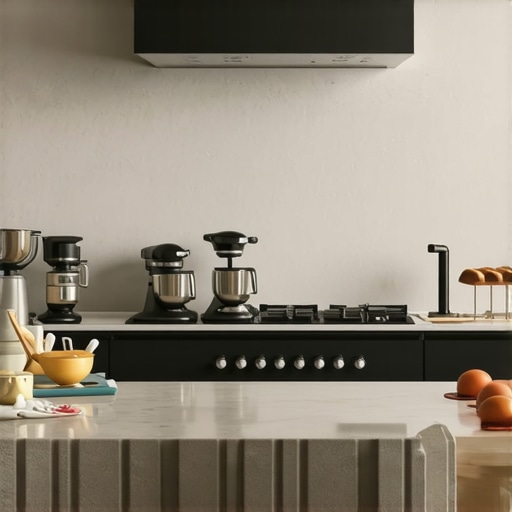
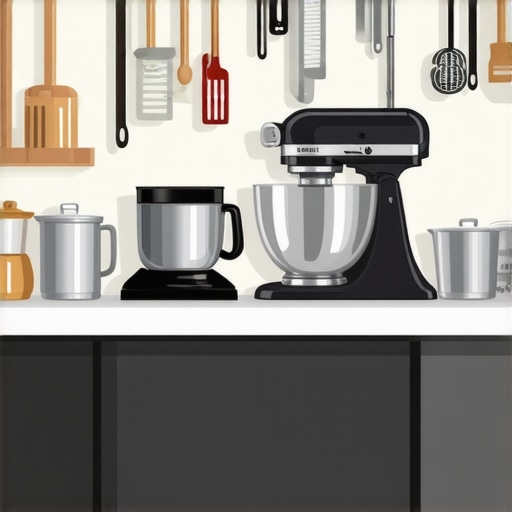
Having a designated baking station on your island isn’t just about tidiness; it’s about transforming the way you cook. A dedicated baking level means everything you need—measuring tools, ingredients, mixers—converges in one accessible spot. It avoids the perpetual game of “musical chairs” with your supplies and prevents your counter from turning into a flour-strewn chaos zone. Plus, it elevates your baking game, making everything more streamlined and enjoyable.
If you’ve ever faced the frustration of rummaging through cluttered cabinets or juggling multiple kitchen tools mid-recipe, building a custom baking station might be just the upgrade you need. I’ll walk you through how to create this space that will boost your efficiency and make baking feel like a true pleasure rather than a chore. Curious if your kitchen is ready for this change? Let’s dive into the details.
Is a Baking Station Really Worth the Hype?
In the early days, I made the mistake of assuming I could just stash my baking stuff wherever it fit—mainly in random cabinets or on open shelves—and hoped for the best. That was a total fail. Not only did it make finding what I needed more time-consuming, but it also turned baking into an unorganized mess. Experts agree that strategic storage solutions, like creating dedicated zones, significantly improve kitchen efficiency. According to a recent article on smart storage ideas, properly organized zones can cut cooking times by up to 20%, making your culinary adventures more enjoyable and less stressful.
One thing I overlooked initially was the importance of placing the baking station at an accessible height. I used the standard countertop height, but I found that a slightly raised or lowered level could make a huge difference in comfort and flow. This small mistake emphasized how vital it is to tailor your storage solutions to your personal needs—something I wish I had prioritized earlier.
Looking for inspiration on how to incorporate custom elements into your kitchen? A comprehensive guide on transforming your space with bespoke cabinetry can be found that offers tips on balancing functionality and style. Creating a dedicated baking zone is just one of many ways to make your kitchen work better for you, and I promise you’ll love the results.
Ready to take the next step? In the sections that follow, I’ll share practical tips and design ideas to build a baking station that makes your kitchen more efficient and inspiring. If this challenge sounds familiar, stay tuned—your best baking days are just around the corner.
Select the Right Location and Dimensions
Start by choosing a section of your kitchen island that offers ample space and easy accessibility. I once dedicated a corner of my island to a 24-inch wide, 36-inch deep zone, which felt spacious yet compact enough for my baking essentials. Measure the area accurately, accounting for clearance to move comfortably around. Think of this as designating a parking spot — it needs to be big enough to hold your vehicle without blocking other areas.
Design Custom Cabinets for Functional Storage
Custom cabinets are key—they’re like tailored suits for your space, fitting perfectly and maximizing efficiency. When I commissioned my baking station cabinets, I specified shallow drawers for utensils and deep pull-outs for ingredients. This approach prevents clutter and makes retrieval effortless. For guidance, check out this expert guide on custom cabinets to choose styles and features that suit your needs.
Choose Durable Materials and Hardware
Invest in high-quality plywood, like birch, to avoid warping and ensure longevity—think of it as choosing armor that’ll last for years. Pair this with soft-close hinges and slides, which prevent slamming and protect delicate items. I replaced my old, noisy hinges with quiet Blum hardware, transforming my daily routines into whisper-quiet experiences. See this article for tips on installing soft-close mechanisms.
Integrate Smart Storage Solutions
Optimize every inch—use vertical sheet pan racks inside cabinets, and consider toe-kick drawers for storing less-used items beneath. Incorporate pull-out spice racks and hidden compartments for small tools. I customized a slide-out tray for my stand mixer attachments, which kept my counters tidy and made everything accessible. For innovative ideas, review this resource.
Plan for Counter Space and Surface Material
Flat, durable surfaces like quartz or granite work best—they withstand flour spills and heavy kneading. Keep the surface uncluttered; I found that dedicating a 20-inch section for rolling dough made my baking sessions smoother. Using a removable silicone mat further protects the surface and makes cleanup easier. For detailed surface tips, visit this guide.
Add Thoughtful Details for Convenience
Include angled shelves for cookbooks or trays, and install under-cabinet lighting to illuminate your workspace. I also mounted a magnetic strip for metal tools — a simple addition that keeps frequently used utensils within arm’s reach. These small touches make a huge difference in workflow and enjoyment. Check out this comprehensive guide for more enhancements.
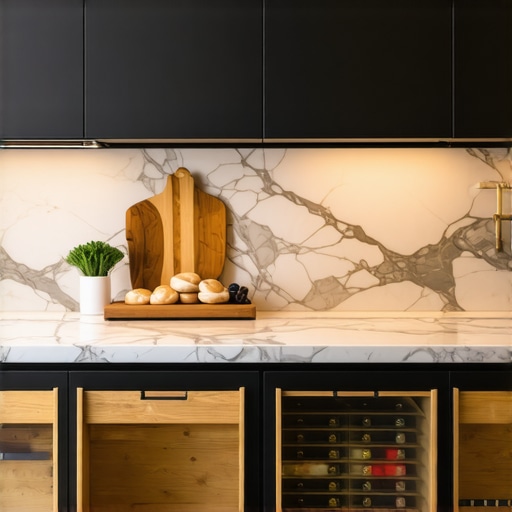 When embarking on a kitchen remodel, many assume that choosing custom cabinets is the surefire way to guarantee a perfect fit and timeless style. However, even seasoned homeowners and designers can fall prey to misconceptions that hinder their project’s success. Let’s dig deeper into these hidden nuances and reveal what most people get wrong about custom cabinetry and storage solutions.
One widespread myth is that all custom cabinets are inherently better than semi-custom or stock options. While it’s true that fully bespoke cabinetry offers unparalleled customization, it also requires meticulous planning, execution, and ongoing maintenance. Failing to understand the nuances of material selection, hardware quality, and manufacturing processes can lead to costly mistakes. For instance, many overlook the significance of choosing durable plywood over particleboard, especially for wet areas. Experts recommend birch plywood for its strength and resistance to warping, as detailed in this article.
A common pitfall in kitchen remodels involves underestimating the importance of integration between built-ins and existing architecture. Homeowners often rely solely on aesthetic cues, ignoring the functional interplay and flow. For example, built-ins that don’t align perfectly with wall thickness or electrical outlets can cause gaps, leading to an unfinished look. Seamless integration is about more than just appearance; it demands precise measurements and considering future adjustments.
Another advanced mistake is neglecting the impact of hardware and finishing on long-term durability. Many opt for trendy finishes without researching their maintenance needs or environmental resilience. For example, matte black hardware might look sleek but can be prone to fingerprints, making cleaning more frequent—something to consider for a functional, low-maintenance kitchen. This underscores the importance of selecting finishes that balance style with practicality.
Now, an often-overlooked advanced issue involves planning for the stress points of your cabinetry. Heavy-use areas like spice drawers, pull-out trays, and corner cabinets require reinforced joints and heavy-duty hardware to prevent sagging over time. Incorporating these elements into your initial design can save significant time and money down the line. For more tips on strengthening your cabinetry, check out this resource.
One question that advanced homeowners often ask is: How can I optimize storage without sacrificing accessibility? The answer involves clever design solutions like vertical sheet pan racks, toe-kick drawers, and adjustable shelves. These features maximize space while maintaining ease of use. For instance, smart storage ideas are game-changers that can prevent the infamous clutter buildup.
In summary, while custom cabinets promise tailored beauty and efficiency, they come with complexities that require nuanced understanding. Oversights in material choice, integration, hardware durability, and stress management can undermine your project’s success. Always consult experts and prioritize quality and practicality. Have you ever fallen into this trap? Let me know in the comments, and remember, a well-informed approach is the key to a stunning and functional kitchen.
Maintaining your custom cabinetry and storage systems is crucial to ensuring they retain their beauty and functionality over the years. The right tools and a disciplined maintenance routine can save you from costly repairs and keep your kitchen looking pristine. One of my favorite tools for ongoing care is a high-quality microfiber cloth paired with a gentle, pH-balanced cleaner likeMethod Polish. I personally avoid harsh chemicals, which can damage finishes, and instead rely on natural cleaning solutions that preserve the integrity of veneers and painted surfaces.
Solidify Your Maintenance Routine
Make wiping down your cabinets a weekly habit, especially if your kitchen sees heavy use. Regular cleaning prevents grease buildup and keeps fingerprints at bay, particularly on matte black hardware or painted finishes. For hardware, I recommend a soft-bristled brush and a mild soap solution; this approach gently removes grime without scratching the surface. Remember, sticking to a consistent routine not only prolongs the life of your cabinetry but also maintains its appearance without the need for costly refinishing down the line.
Invest in Precision Tools for Fine-Tuning
Over time, even the best-built cabinets can drift out of alignment due to humidity changes or daily wear. A quality Phillips head screwdriver, a torque driver, and a soft mallet are my go-to tools for making incremental adjustments. These allow you to tighten loose hinges or realign doors easily—saving you the trouble of calling in a professional for minor tweaks. For a detailed step-by-step, check out the magnetic latch guide.
Plan Long-Term Upkeep
Developing a maintenance schedule that includes checking hinges, slides, and hardware twice a year helps catch issues early. Applying a light coat of protective wax or furniture polish on wooden surfaces can also improve durability. Plus, keeping an eye on the seals around built-in appliances prevents moisture intrusion that might warp or damage cabinetry over time. Future trends suggest smart maintenance solutions, like moisture sensors integrated into cabinetry, will become standard—making upkeep more automated and precise.
Scale and Adapt Your Storage for Growth
As your needs evolve, so should your storage solutions. Modular systems and adjustable shelving give you flexibility without replacing entire units. I often recommend adding pull-out trays or vertical dividers to maximize space in existing cabinets—techniques discussed in this resource. Regularly reassess your setup, and don’t be afraid to expand or reconfigure to keep pace with changing lifestyle or collection sizes.
How do I maintain beautiful cabinets over time?
Simple, consistent upkeep is your best defense against wear and tear. Use gentle cleaning tools, periodic adjustments using precise hardware, and strategic upgrades like adjustable shelving or moisture barriers to extend the life of your custom cabinets. Incorporating these practices will ensure your cabinetry remains both functional and stunning for years to come. For specialized advice, consult expert guides like this comprehensive resource. I challenge you to try maintaining your built-ins with a new routine this month—your future self will thank you!One of the most profound insights I gained was realizing that even the most meticulously planned custom cabinets can fall short if I don’t consider long-term usability and maintenance. Remember, what looks good today must stand the test of daily life. Regularly revisiting your storage solutions and being willing to tweak them can keep your kitchen functioning beautifully for years to come. Also, I discovered that sharing your ideas and challenges with a community—like here—can unearth creative solutions I never would have considered alone. My biggest tip? Stay adaptable and always prioritize practicality alongside style, because your kitchen’s heart truly beats in its organized, functional design. Want to transform your space? Dive into the expert guide on building custom cabinets that truly fit your lifestyle.