Why Your Kitchen Workflow Needs a Dedicated Baking Zone
I was three hours into a holiday cookie marathon when I realized I actually hated my kitchen. My back was aching from kneading dough on a counter that felt two inches too high, and I had just tripped over a 25-pound bag of flour because there was zero room in my standard pantry. It was not a lack of space; it was a total lack of strategy. I felt like a guest in my own home, constantly fighting against the architecture to get a simple loaf of bread in the oven. That was the moment I realized a “general-purpose” kitchen is often a kitchen that is mediocre at everything. We are going to fix that today by looking at how a specialized station can save your sanity and your spine.
Stop Fighting Your Countertops and Start Baking
We often think of custom cabinets as a game changer in your kitchen remodel journey because they look pretty, but the real magic happens when they actually function for your specific hobbies. If you spend your weekends covered in flour, you know the struggle of the “Great Flour Drag.” You pull the heavy mixer out of a deep corner, hoist the sugar from a high shelf, and then realize you have nowhere to set the cooling racks. It is exhausting. Early on, I made the mistake of thinking more cabinets solved everything, so I stuffed my upper shelves with heavy canisters. I quickly learned that lifting five pounds of flour over my head while balancing on a stool was a disaster waiting to happen. Moving to a strategy of storing everything below the counter changed my workflow forever. According to the National Kitchen & Bath Association (NKBA), the standard 36-inch counter height is actually ergonomically inefficient for tasks that require downward leverage, like rolling out stiff pastry dough.
Do I really have enough room for a dedicated zone?
I hear you. You are looking at your limited counter space and thinking I am dreaming. But a baking zone is not about adding square footage; it is about reclaiming the space you already have. Have you ever felt like you are running a marathon just to find your rolling pin? By grouping your supplies, you stop the cross-kitchen sprint. You can even integrate lower counters on your island to make the ergonomics actually work for your height. We will also solve that annoying “clatter” by using vertical dividers for baking sheets so they do not cause a kitchen avalanche every time you need a cookie sheet. It is time to stop compromising on your passion for baking just because your kitchen layout was designed for someone who only uses a microwave.
Map Out Your Workflow Before Touching a Hammer
The biggest mistake I see in kitchen remodels isn’t the color of the tile; it is the placement of the tools. Think of your kitchen like a professional workshop. You wouldn’t put a saw across the room from the lumber rack, yet we constantly put the mixer ten feet away from the flour. Start by grouping your ‘dry’ and ‘wet’ zones. I spent years sprinting from the fridge to the pantry until I finally realized that built-ins and storage hacks for a sleek functional kitchen are only effective if they support your natural movement. If you find yourself taking more than three steps to gather your essentials, your layout is working against you.
The Magic Number for Rolling Dough
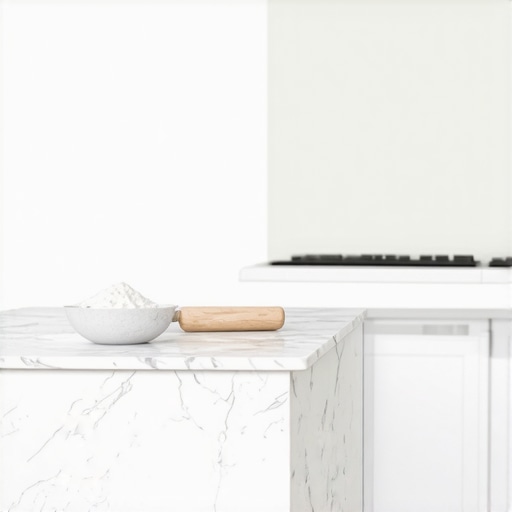
Ergonomics is a word that sounds fancy but really just means ‘not ending the day with a heating pad on your lower back.’ Standard counters sit at 36 inches, which is great for chopping vegetables but terrible for kneading bread. When I remodeled my last place, I insisted on dropping a section of the island to 32 inches. My contractor thought I was crazy until I showed him how much more leverage I had. This is exactly why your kitchen island needs a dedicated baking zone with lower counters. It allows you to use your body weight rather than just your arm strength, which is a lifesaver during the holiday cookie rush. 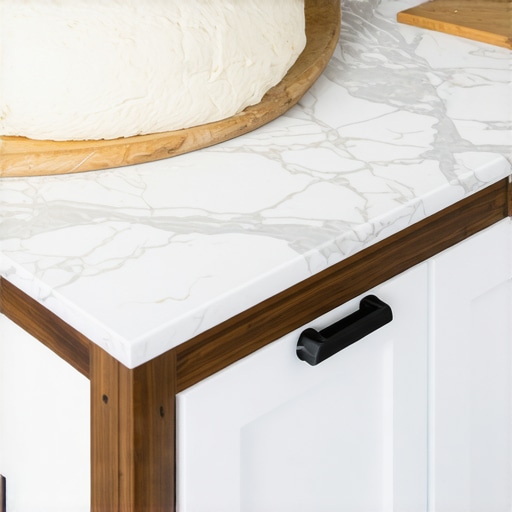
Stop Digging Through the Cabinet of Doom
We have all been there: crouching on the floor, head inside a dark cabinet, rattling every metal tray just to find one specific muffin tin. It sounds like a drum circle gone wrong. To fix this, you need to abandon the idea of flat stacking. Using the best way to store baking sheets so they dont avalanche involves vertical dividers. I remember the first time I swapped my deep, dark shelves for a pull-out system. Before that, I once forgot I owned a high-end tart pan for three years because it was buried under a pile of heavy cast iron.
Small Spaces Require Smarter Pull-Outs
If you are working with a tight floor plan, you don’t need more cabinets; you need better access. I once tried to organize a client’s 10×10 kitchen where they had a ‘blind corner’ cabinet that was essentially a graveyard for unused appliances. We replaced the standard door with specialized hardware that brought the contents out to them. This is one of those smart storage solutions for small kitchens in 2025 that turns a dead corner into a high-functioning asset. For items like flour and sugar, look into deep drawers with heavy-duty slides. I learned the hard way that why a pull-out pantry beats deep walk-in shelves for visibility is all about the ‘birds-eye view’—seeing everything at once prevents you from buying a third bag of baking soda you don’t need.
The Depth Secret for Pro Equipment
If you use a heavy stand mixer or large pizza stones, standard cabinet depths can be your enemy. I once had a beautiful stone that sat on my counter for six months because it was too wide for any of my cupboards. When planning your custom cabinets as a game changer in your kitchen remodel journey, measure your largest piece of equipment first. You might find that the cabinet depth secret for storing large pizza stones and trays is the difference between a cluttered counter and a clean, functional workspace.I’ve seen hundreds of mood boards, and they almost always include a narrow spice pull-out right next to the stove. Here is the contrarian truth: they are often a functional nightmare. Why narrow spice pull-outs are often harder to use than you think comes down to the simple fact that if a jar falls behind the rack, you’re dismantling the whole unit just to get it back. Instead, I advocate for the pantry zone method where visibility is king. You want to see the label of every spice without moving three other things.
Don’t Let Your 30-Pound Mixer Destroy Your Drawers
Then there is the ‘Oops’ factor regarding weight. Most people assume a ‘heavy-duty’ drawer can handle anything because the salesperson said it holds 100 pounds. But if you are storing a professional-grade stand mixer, you’ll quickly notice the bottom panel bowing over time, even if the slides are holding up. I always suggest learning how to fix a sagging pot and pan drawer with a center support before the hardware fails entirely. This is an advanced nuance that many standard cabinet manufacturers ignore to save on material costs.
How Much Space Does Your Wood Actually Need to Breathe?
This is where beginners get into trouble with innovative storage solutions for modern kitchen remodels. They want everything perfectly tight and seamless, often ignoring that wood is a living material. According to the Architectural Woodwork Institute (AWI), maintaining a consistent environment is key because why solid wood door panels still need room to breathe in summer is a matter of physics—they will expand and contract regardless of your joinery. If your doors are no longer level after a humid July, it isn’t a defect; it’s a lack of adjustment. Learning the inset cabinet gap and re-aligning doors after seasonal humidity changes is an essential skill for anyone investing in premium cabinetry.  When you are selecting storage solutions for a perfect kitchen upgrade, you have to consider the long-term structural integrity over immediate aesthetics. For example, the chemical resistance of your cabinetry is the silent hero of a long-lasting kitchen. While pre-catalyzed lacquers are easier to apply, they often lack the durability required to withstand the high-temperature environment of a heavy-use baking zone. I’ve seen beautiful paint jobs ruined because a homeowner didn’t know the difference between pre-catalyzed and post-catalyzed cabinet lacquer. Post-catalyzed options provide a much higher cross-linking density, which is essential for preventing the ‘oops’ moment of discovering your paint is melting or softening near the range. Knowing why your cabinet paint bubbles near the stove and how to prevent it is what separates a DIY-looking project from a professional-grade custom cabinet installation. Have you ever fallen into this trap? Let me know in the comments.Once the dust settles and the counters are gleaming, the real work begins—keeping it that way. I have seen fifty-thousand-dollar kitchens look like they are falling apart after two years because the owner did not know a simple screwdriver could save their sanity. It starts with the slides. If you hear a sand-like sound, you need to know why your soft-close slides grind and the quick lubrication fix before the bearings fail. I personally use a dry PTFE spray because it does not attract flour dust—a critical detail for bakers who are constantly working with fine particulates.
How do I maintain high-end cabinets over time?
It is not about deep cleaning; it is about micro-adjustments. Wood moves, and hinges settle under the weight of heavy doors. According to technical documentation from Blum, a global leader in furniture fittings, their hinges are tested for up to 200,000 opening and closing cycles, but that durability relies entirely on proper alignment. If a door starts to sag, do not ignore it. Learning how to adjust European hinges for a perfectly level door reveal takes five minutes and prevents the wood from rubbing and chipping the finish. 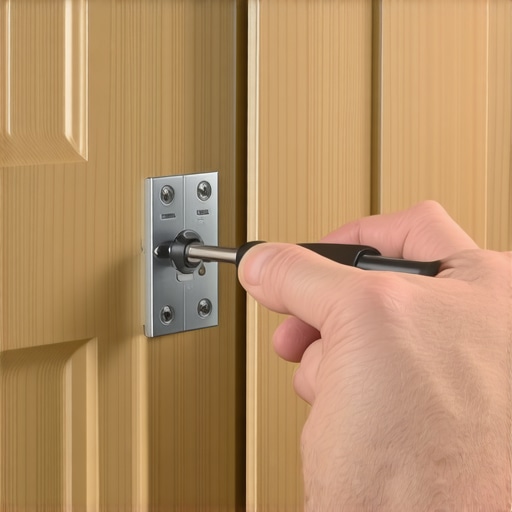
Stop Guessing with Your Hardware
If you are scaling your setup or adding new smart storage ideas to maximize your kitchen space this year, there is no excuse for crooked handles. The one tool you need for perfectly aligned cabinet knobs every time is a high-quality adjustable jig. I will not touch a drill without one. It is the difference between a kitchen that feels bespoke and one that feels like a weekend project gone wrong. Looking ahead, I predict we are moving toward modular ‘plug-and-play’ cabinetry where internal components can be swapped as your needs change without tearing out the frames. For now, I challenge you to check your most-used drawer. If it is slamming, research why soft-close hinges fail and the simple tension adjustment. It is the easiest win you will have for your kitchen’s longevity.
The Reality Check Most Contractors Skip
After years of working with bespoke woodwork, I have realized that the most beautiful kitchen can still fail if it does not respect the laws of physics. One lesson that hit me hard was how much the local climate dictates the life of your cabinets. If you live in a place with high humidity, you have to accept that your wood will breathe. I used to panic when a door looked slightly off, but now I know that learning how to adjust European hinges for a perfectly level door reveal is just part of the seasonal rhythm of a high-end home. It is not a flaw; it is a sign of a living material. Another lightbulb moment was realizing that more storage is a trap if you cannot see what you have. I have seen clients spend thousands on deep cabinets only to lose half their supplies to the back-of-the-shelf void. If you cannot see the label without moving three other things, the system is broken.
What I Always Keep in My Tool Belt
If you are planning to handle any part of the maintenance or installation yourself, do not skimp on the precision tools. When you are looking for expert tips on selecting storage solutions for a perfect kitchen upgrade, always look at the hardware quality first. I never start a project without my adjustable cabinet jig. Having the one tool you need for perfectly aligned cabinet knobs every time saves you from the heartbreak of a crooked handle on an expensive door. I also highly recommend keeping a small bottle of dry PTFE lubricant on hand. Unlike oil, it will not turn flour dust into a sticky paste, which is the secret to keeping your drawer slides smooth for decades. Finally, always keep a copy of your cabinet finish specifications; knowing whether you have a pre-catalyzed or post-catalyzed lacquer will save you a massive headache if you ever need a touch-up.
Your Kitchen Should Feel Like Home Not a Showroom
At the end of the day, your kitchen exists to serve your life, not the other way around. Do not be afraid to break the rules of standard heights or traditional layouts if it means you can bake for three hours without a backache. Embracing custom cabinets as a game changer in your kitchen remodel journey means prioritizing your comfort over resale value or passing trends. You deserve a space that anticipates your needs, from where the mixer sits to how the light hits your rolling pin. Start small if you have to, but start with the intention of making the space truly yours. Have you ever struggled with a kitchen layout that felt like it was designed for someone else? Let me know in the comments below.