Why Particle Board Sink Bases Are a Disaster and the Plywood Alternative
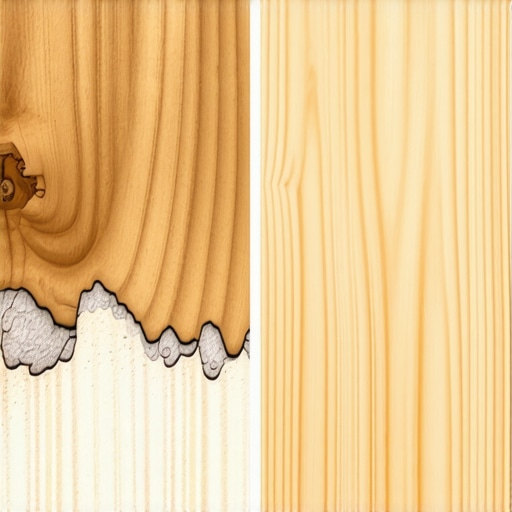
I’ll never forget the smell of damp sawdust and regret. It was a Tuesday evening, and I was just trying to grab a new roll of paper towels from under the kitchen sink. Instead, my hand sank directly into the floor of the cabinet. The “wood”—if you can even call it that—had the consistency of wet oatmeal. A tiny, slow leak from the P-trap had turned my expensive-looking cabinetry into a structural nightmare. That was the day I realized that particle board in a wet environment isn’t just a poor choice; it’s a disaster waiting to happen. Today, I want to show you how to avoid this expensive mistake and why shifting your mindset toward plywood is the single most important decision you’ll make in your kitchen remodel.
Stop Letting Your Kitchen Rot from the Inside Out
For years, I bought into the marketing. I thought that as long as the outside looked like high-end expert tips on selecting storage solutions suggested, the internals didn’t matter. I was wrong. Particle board is essentially sawdust held together by glue and hope. When it gets wet, it doesn’t just dry out; it expands, loses its structural integrity, and becomes a breeding ground for mold. According to the Kitchen Cabinet Manufacturers Association (KCMA), materials must meet specific ANSI standards for water resistance, yet many budget-friendly options used in big-box stores fail the real-world test of a leaky faucet. If you are planning to reinforce a sink base, you need a material that can take a punch. Plywood is that material. It is made of thin layers of wood veneer glued together in alternating directions, which creates a cross-grain pattern that resists swelling and warping. Have you ever opened your cabinet doors only to find a warped, swollen mess staring back at you? Reach out and let me know—I’ve been there, and I know how frustrating it is.
Is Plywood Actually Worth the Extra Money?
I know what you are thinking because I thought it too. Why spend an extra 20% on the cabinet boxes when you could put that money toward a fancy backsplash? The answer is longevity. You are not just buying wood; you are buying insurance against the inevitable. Every sink will eventually leak. It might be a loose nut or a failing seal, but moisture will find its way down there. While you should definitely know why your sink cabinet needs a drip tray as a first line of defense, the cabinet material itself is your final safety net. Plywood can be dried out, sanded, and salvaged. Particle board usually has to be cut out and replaced entirely. In this guide, we are going to dive into the structural differences that make plywood the king of the kitchen floor.
Plywood Grabs Screws Like a Vice and Won’t Let Go
When you are knee-deep in a custom cabinets as a game-changer in your kitchen remodel journey, you quickly learn that the ‘meat’ of the cabinet is only as good as its ability to hold a fastener. Think of particle board as a granola bar; if you try to screw into it, the edges crumble. Plywood is more like a stack of alternating wood veneers—it’s like a phone book. If you try to pull a screw out of the side of those compressed layers, the cross-grain tension locks it in place. I remember a specific job where I was installing heavy expert tips on selecting storage solutions for a client who loved cast iron pans. We used plywood boxes because we knew the sheer weight of forty pounds of iron would rip the hinges right out of a cheaper material. If you want a kitchen that survives daily use, you need a material that treats screws like a permanent commitment, not a temporary suggestion. 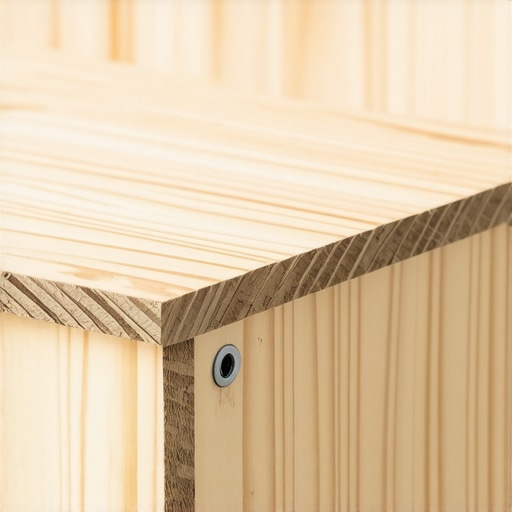
Spot the Difference Before You Sign the Contract
You can’t always see the ‘bones’ of a cabinet once the face frame is on, but you can feel it. When you’re at the showroom, check the weight of the doors and peek into the back. You want to see at least 1/2-inch or 3/4-inch plywood. This is the only way to ensure your ultimate guide to custom cabinets for a stylish kitchen overhaul actually stands the test of time. Look at the joints. If you see staples and glue on a flat edge, run. If you see mechanical fasteners and perhaps why your custom cabinets should feature dovetail drawers, you are in the presence of quality.
Get the Foundation Right to Avoid Future Sags
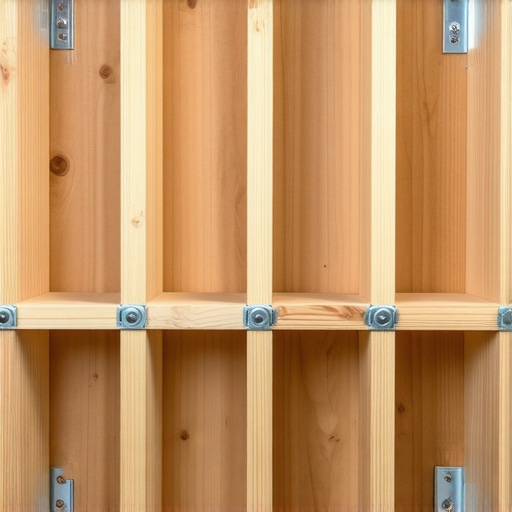
The ‘how’ of a long-lasting kitchen starts before the first box is even set. You must understand why you should install your base cabinets before your flooring to ensure a perfectly level surface. When I first started, I made the mistake of thinking the floor was ‘level enough.’ Three months later, the granite countertop developed a hairline fracture because the base cabinets had shifted on the uneven laminate. Now, I use structural blocking. This involves attaching 2x4s directly to the wall studs behind the cabinets. It gives the plywood boxes a rock-solid ledge to sit on, taking the pressure off the plastic legs or thin shims.
Reinforce Your Sink Base Like a Pro
The sink is the highest-traffic area and the most likely to fail. This is where the ‘plywood cradle’ comes in. If you are installing a heavy farmhouse sink, why most undermount sink clips fail and the plywood cradle fix explains why you need that extra internal support. I once saw a granite sink literally drop two inches in the middle of a dinner party because the clips were screwed into particle board that had softened from a tiny soap dispenser leak. By building a custom plywood shelf inside the cabinet, you distribute that 150-pound weight across the entire structure, not just a few flimsy clips.
The ‘Custom’ Label is a Marketing Trap
The biggest misconception I see homeowners make is assuming ‘custom’ is a synonym for ‘indestructible.’ It is not. I have walked into multi-million dollar homes where the ‘custom’ cabinets were held together by the same thin MDF backing you would find in a budget flat-pack box. The real nuance lies in the specifications, not the branding. Everyone tells you to maximize every square inch, but in my experience, over-cramming your layout with hyper-specific gadgets actually makes the kitchen harder to use. If you build a cabinet specifically sized for a 2024-model air fryer, you have essentially built a coffin for your future appliance upgrades. Instead of chasing trends, you should focus on modern kitchen remodels featuring custom cabinets and built-ins that prioritize adaptable space over rigid specialty slots. Have you ever spent thousands on a custom feature only to realize it didn’t fit your lifestyle six months later? Let me know in the comments—I’ve seen it happen more than you’d think.
Does Your Custom Quote Actually Include Quality Internals?
I often get asked why one local shop charges $15,000 while another asks for $25,000 for what looks like the same layout. The answer is usually hidden in the ‘bones.’ When you look at why your custom cabinet quote varies so much between shops, you have to look at the drawer glides and the interior finish. A high-end shop uses conversion varnish, which is chemically cured to resist household chemicals, whereas a budget ‘custom’ shop might just use a standard lacquer that softens over time. A study by the National Kitchen & Bath Association (NKBA) highlights that accessibility and material durability are the primary drivers of long-term kitchen satisfaction, yet these are the first things cut in a low-ball quote. 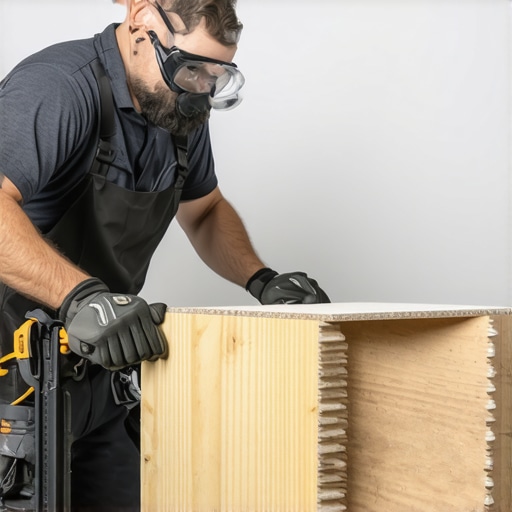
The Floor Trap Most Designers Miss
Here is an ‘oops’ factor that ruins more kitchens than leaky sinks: trapping your flooring. It is a common belief that you should run your beautiful new LVP or laminate throughout the whole room and then set the heavy cabinets on top. This is a massive mistake. Floating floors need to expand and contract. When you pin them down with 1,000 pounds of cabinets and stone counters, the planks will eventually buckle or separate. This is why luxury vinyl plank should not be trapped under your base cabinets. If you are doing a revolutionize your kitchen remodel using built-ins and creative storage, always install your base cabinets first and bring the flooring up to the toe-kick. It saves your floor from failing and makes future repairs ten times easier.
Stop Building Fixed Cages for Your Dishes
Another high-level mistake is the obsession with fixed cubbies. People think that having a perfectly sized slot for every plate looks ‘expensive.’ In reality, it’s a functional nightmare. Your needs will change. This is why your pantry shelves should be adjustable, not fixed. True expertise in innovative storage solutions for modern kitchen remodels means building a framework that can evolve. If you’re calculating costs, remember the 10×10 kitchen remodel math often fails to account for these internal hardware upgrades. Don’t fall for the ‘square foot’ price; look for the ‘functional’ value.Once the dust settles and your contractors head home, the real work of homeownership begins. You have invested in transforming your kitchen with custom cabinets, but the ‘set it and forget it’ mindset is a recipe for premature wear. I have seen high-end kitchens look ten years old after only twenty-four months because the owner didn’t know how to handle the inevitable settling of a house. Your cabinets are living, breathing wood structures. They expand in the humidity and shrink when the heater kicks on. If you want to keep them functioning like a Swiss watch, you need to be proactive.
How do I keep my custom cabinets looking new for a decade?
The secret isn’t a magic spray; it is consistent, gentle care. I always tell my clients to ditch the heavy chemical degreasers. You need to know how to remove grease from wood cabinets without ruining the finish because harsh acids will eat right through your expensive conversion varnish. Use a pH-neutral cleaner and a high-quality microfiber cloth. Also, pay attention to the seasons. You might notice the real reason your soft-close drawers are sluggish in winter is simply the grease in the glides thickening or the wood slightly contracting. A quick wipe and a tiny dab of silicone-based lubricant can make them glide like butter again. Be sure to clean your new granite countertops with the same level of care to ensure the entire workspace stays pristine.
Stop Stripping Your Screws with the Wrong Tools
Most people reach for a standard Philips head screwdriver when a door starts to sag. Stop right there. If you have high-end European hinges, like those from Blum, you are likely looking at a PoziDriv screw, not a Philips. Using a standard Philips driver will eventually round out the head, making future adjustments impossible. According to Blum’s technical specifications, their CLIP top hinges are tested for 200,000 cycles, but that durability relies on the hardware staying tight and aligned. I carry a dedicated #2 PoziDriv in my ‘junk drawer’ just for this. If you notice a gap, don’t ignore it. Learn how to fix a cabinet door that is rubbing the frame before the friction ruins the paint or the wood fibers. A three-way adjustment hinge is a marvel of engineering, but it only works if you use it. 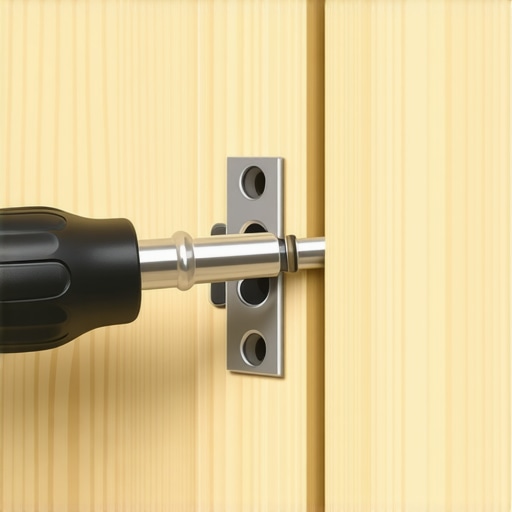
Why You Should Treat Your Kitchen Like a Performance Vehicle
In my experience, the kitchens that last 30 years are the ones where the owners understand the ‘mechanics’ of the room. This means knowing how to fix a drawer that wont close all the way by checking for debris in the undermount tracks rather than forcing it shut. It means understanding the secret to a quiet kitchen by dampening your cabinet doors with fresh bumper pads every few years as the old ones lose their squish. Looking forward, I predict we will see more ‘smart’ maintenance integrated into modern kitchen remodels featuring custom cabinets and built-ins, such as moisture sensors under sink bases that alert your phone the second a leak is detected. Until then, you are the sensor. Take ten minutes this weekend to open every door, tighten every loose cabinet knob, and ensure your built-ins and storage hacks are still organized. Your future self will thank you when you don’t have to call a carpenter for a $500 ‘tune-up’ that you could have handled with a single screwdriver.
Lessons Bought with Sawdust and Broken Hinges
Reflecting on my years in the shop, there are a few hard truths that standard brochures won’t mention. First, never underestimate a tiny drip; it only takes one overlooked seal to compromise an entire base unit. I’ve learned that why your sink cabinet needs a drip tray isn’t just advice—it’s a survival tactic. Second, always verify your quotes. I’ve seen homeowners get burned by the ‘custom’ label when the backing was actually low-grade fiberboard; checking why your custom cabinet quote varies so much between shops will save you thousands in future repairs. Finally, keep your hardware in check. A little bit of dampening your cabinet doors with fresh bumpers can prevent the constant vibration that eventually loosens hinges.
The Resources That Keep My Kitchen Running Smoothly
To truly master your space, you need more than just a screwdriver. I personally rely on Blum’s technical installation manuals for any hinge adjustments—they are the industry bible for a reason. I also recommend following the Kitchen Cabinet Manufacturers Association (KCMA) for material safety ratings. If you’re looking for more inspiration, I frequently suggest checking out expert tips on selecting storage solutions to ensure your layout is as smart as it is beautiful. For those tackling a full overhaul, the ultimate guide to custom cabinets for a stylish kitchen overhaul is an indispensable roadmap for the planning stage.
Your Path to a Forever Kitchen Starts Today
#IMAGE_PLACE_HOLDER_E# Investing in your home isn’t just about picking the right paint color; it’s about building a foundation that supports your daily life without failing. When you prioritize structural integrity and smart materials, you’re choosing peace of mind over a temporary trend. Your journey to transforming your kitchen with custom cabinets is an exciting opportunity to create a space that genuinely reflects your standards. Don’t be afraid to ask the tough questions and demand the plywood quality your home deserves. Have you ever discovered unexpected water damage inside your cabinets? Let me know in the comments below!