Why Finger-Pull Channels Are Replacing Traditional Handles in Modern Kitchens
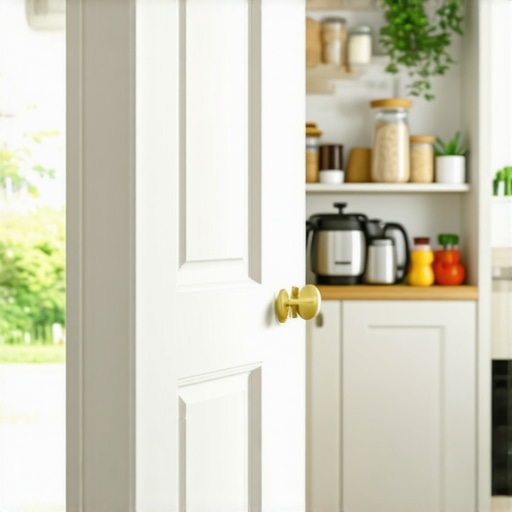
I was carrying a steaming pot of boiling pasta water across my old kitchen when it happened—the dreaded sleeve-snag. My favorite cardigan caught right on the corner of a bulky, ornate cabinet handle. I jerked back, almost lost the pot, and in that split second of adrenaline-fueled frustration, I looked at my beautiful, traditional hardware and realized it was actually my enemy. It wasn’t just the snagging; it was the years of scrubbing grease out of the tiny crevices where the metal met the wood. That’s when I started obsessing over a cleaner, smarter way to interact with my kitchen. Today, I want to show you why finger-pull channels—those sleek, integrated grooves—are far more than just a passing trend in modern design. We’re going to look at how they solve the literal friction of kitchen life and why they might be the best decision you make for your next remodel.
The Day I Finally Had Enough of Cabinet Knobs
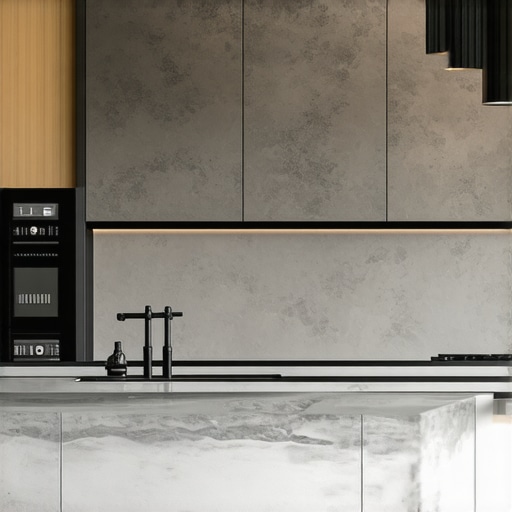
For the longest time, I thought handles were the jewelry of the kitchen. I spent a small fortune on statement pieces that looked great in a showroom but felt like a chore in reality. If you’ve ever tried to open a drawer with flour-covered hands without leaving a mess on a polished brass pull, you know exactly what I mean. When I finally transitioned to integrated finger-pulls during a modern kitchen remodel featuring custom cabinets and built-ins, the difference in daily flow was night and day. It’s about more than just aesthetics; it’s about removing the physical obstacles that slow you down. I used to think handles were necessary, but after seeing how custom cabinets act as a game-changer, I realized that less is almost always more.
Do these handleless channels actually work for real hands?
This is the first thing my neighbors ask when they walk into my kitchen. They worry that without a big handle to grab, they’ll be struggling to pry open a heavy drawer full of cast iron. I get it because I made a massive mistake early on: I once installed a cheap, shallow channel system in a laundry room that was so narrow it practically required tweezers to open. It was a classic case of the hardware mistake that makes expensive cabinets look cheap. But when done correctly with a properly recessed J-pull or C-channel, the ergonomics are actually superior. According to research from the National Kitchen & Bath Association, the demand for integrated hardware has surged by over 40% in recent years as homeowners prioritize cleanability alongside style. Have you ever felt like your current kitchen hardware is more of an obstacle than a help? Let me know, because once you go handleless, it’s hard to ever go back to the old way. We’re setting the stage for a sleek and functional kitchen that works for you, not against you.
Pick the Channel That Actually Fits Your Fingers
To get this right, you first have to choose your profile. Most people think ‘handleless’ is just one thing, but it’s really a choice between J-pulls and true C-channels, often called Gola profiles. A J-pull is literally carved into the top of the cabinet door. It looks incredibly sleek because the door itself acts as the handle. However, I learned the hard way with a client’s pantry that if you have long fingernails or larger hands, a shallow J-pull can feel like a trap. If you’re going for a more industrial or truly minimalist look, the C-channel is an aluminum track that sits behind the door rather than being part of it. This gives you a much deeper ‘well’ to grab. When you transform your kitchen with custom cabinets expert guide for 2025, deciding this early determines how every single drawer feels for the next decade.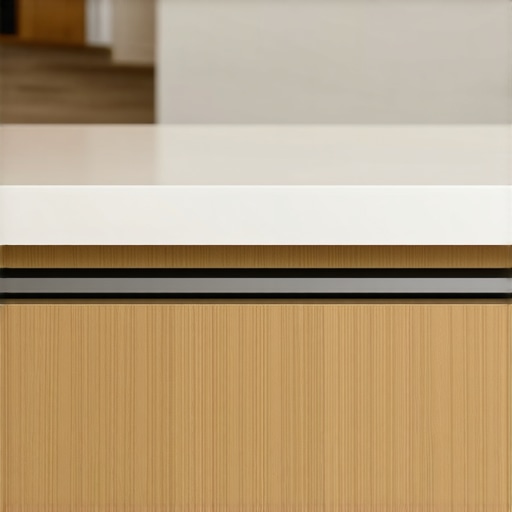
Leave Enough Room for More Than Just Your Fingertips
Spacing is where most DIY-ers or budget contractors fail. You need enough clearance for a hand to slip in comfortably, but not so much that you’re staring at the dark abyss of the cabinet interior. I usually recommend a 25mm to 35mm gap. If you go too tight, you’re basically doing finger pull-ups every time you want a snack. I once worked on a project where we used standard height doors with a channel, but forgot to account for the countertop overhang. Every time someone tried to open the top drawer, their knuckles scraped the underside of the granite. It was a mess. This is why we prioritize precision when explaining why frameless cabinets offer more storage than traditional face frame, as they allow for these integrated channels without sacrificing the structural integrity of the box.
Don’t Let Your Heavy Pots Kill Your Handleless Dreams
Now, let’s talk about the ‘Cast Iron Test.’ I have a drawer in my own kitchen that holds three Le Creuset pots and a massive Lodge skillet. The physics of pulling that much weight from a top-edge groove is significantly different than pulling a centered, traditional handle. You need high-quality, full-extension slides that don’t resist that initial tug. If your drawer is over 30 inches wide, you must ensure you fix a sagging pot and pan drawer with a center support to keep the alignment perfect. I once saw a cheap J-pull door actually hairline-crack because the user was pulling forty pounds of stoneware from a single point on the door’s top edge. High-end custom cabinets as a game-changer involve reinforcing these stress points so the beauty of the handleless look doesn’t lead to structural failure. You want the weight to be distributed through the drawer box, not just the decorative front.
Managing the Grease Factor on Seamless Surfaces
The one thing nobody tells you about handleless kitchens is that your fingers touch the cabinet face more often. With a traditional handle, your hand only touches the metal. With a finger-pull, you are inevitably making contact with the wood or laminate. This is why I always suggest that painted maple beats oak for a smooth cabinet finish that is easy to wipe down. I remember a holiday dinner where my nieces, with hands covered in buttered roll residue, opened every drawer in the kitchen. In a kitchen with ornate handles, I would have been scrubbing crevices for an hour. With my integrated channels, a single swipe with a microfiber cloth and the evidence was gone. It’s about building a innovative storage solution for modern kitchen remodels that accounts for the reality of messy lives.Most designers will tell you that solid wood is the only way to go for high-end work, but here is a contrarian take: for integrated finger-pulls, solid wood can be your worst enemy. Because wood expands and contracts with humidity, a J-pull carved into a solid oak slab can actually change shape enough to feel ‘sharp’ or ‘tight’ during a humid summer. This is why plywood box construction still beats particle board for kitchens, but also why we often use high-density cores for the door itself when doing handleless designs. A study by the Architectural Woodwork Institute (AWI) confirms that engineered cores provide up to 40% more dimensional stability than solid lumber in variable climates. If your heart is set on the look of grain, rift sawn oak for modern kitchen cabinets is the way to go because its linear grain is naturally more stable, but don’t ignore the technical benefits of modern composites.
What happens when your handleless doors try to occupy the same space?
The biggest ‘oops’ I see in semi-custom or DIY handleless projects is the corner collision. When you remove traditional handles, you often forget that you still need a ‘filler’ or a specific clearance at the corners so the doors don’t bind. I’ve seen beautiful remodels where the homeowner couldn’t open their silverware drawer and their oven at the same time because the finger-pull channels overlapped. It’s vital to fix cabinet doors that hit each other in the middle or at corners before the countertop is installed. 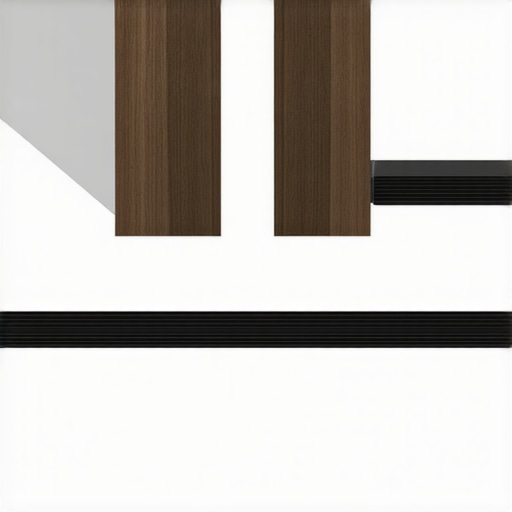 This is why expert tips on selecting storage solutions for a perfect kitchen upgrade emphasize the ‘reveal’—that tiny 3mm gap that makes the whole kitchen look expensive rather than just unfinished. Many people also assume that appliances like dishwashers just ‘work’ with these channels, but a standard integrated dishwasher often requires a specialized heavy-duty slave hinge to pull that panel without snapping the channel. If you don’t plan for the extra force needed to break the vacuum seal of a high-end fridge, you’ll end up with a cracked door profile. Have you ever fallen into this ‘aesthetic over physics’ trap? Let me know in the comments, because catching these details during the transform your kitchen with custom cabinets expert guide for 2025 phase is the difference between a kitchen that looks good and one that actually survives a Tuesday night dinner rush. We aren’t just building boxes; we are creating seamless kitchen remasters with built-in storage solutions that respect the laws of physics.Maintaining that surgical precision in a handleless kitchen isn’t just about luck; it’s about having a few key tools in your junk drawer—the fancy kind of junk drawer, of course. I personally swear by a self-leveling cross-line laser for any major re-alignments. When you have long horizontal runs of finger-pulls, even a tiny 1mm dip makes the whole kitchen look like it’s melting. If you notice your lines are looking a bit wavy, you don’t need a contractor; you just need to know how to adjust European hinges when your doors are crooked. I make it a point to check my alignments every spring when the humidity shifts, as wood-based panels will inevitably move. Maintaining the physical integrity of these channels is what separates a high-end custom build from a generic box store set.
Keep those gaps perfectly aligned
The secret to a long-lasting handleless kitchen isn’t just in the wood; it’s in the mechanics. Because you’re pulling on the door itself, you’re putting unique stresses on the hardware. Every six months, I take a can of compressed air to my drawer slides. It sounds overkill until you realize that crumbs and pet hair are the primary reasons why your soft-close slides are failing. According to the Blum Technical Specification Guide, while these systems are rated for over 200,000 cycles, particulate buildup in the dampening oil can cause premature ‘sluggishness.’ If things feel sticky, check out why your slow-close hinges are suddenly sluggish and how to clean them before you go out and buy replacements. Regular lubrication with a dry PTFE spray can also prevent the ‘grinding’ feel that develops in high-use areas like the trash pull-out.
How do I keep my handleless cabinets working perfectly for years?
Consistent check-ups on your hardware tension are vital. As we look toward the future of revolutionizing your kitchen remodel using built-ins and creative storage, we’re seeing a shift from manual channels to fully motorized touch-to-open systems. Imagine walking up to a pantry with two bags of groceries and just bumping the door with your hip to have it glide open. We are already integrating these into smart storage ideas to maximize your kitchen space this year, and the tech is only getting more reliable. If a screw does eventually pull loose from the repeated tugging of a heavy drawer, don’t panic—learning how to repair a stripped screw hole in a cabinet door is a five-minute fix that saves the entire panel. 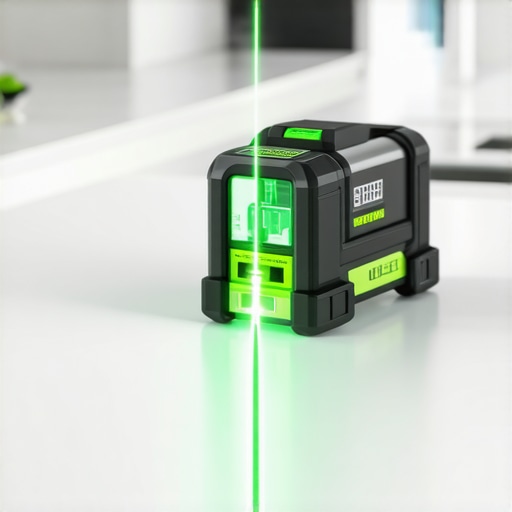 Scaling this minimalist look beyond the kitchen is the next logical step for a cohesive home. I’ve started applying these same finger-pull principles to mudroom cubbies and even home office built-ins. It prevents that ‘cluttered’ look that happens when you have twenty different knobs in a small space. If you’re dealing with heavy loads in a mudroom, you might even need to consider the cabinet screw mistake that causes heavy drawers to fail to ensure those handleless fronts don’t just rip right off under the weight of winter boots. I challenge you to try the ‘paper test’ this weekend: slide a piece of paper into the gap between two doors. If it grabs in one spot but falls through another, your hinges need a quarter-turn adjustment to restore that perfect, sleek line.
Lessons from My Years in the Handleless Trenches
Transitioning to a kitchen without traditional pulls isn’t just a design choice; it’s a lifestyle shift that requires a different perspective on interaction. Here is what I’ve learned after hundreds of installations and living with these systems myself. First, the ‘hip bump’ is a superpower you didn’t know you needed. When you revolutionize your kitchen remodel using built-ins and creative storage, you quickly realize that being able to nudge a heavy trash drawer open with your knee when your hands are full is a true luxury. Second, don’t fear the fingerprints as much as the brochures suggest. While many worry about smudges, choosing the right material—like textured laminates that are often more durable than real wood—makes daily maintenance almost invisible. Finally, remember that the ‘reveal’ is your best friend. A perfectly consistent gap is what makes seamless kitchen remasters with built-in storage solutions look high-end rather than just unfinished. If those horizontal lines aren’t straight, the whole minimalist illusion falls apart.
A Pro’s Minimalist Maintenance Toolkit
To keep your handleless kitchen looking like it belongs in a design gallery, you need a few non-negotiable tools in your arsenal. I always recommend keeping a self-leveling cross-line laser handy; it’s the only way to periodically ensure your long horizontal channels haven’t settled. For the mechanics of the drawers, a dry PTFE lubricant spray is essential. Unlike standard oils, it won’t attract kitchen dust or pet hair, ensuring your heavy-duty slides never feel gritty. Lastly, invest in high-density microfiber cloths. When you transform your kitchen with custom cabinets expert guide for 2025, you’ll find that a quick daily wipe of the finger-pull ‘well’ prevents oils from ever becoming a stubborn stain.
#IMAGE_PLACEHOLDER_E#
Step Into a Smoother Kitchen Future
Deciding to go handleless is about choosing flow over friction. It’s a commitment to a space that feels calm, looks architectural, and functions with a quiet efficiency that traditional hardware simply can’t match. Whether you are starting a full modern kitchen remodel featuring custom cabinets and built-ins or just upgrading a single bank of drawers, focus on the ergonomics and the precision of the build. Your future self—the one with flour on their hands and a boiling pot on the stove—will thank you for every physical obstacle you removed today. Have you ever felt like your current kitchen handles are more of an obstacle than a help? Let me know in the comments below!