How to Build a Custom Dog Bowl Drawer That Doesn’t Splash
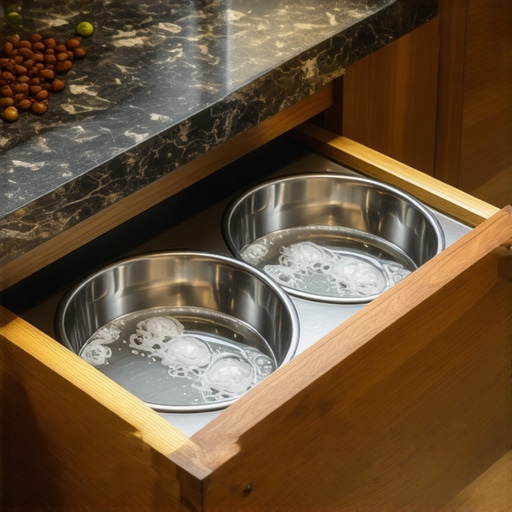
There is no wake-up call quite like stepping into a cold, slimy puddle of dog water in your socks at 6:00 AM. It happened to me more times than I care to admit before I realized that my kitchen floor wasn’t the problem—the bowl placement was. When we started looking into innovative storage solutions for modern kitchen remodels, I knew a built-in feeding station was non-negotiable. But here is the catch: most people build these drawers, fill the bowls, and then realize that every time they close the drawer, it creates a miniature tidal wave that soaks the cabinet interior. I have spent years perfecting the art of the ‘splash-free’ drawer, and I am here to tell you that it is entirely possible to have a clean, tucked-away feeding station without the mess.
Stop Stepping in Puddles Every Morning
When I first attempted this, I thought any old drawer would do. I slapped some plywood together, threw in two stainless steel bowls, and called it a day. Huge mistake. Within a month, I noticed 5 signs your cabinet bases are rotting quietly under the sink, or in this case, under the kibble. The wood was warping because I hadn’t accounted for the ‘slosh factor.’ According to the American Kennel Club, a large dog can drink up to a gallon of water a day, which means that bowl is being refilled and shifted constantly. If your drawer doesn’t have the right glide or height, you are just building a mold factory. Using custom cabinets as a game-changer in your kitchen remodel journey means thinking about these tiny mechanical details before the sawdust starts flying. Have you ever tried to hide a pet bowl only to find it made a bigger mess than before?
Won’t a hidden drawer just create a hidden mess?
This is the biggest fear I hear from homeowners. They worry that trapping moisture inside a closed drawer will ruin their expensive cabinetry. They are right to worry if they use standard, cheap hardware. One of my early fails involved using basic side-mount slides that jerked every time the drawer reached the end of its track. That sudden ‘thud’ sent a wave of water right over the rim. Now, I always tell people that why your soft-close slides are failing is usually down to debris or poor weight ratings, and for a dog drawer, you need the smoothest motion possible. We are talking high-end, under-mount, soft-close slides that decelerate the drawer so gently the water doesn’t even ripple. It turns a potential disaster into a sleek, functional part of your home. We’re going to dive into the specific measurements and materials that make this work, but first, let’s talk about why the ‘slosh’ happens in the first place.
Nail the Height or Your Floors Will Suffer
You need 4 to 6 inches of vertical clearance depending on the depth of your dog’s bowls. If you mount the drawer too high, your dog has to crane their neck uncomfortably; too low, and you’re wasting valuable storage volume. When designing modern kitchen remodels featuring custom cabinets and built-ins, the sweet spot for the drawer bottom is usually three inches off the floor. This height allows for a standard toe-kick profile while still fitting deep, stainless steel bowls that won’t tip over. I remember a project for a Great Dane named Duke where we ignored this—Duke ended up nudging the drawer so hard with his nose that it bypassed the catch and slammed shut, creating a kibble explosion. Now, I always measure the dog’s ‘comfort reach’ before the first piece of wood is cut.
Why Plywood Box Construction Still Wins for Water Bowls
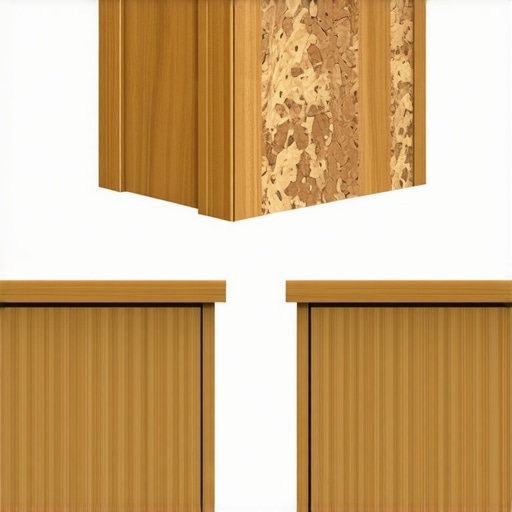
Never use MDF or particle board for a pet station. I have seen those materials swell up like a damp sponge the moment a single drop of water hits an unsealed edge. This is precisely why plywood box construction still wins over furniture board in wet areas. For a client’s Labrador, we used marine-grade plywood and sealed every interior joint with clear silicone. Even if the dog decides to go for a ‘deep dive’ in their water bowl, the wood remains armor-plated against moisture. Think of plywood as the hull of a ship; it can handle the occasional wave without falling apart at the seams.
Keep It Smooth to Keep It Dry
The ‘thud’ is the enemy of a clean kitchen. Standard drawer slides are like old truck suspensions; they handle weight, but they lack grace. If your drawer stops abruptly at the end of its travel, physics takes over and carries that water right onto your hardwood. This is where the real reason your cabinet drawer slides are grinding becomes a major issue—any friction causes a jerky, stuttering motion that splashes. You want full-extension, under-mount slides rated for at least 100 pounds. Think of it like a luxury car’s air suspension; the drawer should glide so smoothly that a full glass of water wouldn’t even ripple.
Avoid the Hardware Failure Trap
To ensure these heavy drawers stay on track, you have to be careful with your fasteners. Many DIYers make the cabinet screw mistake that causes heavy drawers to fail by using undersized screws that pull out under the weight of full water bowls. Use 1-inch pan-head screws for the slides to ensure they bite deep into the cabinet’s side walls.
The Waterproof Liner Safety Net
Even the best hardware won’t stop a messy eater from dripping. I always borrow the vancouver plumber trick why waterproof liners are mandatory for custom sink bases and apply it to pet drawers. We install a custom-cut silicone mat or a rigid plastic tray that sits inside the drawer box. If the water bowl overflows, the liquid stays in the tray, not the wood. I learned this the hard way after a client’s Boxer managed to drool a pint of water into a custom drawer every afternoon. By the time they noticed the smell, the wood was compromised. Now, a removable liner is my standard ‘insurance policy.’
Secure the Base or Watch it Slide
Finally, don’t just rely on the slides to hold the weight. When a large dog is leaning into that bowl, they are putting significant lateral pressure on the whole unit. You must ensure the cabinet itself is rock solid. Often, why your base cabinets should be secured with 3-inch rugged screws applies here just as much as it does for heavy granite island installations. If the cabinet box shifts even a millimeter, those precision slides will go out of alignment and start to stick, leading to the very splashes you were trying to avoid.
Deep Drawers Are Often a Recipe for Mold
Common wisdom suggests that when you are looking for innovative storage solutions for modern kitchen remodels, you should maximize every cubic inch. In the world of pet drawers, this is a dangerous trap. Most people ask for the deepest drawer possible to hide massive bags of kibble, but I have found that deep, dark voids are where spilled water and stray pellets go to rot. In my experience, a shallower profile with dedicated zones is significantly better for hygiene. If you cannot see the back of the drawer, you will not clean it, and that is exactly when the hardware mistake that makes expensive cabinets look cheap starts to happen—not because of the price tag, but because of the hidden grime buildup.
Is your custom pet station actually hurting your dog’s health?
There is a persistent myth that elevated feeders are always better for a dog’s joints, but advanced research suggests we need to be more nuanced. According to a study by the Purdue University College of Veterinary Medicine, there is a statistical correlation between elevated feeders and Gastric Dilatation-Volvulus (GDV) in certain large breeds. This means your ‘perfect’ built-in might actually be a health risk if the height is not adjusted for your specific breed’s biological needs. This is why transforming your kitchen with custom cabinets requires more than just an aesthetic eye; it requires a bit of research. I always ask my clients to check with their vet before we commit to a specific feeder height.
The Ventilation Gap No One Mentions
One of the biggest ‘oops’ factors I see in custom built-ins is the lack of airflow. You have got moisture, organic matter (dog food), and a dark, enclosed space—the perfect trifecta for a mold colony. While I advocate for why we use solid maple for drawer boxes instead of poplar because of its density and moisture resistance, even maple can struggle without air. I have started incorporating small, decorative CNC-cut vents in the side of the cabinet box to allow the wood to breathe.
Another nuance involves the material of the insert itself. While many people love the look of natural wood, I strongly suggest using plywood box construction paired with a removable quartz or stainless steel deck. This allows you to wipe down the surface where the bowls sit without ever touching the wood frame. It is these types of smart storage ideas to maximize your kitchen space this year that separate a simple DIY project from a professional kitchen remaster. Have you ever fallen into the trap of designing something that looked great on Pinterest but was a nightmare to keep clean? Let me know in the comments below.
Equip Yourself with the Right Maintenance Arsenal
Building the perfect pet station or storage unit is only half the battle; the real work starts in the months after the contractor leaves. I have seen stunning custom cabinets fall into disrepair simply because the homeowner didn’t have a basic maintenance kit. My personal toolkit always includes a high-quality hardware jig. It is the one tool you need for perfectly aligned cabinet knobs every time, and it is vital for checking that your drawer pulls haven’t vibrated loose over time. A loose pull on a heavy dog-food drawer creates uneven torque, which eventually warps the slide alignment. If you can feel the drawer ‘fighting’ you, it is time to grab the screwdriver before the wood starts to gall.
Stop Using the Wrong Lubricants on Your Hardware
I cannot stress this enough: keep the WD-40 away from your kitchen. It is a solvent, not a long-term lubricant, and its oily residue is a magnet for the ‘dog glitter’ (hair) and kibble dust that naturally settles near the floor. When my clients ask why their soft-close slides grind, the culprit is almost always a buildup of gunk in the ball bearings. According to technical documentation from Blum, a leading manufacturer of high-end hardware, these slides are designed to be self-lubricating, meaning the best thing you can do is simply keep them clean. I use a small handheld vacuum with a brush attachment once a month to clear the tracks. If things feel truly sticky, a dry PTFE (Teflon) spray is the only substance that should touch those rails because it stays dry and won’t trap hair.
How do I keep my custom drawers sliding like new for years?
The secret lies in understanding seasonal movement. Even the best-built modern kitchen remodels featuring custom cabinets and built-ins are subject to physics. You must remember why solid wood door panels still need room to breathe in summer; as humidity rises, your drawer boxes will swell. If you find your pet drawer sticking in July but gliding in January, you may need to make a slight adjustment to the tension. Most high-end slides have a small green or gray dial on the underside—turning this can compensate for that seasonal expansion without you needing to sand down the wood. It’s a five-second fix that prevents long-term structural damage.
The Future of Integrated Pet Tech
Looking ahead, I predict the ‘smart kitchen’ trend will fully embrace our four-legged family members. We are already seeing prototypes for cabinetry with integrated weight sensors that can alert your smartphone when the water bowl is low or if the kibble bin needs a refill. This isn’t just for convenience; it’s a major win for smart storage ideas to maximize your kitchen space this year because it prevents the ’empty bowl’ scraping behavior that can scratch up your expensive cabinet finishes. If your dog isn’t digging for the last drop of water, your cabinets stay pristine. I’m currently experimenting with retrofitting motion-activated LED strips inside these drawers so you can see exactly what needs cleaning without turning on the overhead lights at 6:00 AM. Try this today: Go into your kitchen and check the screws on your heaviest drawer; if they turn even a quarter-inch, you just saved yourself a future hardware failure.
The Most Expensive Mistake I Made With Pet Drawers
After years of building these, I have realized that the ‘slosh factor’ is actually a hardware problem. I once saw a beautiful mahogany unit fail because the weight of the water bowls slowly pulled the slides out of the frame. This taught me that why your base cabinets should be secured with 3-inch rugged screws isn’t just about heavy granite; it is about the constant tug and pull of a hungry 80-pound dog. My lightbulb moment was switching to marine-grade seals. If you don’t treat the inside of that drawer like the hull of a boat, the moisture will eventually find a way into your subflooring. Always remember that a custom pet station is a high-moisture zone disguised as furniture.
These Three Tools Will Save Your Cabinet Hardware
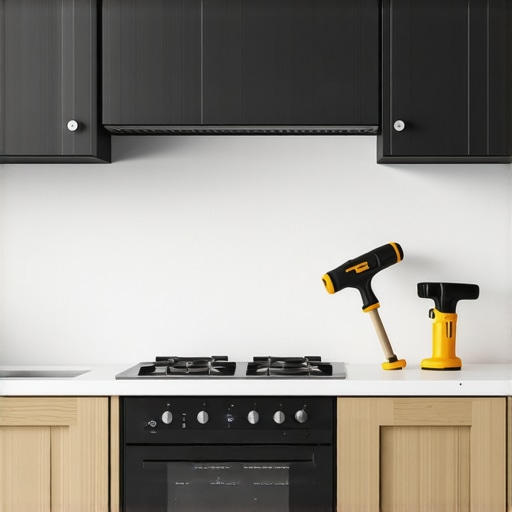
If you want your feeding station to last as long as the rest of your kitchen, you need more than just a screwdriver. First, I never start a drawer project without the one tool you need for perfectly aligned cabinet knobs every time—a high-quality drilling jig. Precise alignment is the only way to prevent those smooth-close slides from grinding. #IMAGE_PLACEHOLDER_E# Second, keep a bottle of dry PTFE spray in your utility drawer; it’s the only way to lubricate tracks without attracting dog hair. Lastly, investing in a custom-cut silicone liner is the ‘insurance policy’ that keeps your plywood pristine even during messy meal times.
Make Your Kitchen a Space for Every Family Member
The beauty of modern kitchen remodels featuring custom cabinets and built-ins is that they allow you to design for the life you actually live, not just the one you see in catalogs. Integrating a dedicated space for your pet isn’t just a luxury; it’s a way to eliminate morning puddles and keep your workflow seamless. Using custom cabinets as a game-changer in your kitchen remodel journey means your home finally works for everyone, including the four-legged members. Have you ever struggled with keeping your pet’s feeding area clean during a kitchen remodel? Let me know below.