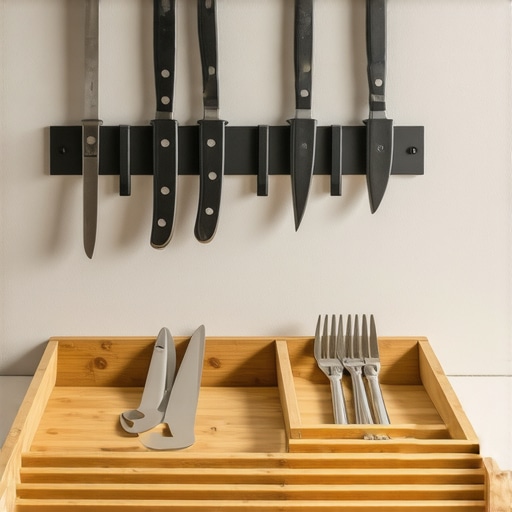
The Best Way to Organize Your Kitchen Tools for Efficiency
I was standing there, the smell of slightly-too-brown butter filling the air, frantically digging through a drawer that sounded like a hardware store falling down a flight of stairs. I just needed the whisk. One whisk. Instead, I found three half-broken garlic presses, a rusted peeler, and a corn cob holder I haven’t used since the summer of 2012. It hit me right then: my kitchen wasn’t working for me; I was working for my kitchen. If you’ve ever felt that spike of “kitchen rage” when a drawer gets jammed by a ladle, you know exactly what I’m talking about. We spend thousands on countertops and backsplashes, but if you can’t find a spatula when the eggs are burning, does the marble even matter? Today, I’m going to help you reclaim your sanity by showing you how a custom cabinets as a game-changer approach can turn a chaotic room into a chef-level workspace.
Stop Fighting Your Own Countertops
The biggest lie we tell ourselves is that we just need “more space.” I fell for it too. In my first home, I added more cabinets thinking it would solve the clutter, but I just ended up with more places to hide junk. I made the classic mistake of not planning for the “work triangle,” meaning I was still hiking across the linoleum every time I needed a colander. Real efficiency isn’t about square footage; it’s about accessibility. According to the National Association of Home Builders (NAHB), functional storage is now the most requested feature in modern kitchen remodels, beating out even luxury appliances. You want your tools to live where you use them. Your spices should be near the stove, not buried in a dark corner. If you’re constantly shuffling piles of mail to find your cutting board, it’s time to look into built-ins and storage hacks that actually make sense for your daily life.
Is High-End Custom Storage Actually Worth the Investment?
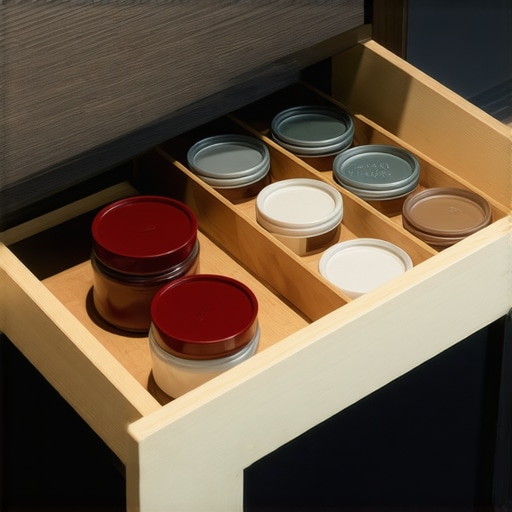
I get it. You see those fancy pull-out racks and think, “I could just buy a $10 plastic bin at the big-box store.” I thought that too, until my plastic bins started cracking and sliding to the back of the cabinet, creating a “black hole” of lost Tupperware. The truth is, things like a drawer within a drawer move or professional vertical dividers for baking sheets don’t just look pretty—they stop the physical toll of bending and digging. Have you ever had to get down on your hands and knees just to find a pot lid? That’s a design failure, not a “you” failure. I once spent an entire Saturday trying to fix a drawer that wouldn’t close simply because I’d overstuffed it with things that didn’t belong there. When you invest in the right bones, the clutter almost manages itself. What’s the one part of your kitchen that makes you want to close the door and walk away?
The Prime Real Estate Rule I Ignored
When I started out, I treated every inch of my cabinets as if it had the same value. I put my giant turkey roaster—used exactly once a year—right in the middle of my easiest-to-reach cabinet. Meanwhile, my daily coffee mugs were tucked away on a high shelf. I was essentially wasting my “prime real estate.” In a truly efficient kitchen, your most-used items need to be in the “strike zone”—between your waist and your shoulders. This is why I now recommend deep drawers for blenders and food processors instead of traditional lower cabinets with doors. I even learned the hard way to skip the lazy susan because things always fall off the back and get lost forever. Efficiency means everything you need is exactly one motion away.
Stop Running Marathons Between Your Sink and Stove
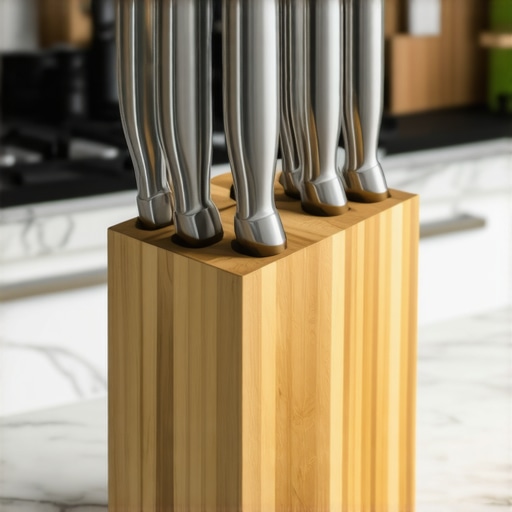
To make your kitchen actually work, you have to stop thinking about “storage” and start thinking about “stations.” I used to think a drawer was just a box for stuff. Then I tried to bake a three-layer cake in a kitchen where the flour was in the pantry, the mixer was in a lower cabinet behind three pots, and the measuring cups were across the room. I spent more time walking than whisking. This is why you need to group items by activity. For example, your prep station needs a dedicated prep sink right next to your knife block and a trash pull-out. If you are starting a modern kitchen remodel, look at your floor plan and map out your movements. If you’re crossing your own path more than twice to make a sandwich, the layout is broken.
The Heavy Lifters Need Better Homes
Small appliances are the biggest clutter culprits. If a stand mixer is on the counter, it’s a dust magnet; if it’s in a base cabinet, it’s a back-breaker. I once watched a friend practically tackle her food processor out of a corner cabinet just to make pesto. We fixed that by switching to deep drawers for blenders and food processors. It’s like a filing cabinet for your kitchen tech. Instead of digging, you just look down and lift up. If you’re really looking to maximize every inch, you can even build a hidden drawer behind a standard toe kick for those flat items like pizza stones or extra placemats. 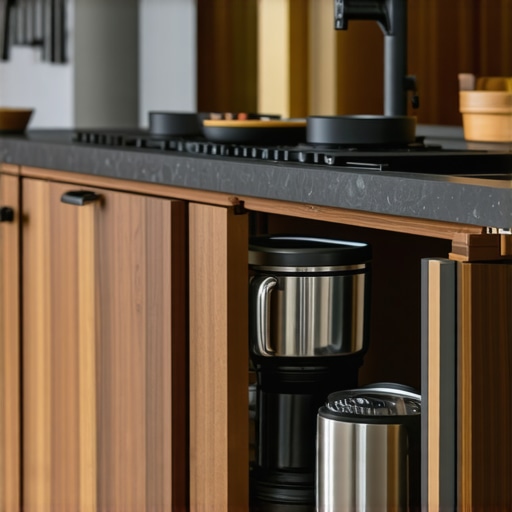
Unsexy Mechanics That Prevent Future Headaches
You can have the most beautiful walnut faces in the world, but if the hardware is cheap, you’ll hate your kitchen in six months. I learned this the hard way when a heavy pantry drawer I installed started screaming every time I pulled it out. I realized why drawer slides grind—it’s usually dust or poor alignment during the initial install. When you are looking for innovative storage solutions, focus on the weight ratings. If you’re doing this yourself, remember the secret to installing heavy pantry pull-outs solo is all about using support blocks to hold the weight while you drive the screws. Don’t rely on your biceps to hold a 40-pound drawer level while you’re reaching for a drill.
Don’t Ignore the Gaps and Wiggles
The final phase of any high-end custom cabinet transformation is the adjustment phase. Houses aren’t square; they’re living, breathing, shifting boxes. If your doors look crooked, it’s rarely the cabinet’s fault—it’s the wall. You need to know how to align cabinet doors when walls are out of plumb. It’s a 10-minute fix involving a screwdriver and a little patience. I remember spending three hours thinking I’d built a crooked cabinet, only to realize I just needed to properly shim the base on a high spot in the floor. These small tweaks are the difference between a kitchen that feels like it was thrown together and one that feels like it was engineered.The common wisdom says you want the deepest cabinets possible to maximize every inch of your floor plan. But I will tell you right now: that is a recipe for finding a jar of pickles from 2018 in the back of your pantry five years from now. In my experience, maximum depth often creates ‘dead zones’ that actually decrease efficiency. Instead of raw volume, focus on visibility. This is where smart storage solutions for small kitchens in 2025 are moving toward—shallower, more targeted shelving and pull-out systems that bring the contents to you. The National Kitchen & Bath Association (NKBA) emphasizes that ‘point-of-use’ storage, where items are stored exactly where they are first used, is the only metric that truly correlates with high user satisfaction scores in professional remodels. Have you ever fallen into the trap of thinking more space automatically meant better organization? Let me know in the comments.
Why Maximum Depth is a Storage Trap
When you are looking at expert tips on selecting storage solutions, you will often see advice to go big. However, the most sophisticated designs prioritize accessibility over sheer cubic inches. If a drawer is too deep, items get stacked, and you end up digging again. The ‘oops’ factor I see most often is homeowners neglecting the weight-bearing capacity of their hardware. You might have the volume for forty pounds of cast iron pans, but if you did not install heavy-duty slides, those drawers will eventually fail. I have seen beautiful modern kitchen remodels ruined by hardware that was not rated for the reality of a busy family kitchen. If your drawers feel sticky, it might not be the wood; you should check the real reason your soft-close drawers are sluggish in winter, which often relates to grease viscosity and hardware quality.
Can You Actually Fit Professional Storage Into a Small Footprint?
The biggest technical hurdle in a remodel is often the flooring. A common mistake is installing your luxury vinyl plank or hardwood before the heavy base cabinets. I always warn clients: luxury vinyl plank should not be trapped under your base cabinets because it needs to expand and contract. If you pin it down with thousand-pound islands, you are asking for buckling and gaps. Beyond the floor, the ‘unsexy’ part of transform-your-kitchen-with-custom-cabinets-expert-guide-for-2025 strategies involves sound dampening. If your kitchen sounds like a drum set every time a door closes, you missed the ‘quiet kitchen’ nuance. I suggest looking into the secret to a quiet kitchen by using high-quality silicone bumpers and soft-close hinges that are properly adjusted to the weight of the door. These tiny engineering details are what separate a ‘DIY-looking’ job from a professional, high-end installation.
After the dust settles on your modern kitchen remodel, the real work of preservation begins. I have seen too many high-end kitchens look tired after just a few years because the owners did not have the right rituals or specialized equipment. Personally, I do not go anywhere without a #2 Pozidriv screwdriver. Most homeowners instinctively grab a standard Phillips, but if you look at the technical documentation from hardware leaders like Blum, they specifically design their adjustment screws for the Pozidriv bit to prevent torque-slip and screw-head degradation. Using the wrong tool is the fastest way to strip your hardware and turn a simple fix into a permanent headache. If you have noticed a door that will not sit flush, you probably just need the 5-minute hinge adjustment to get everything back in perfect alignment.
The One Tool That Saves Your Hinges
How do I keep my custom kitchen looking brand new for a decade?
The secret is not just in the tools, but in the preventative cleaning methods you choose. I once had a client who used a abrasive eraser on their high-end matte finish, and it literally polished a permanent shiny bald spot into the door. For those with trendy dark finishes, you must know how to clean matte black cabinet hardware without scratches. Similarly, UV light is a silent killer for woodwork. If you do not have UV-protected glass in your kitchen windows, you will eventually find why your white cabinets are turning yellow as the lacquer reacts to the sun. I recommend a monthly walk-through: check for loose knobs, listen for hinges that squeak every time, and ensure your sink base drip trays are bone dry.
Scaling Your Storage as Life Changes
Your kitchen needs to evolve alongside your lifestyle. What worked when you were a couple might fail once you have toddlers or start a home-based catering business. This is why I always push for flexibility during the transform-your-kitchen-with-custom-cabinets-expert-guide-for-2025 phase. If you have invested in innovative storage solutions, make sure they are modular and adjustable. Looking ahead, I predict we will see more smart integration, such as moisture sensors that alert your phone to a leak under the sink before it ruins your cabinetry. For now, focus on the basics by creating a small dedicated maintenance kit. If you are feeling overwhelmed by the technical side of your project, you can always contact us for a professional deep-dive into your specific layout. My advanced tip for you this week? Go grab that Pozidriv screwdriver and check every single door reveal; you will be amazed at how much newer the kitchen feels when the lines are perfectly straight.
The Hardest Lesson I Learned About Finding What You Actually Need
The biggest epiphany I had after years of designing spaces wasn’t about the wood species or the paint color; it was realizing that deep cabinets are often the enemy of a happy cook. If you have to move three things to get to the one thing you actually need, your storage has failed you. I started implementing smart storage ideas to maximize your kitchen space this year that focus on bringing the back of the cabinet to the front. Another vital lesson: the floor matters more than you think. I’ve seen gorgeous islands ruined because someone forgot that luxury vinyl plank should not be trapped under your base cabinets, leading to buckling when the seasons change. Finally, remember that your kitchen should serve your height and your reach, not a generic standard you saw in a magazine.
Tools That Stop the Squeaks and Sluggish Drawers
If you want your kitchen to feel like a high-end showroom for a decade, you need a specific maintenance kit. Throw away your standard Phillips head for adjustments and get a #2 Pozidriv screwdriver; it is the industry standard for European hinges and will save you from stripped screws. I also keep a small bottle of dry lubricant for when I need to figure out why drawer slides grind. For those pesky alignment issues, learning how to fix a cabinet door that is rubbing the frame is a five-minute skill that prevents permanent damage to your finish. #IMAGE_PLACEHOLDER_E# I personally trust brands like Blum and Grass for hardware because their technical manuals are clear enough for any homeowner to follow when things inevitably shift over time.
Your Move Toward a Stress-Free Morning Coffee
Designing a kitchen isn’t just about the resale value; it is about the way you feel on a Tuesday morning when you’re running late and can actually find the coffee pods. By choosing custom cabinets as a game-changer, you aren’t just buying boxes; you are buying time and peace of mind. Don’t be afraid to break the rules of the “standard” kitchen if it means your daily routine becomes effortless. If you find yourself stuck on a technical detail or a tricky layout, you can always contact us to help refine your vision. You deserve a workspace that works as hard as you do. Have you ever struggled with a kitchen drawer that became a ‘black hole’ for utensils? Let me know your biggest storage struggle below!