The Hidden Hinge Trick for Heavy Mirror Cabinets in Bathrooms
I will never forget the sound. It was a sharp, sickening crack followed by the slow, agonizing groan of wood fibers surrendering to physics. I had just finished installing what I thought was a masterpiece of innovative storage solutions in our main bath—a massive, solid-oak framed mirror cabinet. It looked incredible for exactly three weeks before the door began to hang at a jaunty, terrifying angle. I had made the rookie mistake of using standard vanity hinges, thinking a hinge is a hinge, regardless of the load. I spent the next four hours praying the glass wouldn’t shatter while I scrambled to find a way to reinforce a door that weighed as much as a small child. This was my lightbulb moment: heavy mirrors demand a specific mechanical ‘trick’ to stay functional and safe. Today, I am going to show you exactly how to use high-load hidden hinges to ensure your custom cabinets never give you a heart attack in the middle of the night.
Stop the sag before your mirror hits the floor
The problem with bathroom mirror cabinets isn’t just the weight of the glass; it is the leverage. When you swing that heavy door open, you are putting immense pressure on the mounting plates. I used to think that just adding more screws was the answer, but I quickly learned that glue-only joinery or standard hardware simply cannot handle the sheer force of a high-end mirror. According to the Architectural Woodwork Institute (AWI), heavy-duty cabinet doors require hinges with specific load-bearing ratings—often exceeding 40 pounds per pair—to prevent the structural failure of the cabinet box. If you have ever wondered why your wall cabinets are pulling away from the wall, it usually starts with the wrong hardware choice. By using the ‘hidden hinge trick’—utilizing 170-degree wide-opening hinges with reinforced mounting plates—you distribute that weight back into the cabinet carcass rather than just the face frame. This ensures a smooth glide every time you reach for your toothpaste.
Will these hidden hinges actually hold up over time?
It is natural to be skeptical. You might worry that hiding the hardware makes it harder to maintain or that ‘fancy’ hinges are just more things that can break. However, once you learn how to adjust European hinges properly, you will realize they are actually more durable than the old-school barrel hinges. They offer three-way adjustability, meaning if the house settles or the wood expands in the bathroom humidity, you can fix a crooked door in thirty seconds with a screwdriver. Tell me, have you ever opened your bathroom cabinet only to feel the whole thing shudder under its own weight? It is a common frustration, but it is one we are going to fix for good by looking at the specific geometry of high-load supports. This isn’t just about aesthetics; it is about building storage solutions that last a lifetime.
Build a cabinet frame that fights back against gravity
When you are building a unit meant to house a massive mirror, the physics change entirely compared to a standard pantry door. You aren’t just making a box; you are building a structural frame that must resist twisting. I have seen beautiful custom cabinets fail because the builder treated the cabinet side-wall like a piece of decorative trim. For a heavy mirror, your cabinet boxes should be stapled, glued, and screwed using high-quality 3/4-inch plywood. If the core of the cabinet is weak, it doesn’t matter how expensive your hinges are; they will eventually tear the wood fibers right out of the carcass. Think of the cabinet box as the foundation of a house; if the foundation shifts, the doors will never stay level.
Give your screws some backup in the cabinet carcass
I once spent a Saturday morning in a client’s master bath in Indianapolis trying to salvage a ‘custom’ build where the contractor used standard kitchen hinges for a 40-inch tall mirrored door. Halfway through the inspection, I realized the side panels were too thin to support the leverage. I had to retroactively add a 3/4-inch internal cleat just to give the hinge screws enough ‘meat’ to bite into. It is the same logic you would use if you needed to reinforce a floating shelf for heavy cookbooks; you need a solid anchor point that will not flex when the weight shifts. This is also why you must avoid glue-only joinery for bathroom vanities—the humidity and the constant weight of the mirror will eventually cause a glue-only bond to fail, potentially sending glass everywhere.
The hidden hinge trick for high-load doors
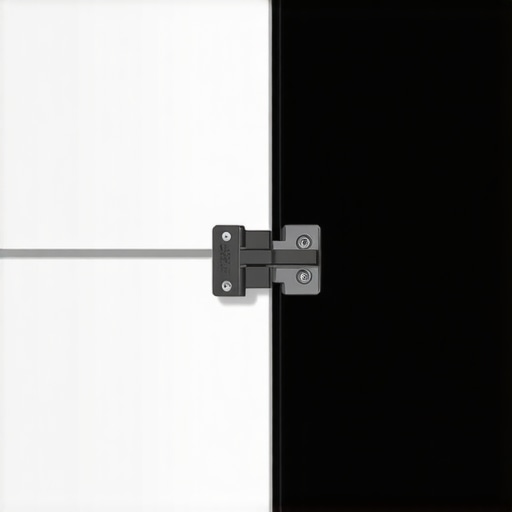
This is where the 170-degree hidden hinge becomes your best friend. Standard hinges usually have a ‘swing’ that puts all the tension on a narrow pivot point. A 170-degree hinge, however, moves the door out and away, distributing the leverage across a wider area of the cabinet face. This is a staple in innovative storage solutions because it allows for full access without stressing the hardware. When installing these, ensure your mounting plates are secured with 5mm Euroscrews rather than standard wood screws. Euroscrews expand into a pre-drilled hole, creating a mechanical bond that is nearly impossible to pull out under normal use. I remember a project where I swapped standard screws for Euroscrews and the door instantly stopped ‘ghosting’—that annoying habit of heavy doors slowly swinging open on their own.
Nail the alignment without losing your mind
Once the door is hanging, you have to master the ‘final nudge.’ Even the best installation looks like a DIY disaster if there is a crooked gap between the door and the frame. Learning how to adjust European hinges for a perfectly level door reveal is a skill that separates the pros from the amateurs. You are looking for three-way adjustment: height, depth, and side-to-side. On a heavy mirror door, I always start by over-adjusting the top hinge slightly higher than needed, knowing the weight will settle it into place. Using a 5-minute hinge adjustment technique can save you hours of frustration later. By distributing the weight equally across three or even four hinges, you ensure that no single piece of hardware is carrying the full burden, which is the real secret to a mirror cabinet that lasts for decades.Let’s dig deeper into why projects that look perfect on day one often fail by year two. Everyone tells you that solid wood is the gold standard for every square inch of your project. But here’s the nuance: for cabinet interiors, I’ll take a pre-finished maple interior over melamine any day. Melamine is prone to chipping at the screw holes, which is a structural death sentence for heavy mirror doors that require frequent opening. Furthermore, if you are planning a sleek, modern look, you need to understand the best wood species for painted cabinets that won’t show grain. Using oak for a painted mirror frame is a ‘sophomore’ mistake; the deep grain will telegraph through the paint as soon as the humidity shifts, making your custom work look like a cheap DIY attempt.
Stop the grain from ruining your painted finish
One ‘oops’ factor I frequently encounter is the ‘silicone shortcut.’ I’ve seen builders try to ‘seal’ weight-bearing joints with it, but you must remember why you should never use silicone for cabinet joinery—it prevents actual wood glue from bonding and offers zero structural support. If you’re building built-ins that elevate your living room’s functionality, rely on mechanical fasteners and high-grade PVA glue rather than decorative sealants to hold the load. According to the Kitchen Cabinet Manufacturers Association (KCMA), the finish’s resistance to moisture and chemicals is just as important as the joinery itself; a failed finish leads to wood swelling, which eventually pulls your hinges right out of their sockets.
Why do your high-end soft-close slides feel like they are dragging?
It’s not always a weight issue; sometimes, it’s a chemical reaction. The KCMA points out that improper household cleaning agents can actually strip the factory lubrication from your hardware. If you notice a change in the glide of your heavy mirrored doors, check why your soft-close slides grind and the quick lubrication fix before you replace the whole unit. Also, keep an eye on environmental factors; for instance, understanding why your white cabinets are turning yellow often comes down to the proximity of high-intensity bathroom lights or chemical cleaners, not just the quality of the paint. Have you ever fallen into the trap of choosing aesthetics over structural reality? Let me know in the comments. I’ve also noticed people over-engineering things that don’t need it while ignoring the obvious path of force. If you are looking for smart storage ideas to maximize your kitchen space this year, remember that every gram of weight needs a direct path to the wall studs. This is the same principle I use when I show clients the best way to reinforce a floating shelf for heavy cookbooks. Don’t let your ‘custom’ dream become a structural nightmare by skipping the invisible details.I cannot stress this enough: stop eyeballing your hardware placement. I spent years thinking a tape measure and a steady hand were enough, but when you are dealing with a mirrored unit that anchors your custom cabinets as a game-changer in your kitchen remodel journey, a 1/16th-inch error looks like a mile. This is where you need to invest in a True Position Drill Guide. It is the one tool you need for perfectly aligned cabinet knobs every time, and it works just as well for centering those high-load hinges. I use it because it eliminates the ‘drift’ that happens when a drill bit hits a hard knot in the plywood. If you are serious about expert tips on selecting storage solutions for a perfect kitchen upgrade, you have to prioritize precision at the drilling stage, or you will be fighting the alignment for the rest of the cabinet’s life.
Grab a real hardware jig or prepare to weep
Beyond the drill guide, your best friend for long-term results is a high-quality digital level. I’ve seen stunning built-ins and storage hacks for a sleek functional kitchen fail because the installer didn’t account for a 1-degree slope in the floor. For heavy mirrors, that tiny slope translates into a door that constantly wants to swing open or shut. According to Blum’s official technical documentation on hinge systems, for doors over 24 inches wide, additional hinges are required not just for weight, but to combat the leverage exerted on the mounting plate during the opening cycle. This technical threshold is why I always add a third hinge in the top third of the door—it’s the ‘power zone’ for weight distribution.
How do I keep these heavy doors functional for the next decade?
Maintenance isn’t just about cleaning the glass; it’s about managing the environment. You must remember why solid wood door panels still need room to breathe in summer. If your bathroom or kitchen lacks proper ventilation, the wood frames will swell, putting immense pressure on the hinges. Once a year, you should check the screws on your mounting plates. If you notice a ‘click’ or a ‘pop’ when the door opens, check why your soft-close slides grind and the quick lubrication fix. A single drop of high-grade dry-teflon lubricant on the hinge pivot can prevent the metal-on-metal fatigue that leads to catastrophic failure. If you ever need to replace a door due to damage, knowing how to match new cabinet doors to an existing stain without the guesswork will save you from having to redo the entire room.
The future of cabinetry is smarter than your thermostat
Looking ahead, I predict we are going to see ‘active’ hardware become the norm in high-end remodels. We are already seeing the beginning of integrated sensors that can alert a homeowner’s phone if a cabinet door is out of alignment or if the internal humidity is reaching levels that might warp the wood. This move toward ‘smart’ storage isn’t just a gimmick; it is about preserving the investment of your custom work. Before you finish your current project, I want you to try this one advanced tip: swap at least one standard wood screw on your top hinge for a 5mm Euro-screw. The mechanical expansion of that screw inside the cabinet wall provides a grip that standard threads simply cannot match. It’s the difference between a cabinet that lasts five years and one that lasts fifty.
Hard-Won Truths from the Sawdust Floor
Building heavy units over the last decade has taught me that gravity is a patient adversary. First, never assume a wall is perfectly flat; always assume you will need to shim the cabinet to prevent the frame from racking, which puts uneven stress on the glass. Second, always account for the ‘swing momentum’—if a mirror is heavy, the force of someone swinging it open too quickly can rip standard fasteners right out of the wood. Third, humidity in a bathroom is a silent chemical catalyst; it doesn’t just warp wood, it can corrode cheap hardware finishes, eventually seizing the pivot points. This is why I advocate for expert tips on selecting storage solutions for a perfect kitchen upgrade that prioritize mechanical durability over pure aesthetics. You have to think about how that door will feel ten years from now, not just on move-in day.
The Cabinetmaking Kit I Carry Every Single Day
To get professional results with heavy mirror doors, I rely on a few non-negotiable tools. I always keep a digital level in my pocket to check for vertical plumb—if the cabinet is even slightly off, a heavy mirror door will ‘ghost’ or refuse to stay in the position you left it. I also swear by the Blum Technical Guide; it is the absolute bible of hinge geometry and will tell you exactly how many hinges you need based on the specific weight and height of your door. Finally, use a high-quality self-centering drill bit for your mounting plates. If those holes are even a hair off-center, your 170-degree hinges will fight you during the adjustment phase. These tools are the foundation of transforming your kitchen with custom cabinets that offer both beauty and structural permanence.
Make Your Next Remodel Last a Lifetime
It is easy to feel overwhelmed by the physics of heavy mirrors, but once you master the hidden hinge trick and reinforced carcass construction, you will never look at a bathroom or kitchen remodel the same way again. Don’t be afraid to over-engineer; your peace of mind is worth the cost of one extra hinge and the upgrade to 5mm Euroscrews. If you are ready to revolutionize your kitchen remodel using built-ins and creative storage, focus on the structural bones before the decorative trim. Your future self will thank you for the silent, smooth glide of a perfectly balanced door every single morning. #IMAGE_PLACEHOLDER_E# If you have questions about your specific layout or weight requirements, feel free to contact us for expert advice. Have you ever had a heavy cabinet door sag or pull away from the wall after just a few months? Let me know in the comments below!