How to Choose the Right Sink for Your Kitchen Remodel
I’ll never forget the ‘Lasagna Incident of 2018.’ I was wrestling with a greasy pan in a sink so shallow it might as well have been a dinner plate. By the time I finished, my countertop was a lake, my back was screaming, and my patience was gone. It hit me then: we spend thousands on modern kitchen remodels, yet we often treat the sink like an afterthought. I made the classic mistake of picking a sink because it looked ‘sleek’ in a glossy catalog, without considering how it would actually handle a Sunday roast or a mountain of greasy dishes.
Stop Treating Your Sink Like an Afterthought
Putting a flimsy, vibrating sink into a high-end renovation is like putting budget tires on a Ferrari. It just doesn’t work. If you are looking into custom cabinets as a game changer for your home, your sink choice needs to match that level of quality and durability. According to the National Kitchen & Bath Association (NKBA), the kitchen sink is the most-used area in the home, seeing action nearly 15 to 20 times a day. If you don’t choose wisely, you’ll be reminded of that mistake every single time you rinse a glass. Have you ever felt like your current sink is actually fighting against your cooking flow? It’s a frustrating hurdle in what should be a functional space.
Is a Designer Sink Truly Worth the Extra Cash?
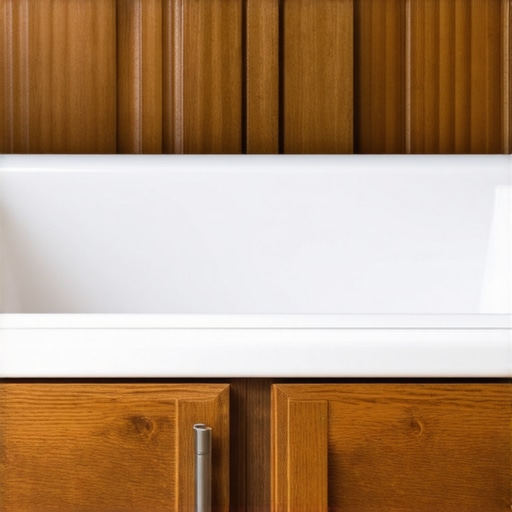
You might be skeptical, thinking a basin is just a basin, but I’ve learned the hard way that material, depth, and mounting matter more than the brand name. Early in my journey, I ignored the structural requirements of a heavy cast-iron sink, and it nearly collapsed through the base of my brand-new cabinets. I didn’t realize back then why most undermount sink clips fail and why a custom plywood cradle is a non-negotiable for heavy-duty setups. Today, we are going to dive into how to pick a sink that survives the ‘lasagna test’ and perfectly complements your guide to custom cabinets. We’ll also explore why every kitchen island needs a dedicated prep sink for real efficiency and how to avoid the ‘water on the floor’ syndrome for good.
Build a Support System That Actually Lasts
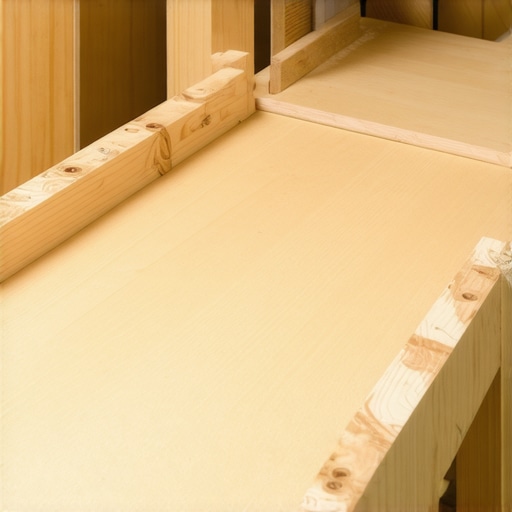
The biggest lie in the kitchen industry is that little metal clips can hold up a heavy undermount sink full of water and cast-iron pans. They can’t. Over time, those clips vibrate loose, the silicone seal breaks, and suddenly you have a moldy mess behind your cabinetry. Think of your sink like a bridge; it needs a foundation, not just a few brackets. This is why I always insist on a custom plywood cradle. I remember a project in Indianapolis where a homeowner wanted a massive 100-pound fireclay sink. The cabinet manufacturer sent a standard base, but we knew better. We built a 3/4-inch plywood shelf inside that cabinet, notched perfectly for the plumbing. When that sink dropped in, it didn’t budge a millimeter. That is the secret to why most undermount sink clips fail and why a physical wooden support is the only way to go for long-term peace of mind in modern kitchen remodels.
Pick a Material That Handles Your Worst Sunday Roast
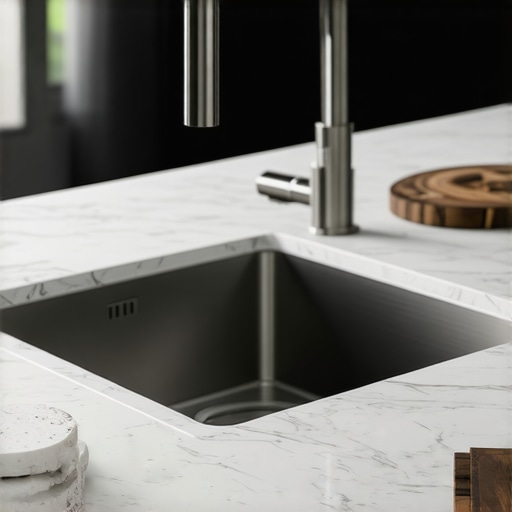
Stainless steel is the workhorse of the kitchen, but not all steel is created equal. You want 16-gauge steel—anything thinner will sound like a drum every time the faucet runs. If you prefer the look of stone or fireclay, keep in mind that these materials are unforgiving. Drop a wine glass in a fireclay sink, and it’s game over for the glass. However, they are incredibly heat resistant. In my own kitchen, I opted for a high-quality composite because it hides scratches from heavy Dutch ovens. If you are already investing in custom cabinets as a game changer, don’t undercut the value by choosing a sink that will look dull and scratched within two years. Match the durability of your basin to the resilience of your surfaces, especially considering the one kitchen flooring choice that survives heavy spills better than hardwood for a truly bulletproof workspace.
Design for Your Back Instead of Just Your Eyes
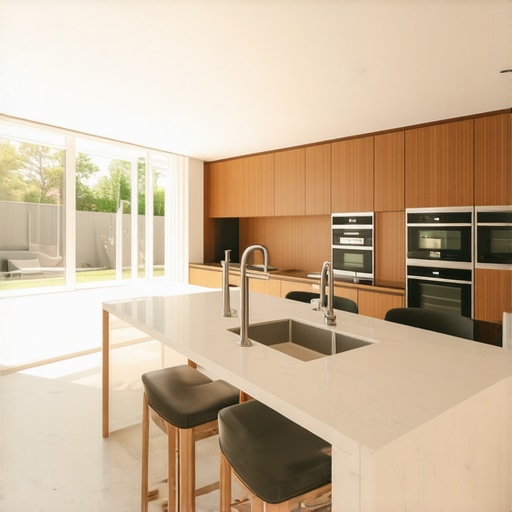
Ergonomics often take a backseat to aesthetics, but a sink that is too deep will leave you hunched over and aching. A 10-inch deep sink sounds great for hiding dishes, but by the time you add the thickness of a granite countertop, you are reaching down nearly a foot to scrub the bottom. I’ve found that a 9-inch depth is the ‘sweet spot’ for most adults. To further optimize the workflow, we often recommend 36-inch base cabinets for every modern remodel to ensure everything sits at a comfortable height. If you have the space, don’t forget the efficiency of a second water source. I’ve seen families transform their entire cooking routine once they realized why every kitchen island needs a dedicated prep sink. It separates the ‘clean up’ zone from the ‘creation’ zone, preventing that frustrating bottleneck when two people try to use the faucet at once. Pair this with the vertical plate rack trick for drying dishes out of sight, and your counters will finally stay clear of clutter.
Stop Sacrificing Your Corners to the Lazy Susan Gods
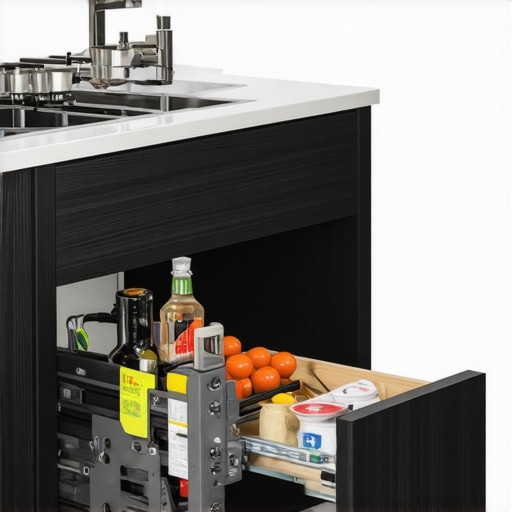
Everyone tells you that a Lazy Susan is the only way to handle a blind corner. In my professional experience, that is a flat-out myth. Lazy Susans are prone to things falling off the back, and once a jar of honey gets stuck in the mechanism, it’s a nightmare to clean. If you want to truly revolutionize your kitchen remodel using built-ins, you need to look at mechanical pull-outs. This is one of the most common nuances homeowners miss: square footage does not equal usable storage. I always tell my clients why you should skip the lazy susan and install lemans pull-outs instead. They bring the entire contents of the cabinet out into the light, so you never have to crawl on your hands and knees to find that one specific lid again.
The Smelly Mistake You Will Regret Near Your Range
Here is a specific ‘oops’ factor that I see in nearly 30% of amateur kitchen designs: placing the trash pull-out directly adjacent to the oven. It seems logical for prep, but the heat transfer from the oven wall can accelerate the decomposition of organic waste in your bin. It sounds minor until your high-end kitchen smells like a landfill every time you bake cookies. I’ve had to go back into completed projects just to swap cabinet positions because of this. This is exactly why your garbage pull-out should never be next to the oven. Furthermore, you must ensure why your trash pull-out needs a bottom-mount slide to handle the literal weight of a week’s worth of refuse without the door sagging or becoming crooked over time.
Can Your Drawer Slides Actually Handle the Weight of That Stand Mixer?
A sophisticated reader knows that weight ratings are more important than wood species when it comes to longevity. According to a study by the Kitchen Cabinet Manufacturers Association (KCMA), standard drawer slides are only rated for about 75 to 100 pounds. When you factor in the weight of a heavy-duty drawer box and a 30-pound stand mixer, you are dangerously close to the limit. If you notice why your drawer slides are grinding, it is usually because the ball bearings are being crushed under an inappropriate load. For serious chefs, I recommend the deep drawer move for storing blenders and food processors, utilizing 150-pound over-travel slides. This ensures that even when the drawer is fully extended, the hardware won’t deflect or fail. Have you ever fallen into the ‘more is better’ cabinet trap only to find half your items are unreachable or the drawers are sticking? Let me know in the comments.
Maintaining a dream kitchen is a marathon, not a sprint. I’ve seen expensive projects look like they’ve been through a war zone after just three years because the owners didn’t know how to treat the finishes or the moving parts. If you’ve invested in innovative storage solutions for modern kitchen remodels, you have to be proactive about the mechanics. One of the most common issues is the slow creep of gravity. Over time, those heavy cabinet doors will sag ever so slightly. Instead of panicking when a door looks crooked, you should learn how to adjust european hinges for a perfect level door reveal. It only takes five minutes and a screwdriver, yet it keeps the entire aesthetic from falling apart. According to technical documentation from hardware leader Blum, their high-end hinges are rated for 200,000 opening and closing cycles, but that durability assumes the hinge isn’t fighting against a misaligned frame.
How do I maintain my custom cabinetry over the long haul?
The biggest enemies are heat and humidity. I always warn my clients why your white cabinets are turning yellow and how to prevent it; often, it’s a mix of direct UV sunlight and lack of ventilation during high-heat cooking. To keep the insides of your units working perfectly, keep an ear out for any noise. If you hear a scratchy sound, it’s time to look at why your soft-close slides grind and the quick lubrication fix. A tiny bit of food debris in those ball bearings can ruin a high-quality slide in weeks. 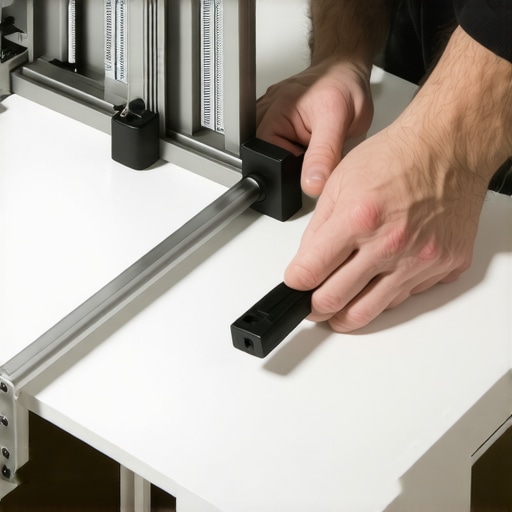
The One Tool That Saves You From Heartbreaking Misalignments
If you are taking the DIY route for some finishing touches or installing your own hardware, stop what you are doing and buy a dedicated cabinet hardware jig. I never touch a drill to a door without one. It is the one tool you need for perfectly aligned cabinet knobs every time. Guessing where the center of a stile is will only lead to a hole you can’t fill. When selecting your pulls, keep ergonomics in mind—I always share the secret to choosing hardware that does not snag your pockets because there is nothing more annoying than a handle that catches your jeans every time you walk by. Looking forward, I predict that ‘smart hardware’ with built-in sensors will soon notify us via smartphone when a drawer slide needs lubrication or a hinge is out of alignment by even a millimeter. For now, we rely on our eyes and regular upkeep. My challenge to you today: open your busiest drawer, wipe down the tracks, and check the alignment of just one door—it’s the first step to ensuring your revolutionize your kitchen remodel using built-ins remains as sharp as the day it was installed.
The Hardest Lessons I Learned About Custom Layouts
Looking back at my early projects, the biggest revelation was that aesthetics should never bully functionality into a corner. I used to prioritize the ‘look’ of a farmhouse sink until I realized the importance of the structural support underneath. Now, I never start a project without ensuring why your cabinet boxes should be stapled, glued, and screwed for maximum durability. Another ‘lightbulb moment’ came when I stopped letting the plumber take over the entire cabinet; utilizing the simple pivot that reclaims your under-sink plumbing space changed everything for my organization game. Finally, remember that silence is a luxury—upgrading to thicker steel makes a world of difference in the daily noise level of your home. If you want longevity, skip the flimsy clips and demand a structural solution.
My Essential Toolkit for a Stress-Free Install
If you want professional results, you cannot rely on guesswork. I always use a dedicated hardware jig because the one tool you need for perfectly aligned cabinet knobs every time prevents those heart-stopping drilling mistakes that can ruin a custom door. For the heavy lifting, I ditch the standard hardware for 3-inch rugged screws to secure base cabinets, ensuring nothing shifts under the weight of stone counters or full basins. Lastly, I keep a reference guide handy for how to adjust european hinges for a perfectly level door reveal, because even the best cabinets need a little fine-tuning after the house settles and the seasons change.
Take the Leap Toward a Kitchen That Works for You
Your home should be a source of joy, not a collection of small frustrations. Investing in modern kitchen remodels featuring custom cabinets and built-ins is a commitment to your long-term comfort and efficiency. When you focus on the details—the slides, the supports, and the smart storage—you create a space that truly serves your family. Don’t be afraid to ask for the high-end hardware or the custom reinforcements that make a kitchen last for decades. What is the one thing in your current kitchen that frustrates you the most every single day? Let me know in the comments below!