The Best Way to Organize a Blind Corner Cabinet
I remember the night I nearly called a search party for my favorite cast-iron skillet. I knew it was in there—somewhere in that dark, cavernous void we call the blind corner cabinet. I was on my hands and knees, flashlight in one hand, half my torso wedged between the dishwasher and the sink, smelling nothing but stale dust and regret. It is the Bermuda Triangle of the kitchen. You put a salad spinner in, and you never see it again. If you are currently planning a kitchen remodel, you know exactly the frustration I am talking about. It is the space where Tupperware lids go to disappear and heavy mixers go to be forgotten forever.
Stop Losing Your Kitchen Gear to the Dark Abyss
Early in my journey of perfecting my home, I made the classic mistake of thinking I could just organize my way out of a bad layout with a few cheap plastic bins and a lot of hope. I thought if I just stacked the heavy pots in the back and the light ones in the front, everything would stay tidy. Spoiler alert: it did not. I ended up with a stack of scratched pans and a very sore back. When we talk about custom cabinets, the blind corner is the ultimate test of design versus reality. According to the National Kitchen & Bath Association (NKBA), maximizing functional storage is now the top priority for over 70% of homeowners, yet the corner cabinet remains the most underutilized square footage in the American home. I have seen so many people settle for a basic lazy susan, only to realize those spinning trays often let small items fly off into the no-mans-land behind the mechanism. Once something falls off a spinning tray in a blind corner, it belongs to the house now.
Is a High-End Pull-Out Actually Worth the Hype?
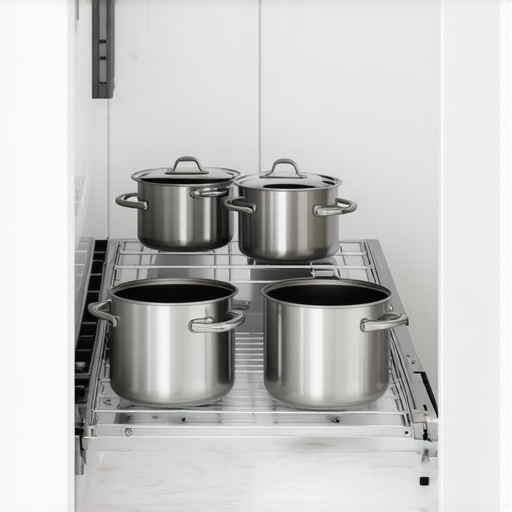
I get it. You see the price tag on a heavy-duty swing-out shelf and you think, “I could buy a whole new appliance for that.” But consider the daily frustration. Have you ever spent ten minutes digging for a lid while your soup boiled over? If you have, you have already paid the frustration tax. We need to stop treating corner storage as an afterthought and start seeing it as the heart of smart storage solutions. The goal is not just to hide the clutter; it is to bring the contents of the cabinet out to you so you never have to crawl on the floor again. Have you ever found yourself avoiding a specific recipe just because you did not want to dig out the heavy equipment from the corner? If so, tell me about your most hated cabinet struggle in the comments—I bet I have been there too. To truly fix this, we have to look at the hardware that actually survives real-world use.To turn that dark hole into a functional asset, you have to look at the math of the room. I always tell my clients that your kitchen remodel should start with the floor plan, not the color of the granite. If the blueprint doesn’t account for the swing of a heavy-duty pull-out, you’re just building a bigger problem. Think of your cabinet layout like a game of chess; if you don’t anticipate the next move—in this case, your reach into the corner—you’ll end up trapped. This is where following the work triangle rule becomes less of a suggestion and more of a survival tactic for your sanity.
Reclaim Your Dead Space with a Better Layout
Stop Fighting Gravity with Heavy-Duty Hardware
The most common mistake is assuming a standard shelf is enough. It’s not. You need a mechanism that brings the shelf to you. I recently worked on a project where the homeowner insisted on a standard shelf because they wanted to save a few hundred dollars. Six months later, I was back in their kitchen, ripping that shelf out to install a LeMans system. The reason? They couldn’t reach their heavy stand mixer without bruising their shins. When you skip the lazy susan and opt for a high-end swing-out, you are investing in the longevity of your back. These systems are like the suspension on a luxury car; they are designed to glide under the weight of heavy cast iron without sagging or sticking. 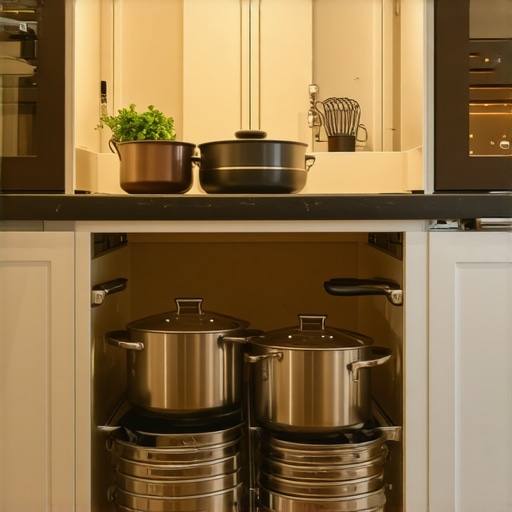
Level Everything Before the Countertop Arrives
I once spent an entire Saturday afternoon fighting a corner cabinet in a 1920s bungalow. The floor had a personality—which is a polite way of saying it was as level as a mountain range. If you don’t find the proper way to shim cabinets on a high spot, your expensive pull-out hardware will never track straight. It will feel sluggish, and eventually, the ball bearings will grind themselves into dust. I had to pull the whole unit out and restart because a two-millimeter tilt was causing the door to rub. Using a long level and taking your time here prevents the sluggish drawer syndrome that plagues so many DIY projects.
Installation Secrets for a Professional Result
Fine-Tune the Mechanics for Daily Use
Once the boxes are in, the real magic happens in the adjustments. If you notice your drawer fronts are crooked, don’t panic. Modern custom cabinets come with adjustment screws that allow you to pivot the front until it is perfectly plumb. This is especially critical for storing heavy small appliances in those corners. If the weight is not centered and the slide is not perfectly horizontal, you will be fighting the cabinet every time you want to cook. I have found that installing heavy pantry pull-outs solo is possible if you use a temporary support block to hold the weight while you drive the screws. It is these small, technical wins that separate a high-end remodel from a weekend patch job.Most people assume that a high-end remodel means cramming in every possible inch of cabinetry. In my experience, that is how you end up with a kitchen that feels like a crowded warehouse rather than a functional workspace. The nuance that most beginners miss is that storage is not about volume; it is about accessibility and load-bearing logic. Everyone says ‘fill every wall,’ but I have found that expert tips on selecting storage solutions focus on the quality of the reach, not just the quantity of the boxes. If you cannot reach the back of a 24-inch shelf without a step stool or a flashlight, that space does not truly exist for your daily cooking needs. 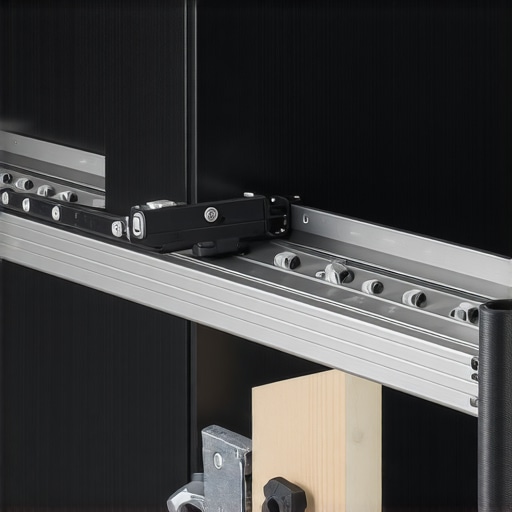
Why More Cabinets Often Mean Less Functional Space
One major trap is ignoring the weight limits of modern luxury hardware. A standard drawer slide might be rated for 75 pounds, which sounds like a lot until you put a professional-grade stand mixer and a stack of heavy stoneware inside. This is frequently why your drawer slides are grinding after just a few months of use. A study by the Research Institute for Cooking and Kitchen Intelligence (RICKI) found that homeowners often prioritize the aesthetic finish of their cabinets over the durability of the internal hardware, leading to mechanical failure within the first three years of a remodel. If you do not upgrade the rails for your heaviest items, you will eventually find yourself wondering how to fix a drawer that wont close all the way because the internal frame has actually bowed under the constant pressure. Have you ever fallen into this trap of picking ‘pretty’ over ‘powerful’ hardware? Let me know in the comments.
Can Your Design Handle a Plumbing Emergency Without a Sledgehammer?
This is the ultimate ‘oops’ factor I see in custom work. People build these beautiful, permanent islands and sink bases, only to realize they have completely blocked access to critical home infrastructure. I always recommend using the hidden cabinet layout that fits a 6-stage reverse osmosis system without sacrificing every inch of your under-sink real estate. Even more critical is planning for the ‘what if’ scenarios. Incorporating the removable cabinet back move ensures that if a pipe leaks or a valve fails, you do not have to rip out three thousand dollars of custom millwork just to reach a ten-cent washer. Real expertise in custom cabinets as a game changer is not just about how it looks on day one, but how easily it can be maintained on day one thousand. Most people think custom means ‘permanent,’ but the best custom work is actually designed to be modular and accessible for the future of the home.Once the dust settles and your brand-new kitchen is finally functional, the real work begins: the long-term maintenance of those precision-engineered moving parts. I have seen too many people spend forty thousand dollars on custom cabinets only to treat them like they are indestructible. If you want your investment to survive the daily grind, you need a specialized toolkit that goes beyond a standard hammer and a cheap screwdriver. I personally swear by a #2 PoziDriv screwdriver for any European-style hinge adjustments; using a standard Phillips head is the fastest way to strip those screws and leave you wondering how to fix a stripped screw hole in a door that cost more than your first car. According to the Blum Technical Manual, the internal damping systems in high-end hinges are designed for 200,000 cycles, but only if they are kept aligned. If you let them sag, you are essentially asking the metal to fatigue prematurely.
Get These Specific Tools Before You Touch Your Hardware
I never walk into a kitchen without a 36-inch precision level and a canister of dry-film lubricant. Do not use WD-40 on your drawer slides; it is a dust magnet that will eventually turn into a sticky paste, which is often why your drawer slides are grinding. Instead, use a PTFE-based spray that leaves no residue. If you notice things are feeling a bit tight in January, remember the real reason your soft-close drawers are sluggish in winter is usually the thickening of the internal grease, not a mechanical failure. A quick wipe-down and a tiny puff of dry lube can save you a service call. For those of you with painted finishes, keep a high-quality microfiber cloth and a gentle, pH-neutral cleaner on hand to prevent the finish from degrading. This is especially vital for light colors to understand why your white cabinets are turning yellow and how to stop it before the damage is permanent.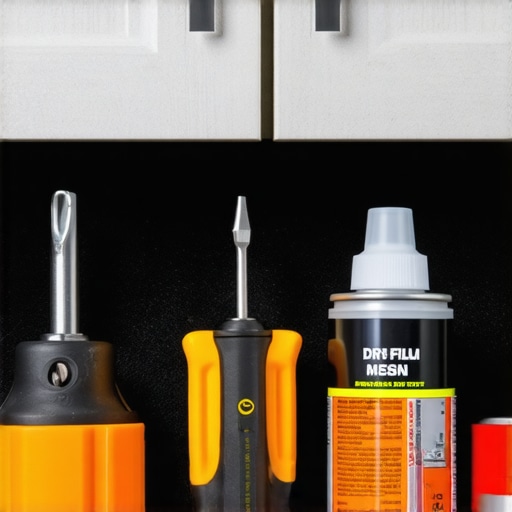
How do I maintain my custom pull-outs over time?
The secret to a kitchen that feels new ten years later is the ‘Quarterly Check.’ Every three months, I recommend emptying your heaviest drawers—the ones where you store heavy small appliances—and checking the mounting screws. Vibrations from slamming drawers and the weight of that heavy mixer can slowly back those screws out of the wood. If you catch it early, it is a thirty-second fix with a screwdriver. If you wait, the screw hole becomes oval-shaped and you will be hunting for expert tips on selecting storage solutions to replace the whole unit. Looking ahead, I predict we will see more ‘smart’ hardware integration, where sensors in the rails notify your phone if the drawer is out of level or if the weight capacity is being exceeded. We are already seeing touch-to-open technology become standard in modern kitchen remodels, and the maintenance for those electronic drives is surprisingly low-impact if you keep the tracks clear of debris. Take five minutes this weekend to check your most-used cabinet; if it catches or clicks, don’t ignore it. Grab your PoziDriv and give those adjustment screws a quarter-turn today.
Lessons the Blind Corner Finally Taught Me
After years of wrestling with poorly designed layouts, I have come to realize that the most expensive kitchen is the one that does not work. One major takeaway is that vertical space is often wasted; built-ins and storage hacks are the only way to stop that ‘dark hole’ effect in the corners. I also learned that you should never trust a subfloor to be flat. If you do not use the proper way to shim cabinets on a high spot, your mechanical pull-outs will never feel like the luxury upgrades they are supposed to be. Finally, remember that every extra inch of ‘storage’ you add without a plan for accessibility is just another place for clutter to hide and grow.
My Go-To Gear for Perfect Cabinetry
To keep your kitchen running like a well-oiled machine, I recommend a few specific tools and resources. First, get a dedicated PoziDriv #2 screwdriver; it is non-negotiable for making adjustments to European hinges without stripping the heads. Second, I always suggest exploring innovative storage solutions for modern kitchen remodels that focus on the ‘reach’ rather than just the ‘shelf.’ Lastly, keep a high-quality PTFE spray in your junk drawer to maintain those slides once a year. I trust these methods because they prioritize the longevity of the materials over quick, temporary fixes.
#IMAGE_PLACEHOLDER_E#
Take Back Your Kitchen Today
Investing in your home’s most used room is a journey that pays dividends in daily peace of mind and cooking efficiency. When you stop fighting your furniture and start using custom cabinets as a game changer, the way you cook and live transforms. You deserve a space where everything is within reach and nothing is lost to the abyss of the back wall. Have you ever discovered a ‘lost’ kitchen gadget months after you thought it was gone forever? Let me know your funniest kitchen find in the comments below!