The Secret to a Quiet Kitchen: Dampening Your Cabinet Doors
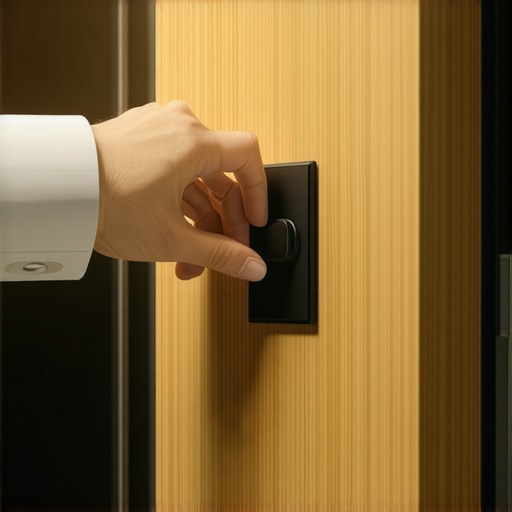
I remember standing in the dark at 5:30 AM, just trying to grab a single bowl for my oatmeal without waking the entire household. I barely let go of the cabinet door, and—WHAM. It sounded like a drum solo in an empty cathedral. My wife woke up, the dog started barking, and my peaceful morning was officially shot. That was the moment I realized that while my [modern kitchen remodels featuring custom cabinets and built-ins](https://artisancabinetworkz.com/modern-kitchen-remodels-featuring-custom-cabinets-and-built-ins) looked beautiful, they sounded like a construction zone. We focus so much on the aesthetics—the stone, the wood grain, the paint—but we often ignore the one thing that actually impacts our daily peace: the sound of a closing door. Today, I want to share how you can finally silence that kitchen clatter and why it is the single best upgrade you will ever make for your sanity.
Stop the Slam and Save Your Sanity
I’ve spent years helping homeowners realize that their [custom cabinets as a game changer in your kitchen remodel journey](https://artisancabinetworkz.com/custom-cabinets-as-a-game-changer-in-your-kitchen-remodel-journey) shouldn’t just be about more space; they should be about better living. When I first started out, I made a classic amateur mistake. I thought I could fix my noisy kitchen by sticking those cheap, clear rubber bumpers on the corners of every door. Within a week, half of them had fallen off, and the other half had slid an inch to the side, leaving a sticky, yellow residue on my beautiful frames. It was a mess, and it didn’t even solve the problem. Honestly, if you are looking for [expert tips on selecting storage solutions for a perfect kitchen upgrade](https://artisancabinetworkz.com/expert-tips-on-selecting-storage-solutions-for-a-perfect-kitchen-upgrade), you have to look at the hardware first. [IMAGE_PLACEHOLDER]
Is soft-close hardware actually worth the extra money?
This is the question I get every single time we talk about dampening. People worry that it is just a gimmick, but the science says otherwise. According to research published in the International Journal of Environmental Research and Public Health, chronic exposure to low-level, impulsive household noises—like slamming doors—can significantly raise cortisol levels and contribute to daily stress. It isn’t just an annoyance; it’s a biological irritant. By integrating [innovative storage solutions for modern kitchen remodels](https://artisancabinetworkz.com/innovative-storage-solutions-for-modern-kitchen-remodels) that include high-quality dampeners, you aren’t just buying hardware; you are buying a quieter, calmer home life. Whether you need to learn [how to adjust European hinges for a perfectly level door reveal](https://artisancabinetworkz.com/how-to-adjust-european-hinges-for-a-perfectly-level-door-reveal) or figure out [why your soft-close slides grind and the quick lubrication fix](https://artisancabinetworkz.com/why-your-soft-close-slides-grind-and-the-quick-lubrication-fix), getting the mechanics right is the true secret to that luxury feel. Have you ever had a cabinet door slam so hard it made you jump? Tell me about your loudest kitchen mishaps in the comments—I know I’m not the only one who has woken up the baby with a stray pantry door! In the next section, I’ll walk you through the three distinct ways to dampen your doors, from the quick-fix pistons to full hinge replacements.
Retrofit pistons offer a quick fix
If you aren’t ready to tear your doors off their frames, add-on dampers are your best friend. Think of these like the shock absorbers on a car; they catch the door’s momentum right before it hits the frame and bleed off the energy. I once worked on modern kitchen remodels featuring custom cabinets and built-ins where the client was on a tight budget. We installed these small, plastic pistons in the top corner of each cabinet. The trick is to place them on the hinge side, about two inches down. If you put them too far toward the handle, the door won’t close all the way, or it will feel springy. It took us about twenty minutes to do the whole kitchen, and while it wasn’t as sleek as integrated hardware, the thud was gone instantly.
Switch to full-integrated soft-close hinges
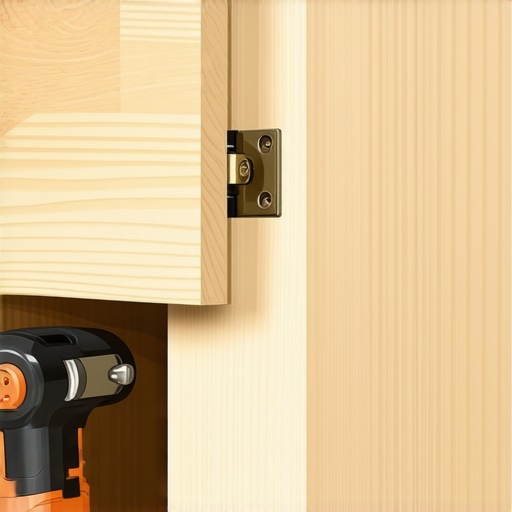
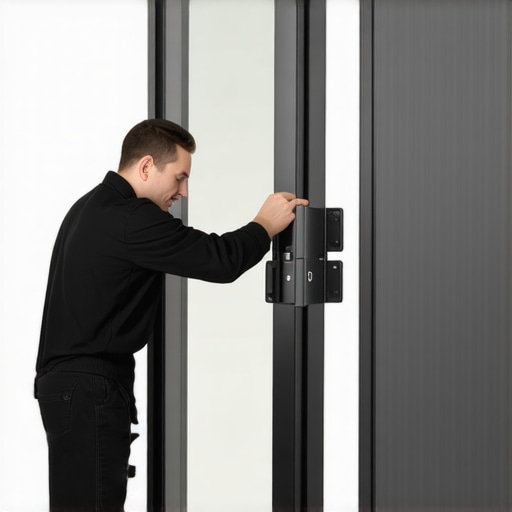
For those of you doing a serious custom cabinets as a game changer in your kitchen remodel journey, integrated hinges are the only way to go. These have the hydraulic mechanism built directly into the metal cup. I remember a project in Geist where the homeowner had these massive, beautiful custom cabinets ideas that transform your homes style, but every time she closed a door, the glass inside her display cases rattled like a tambourine. We spent an afternoon swapping out her old snap hinges for European soft-close models. Once installed, you need to master the 5-minute hinge adjustment for fixing wonky cabinet reveals because the new hardware might sit slightly differently than the old ones. The result was a kitchen that felt ten times more expensive just because it operated in total silence.
Clear the grit from your drawer slides
Noise doesn’t just come from the impact; sometimes it is the journey. If your drawers sound like they are rolling over gravel, no amount of soft-close technology will help. I’ve seen beautiful built-ins and storage hacks for a sleek functional kitchen ruined by a single spilled bag of sugar that found its way into the ball bearings. You need to know why your drawer slides are grinding and how to clear the ball bearings before you consider replacing them. Usually, a quick blast of compressed air and a specialized silicone lubricant will do the trick. If that doesn’t work, it is time to look into innovative storage solutions for modern kitchen remodels that utilize undermount slides which protect the hardware from debris.
Master the final alignment for total silence
Even the best hardware fails if the door isn’t hung straight. A door that is slightly tilted will hit the frame at an angle, creating a clack instead of a shhh. This is why learning how to adjust European hinges for a perfectly level door reveal is a non-negotiable skill for any DIYer. I once spent two hours on a single pantry door that just wouldn’t quiet down. It turned out the top hinge was pulling too hard to the left, causing the bottom corner of the door to strike the frame first. A half-turn on the adjustment screw solved the physics problem and the noise problem simultaneously. If you are struggling with deeper issues, like why your soft-close slides grind and the quick lubrication fix, remember that maintenance is just as important as the initial installation.
Soft-close hardware isn’t a one-size-fits-all fix
Everyone tells you that soft-close hardware is the ‘gold standard’ for luxury, but if you install it blindly on every cabinet, you are actually setting yourself up for mechanical failure. In my experience, the biggest myth in the industry is that ‘more resistance equals more quality.’ I’ve seen homeowners insist on heavy-duty dampers for small, light spice doors, only to find that the door never actually closes all the way because the piston is too strong for the door’s weight. If you are looking for transform your kitchen with custom cabinets expert guide for 2025, you need to match the ‘force’ of the hinge to the mass of the door. Otherwise, you’re fighting your own kitchen every time you try to put a plate away.
Avoid the ‘ghost opening’ trap on light doors
The ‘oops’ factor I see most often is the ‘ghost opening.’ This happens when a high-tension soft-close hinge is installed on a lightweight door. The hydraulic pressure is so high that it actually pushes the door back open a half-inch after it ‘closes.’ It drives people crazy. This is particularly common when people try to get fancy with why narrow spice pull-outs are often harder to use than you think. These narrow doors don’t have the leverage to fully compress the piston. Have you ever fallen into this trap? Let me know in the comments—I’ve had to swap out dozens of ‘premium’ hinges for standard ones just to keep a pantry door shut.
#IMAGE_PLACE_HOLDER_C#
Why does your high-end hardware feel ‘spongy’ after six months?
The nuance that most DIYers and even some pros miss is the relationship between the hardware and the box itself. The Architectural Woodwork Institute (AWI) notes that Grade 1 hardware is tested for over 50,000 cycles, but those ratings assume a perfectly rigid cabinet box. If your cabinet is slightly out of square or made of thin material, the hardware flexes. This flex causes the hydraulic fluid in the soft-close mechanism to heat up and leak over time. This is why your cabinet boxes should be stapled glued and screwed; if the box moves even a fraction of a millimeter, the hardware has to work twice as hard to catch the door. For heavy storage, like the best way to organize heavy dutch ovens in a deep drawer, that tiny bit of box-flex will kill your expensive slides in a single holiday season.
Build quality dictates how long your silence lasts
Finally, we have to talk about weight distribution. A common mistake is using side-mount soft-close slides for heavy waste bins. I always tell my clients why your trash pull-out needs a bottom-mount slide for better weight handling. Side-mounts eventually sag under the weight of a full trash bag, causing the soft-close tab to miss its catch entirely. You end up with a drawer that slams anyway, despite the ‘pro’ hardware. True silence isn’t just about the piston; it’s about the geometry of the support. When you’re planning innovative storage solutions for modern kitchen remodels, always look at how the weight is transferred to the floor. If the hardware is doing all the heavy lifting without support from the cabinet’s structure, the silence will be very short-lived. Have you ever noticed your drawers getting louder over time? That’s the sound of hardware losing the battle against gravity.
Maintaining that initial silence requires more than just a good installation; it requires the right mindset toward long-term care. I always tell my clients that a kitchen is a living machine, and like any machine, it needs a tune-up once the house settles. If you want your modern kitchen remodels featuring custom cabinets and built-ins to stay as quiet as the day they were installed, you need to look beyond the wood and into the hardware’s internal mechanics.
The tools I trust for a rattle-free kitchen
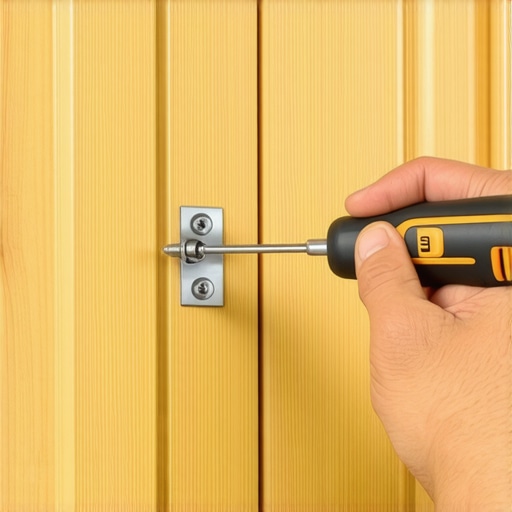
I have a very specific ‘go-bag’ for cabinet maintenance. First and foremost, throw away your standard Phillips head screwdriver when it comes to your hinges. Most high-end European hardware uses PoziDriv screws. They look similar, but a Phillips will slip and strip the head, making future adjustments impossible. I personally use a #2 PoziDriv for every hinge tweak. Additionally, I always keep a specialized cabinet jig on hand; it is the one tool you need for perfectly aligned cabinet knobs every time. If a knob is even a fraction off-center, the torque you apply when pulling the door can eventually loosen the hinge plates, leading to that dreaded ‘clack’ sound when the door closes. 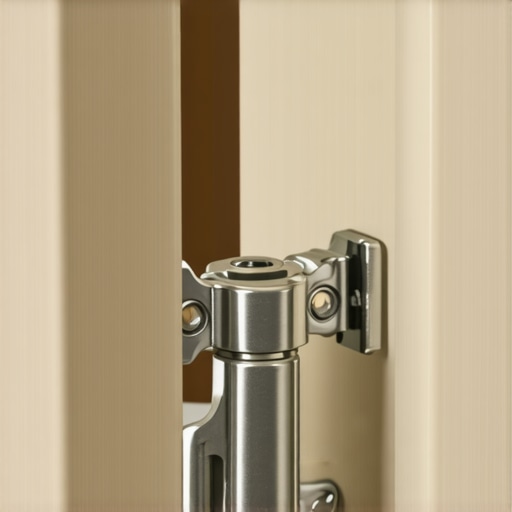
How do I maintain my soft-close hardware over the years?
The secret is ‘The Annual Wipe.’ Most people wait until a drawer starts grinding to act, but by then, the ball bearings are already pitted. Once a year, I recommend pulling your drawers out and wiping the metal runners with a microfiber cloth. Avoid WD-40 at all costs; it’s a degreaser, not a long-term lubricant for high-cycle hardware. Instead, use a dry PTFE (Teflon) spray. This won’t attract dust or pet hair, which is the number one killer of innovative storage solutions for modern kitchen remodels. While you are in there, check the mounting points. I’ve seen countless failures because of short, flimsy screws. This is why your base cabinets should be secured with 3-inch rugged screws into the studs; a solid foundation prevents the micro-vibrations that cause hardware to rattle loose over time.
The coming wave of touchless cabinet tech
As we look toward the future, I predict we are moving away from purely mechanical dampening toward electronic integration. We are already seeing this with high-end transform your kitchen with custom cabinets expert guide for 2025. Companies like Blum are perfecting servo-drive systems where a light touch opens the door, and a sensor-controlled motor closes it with absolute, silent precision every single time. According to the Blum Technical Manual for the MERIVOBOX system, these electronic assists are designed to handle up to 40kg of weight without ever losing their timing, which solves the ‘heavy drawer’ slam once and for all. It might sound like overkill now, but ten years ago, soft-close was considered a luxury—now, it’s the baseline.
If you’re feeling the frustration of a noisy kitchen today, don’t wait for a full renovation to start making changes. I strongly encourage you to try the 5-minute hinge adjustment for fixing wonky cabinet reveals this weekend. It’s the easiest way to feel an immediate difference in how your home operates. If you find that your hardware is too far gone or you’re ready to scale up your storage to something truly professional, feel free to contact us to discuss how we can bring total silence to your next project.
The Hardest Lesson I Learned About Selecting Hardware for Silence
One thing I’ve realized after years in the woodshop is that not all noise is created equal. I used to think that throwing the most expensive soft-close hinge at a problem would fix it, but I was wrong. The hardest lesson I learned is that the structure of the cabinet is just as important as the mechanism itself. If your cabinet boxes aren’t perfectly square, even the highest-grade hardware will eventually squeak or fail. I’ve seen stunning innovative storage solutions for modern kitchen remodels ruined by a lack of internal support.
Another lightbulb moment for me was realizing that “soft-close” doesn’t always mean “good close.” On very small doors, a powerful piston is actually your enemy. It creates a vacuum effect where the door bounces back. Sometimes, a simple, high-quality standard hinge with a well-placed felt bumper is actually more “luxurious” than a high-tech hydraulic that fights the user. Focus on the feel of the movement, not just the brand name on the hinge cup.
My Essential Toolkit for a Rattle-Free Kitchen
If you want to handle these adjustments yourself, there are a few items I swear by. First, the PoziDriv #2 screwdriver is non-negotiable; using a standard Phillips will eventually strip your adjustment screws and leave you with a door that never sits straight. Second, I always keep a bottle of dry PTFE spray in my kit. It’s the only lubricant I’ve found that doesn’t turn into a sticky mess when kitchen grease and dust mix. Finally, for those doing a full overhaul, I rely on the one tool you need for perfectly aligned cabinet knobs every time to ensure that the leverage you apply to the door is even and balanced.
Take the First Step Toward Your Peaceful Morning
You don’t need a massive budget or a week-long demo to transform how your kitchen sounds. Silence is a series of small wins. Start with the 5-minute hinge adjustment for fixing wonky cabinet reveals and see how much lighter your morning routine feels when the “slam” is gone. When you are ready to move beyond simple fixes and want to design a space with truly innovative storage solutions for modern kitchen remodels, know that we are here to help. A quiet home is a calm home, and you deserve a kitchen that works with you, not against you.
Have you ever had a cabinet door that just refused to stay shut or quiet down no matter what you tried? Let me know in the comments below!